Ravi K. Chandran
Ravi K. Chandran is an Indian cinematographer, best known for Tamil cinema. Ravi K. Chandran began their career in 1994. With over 60 credits to their name and an average audience rating of 6.1, Ravi K. Chandran remains one of the most prolific and celebrated talents in the industry. Spanning 30+ years, Ravi K. Chandran's career remains one of the longest and most celebrated in Tamil cinema.
Career Milestones
Film debut
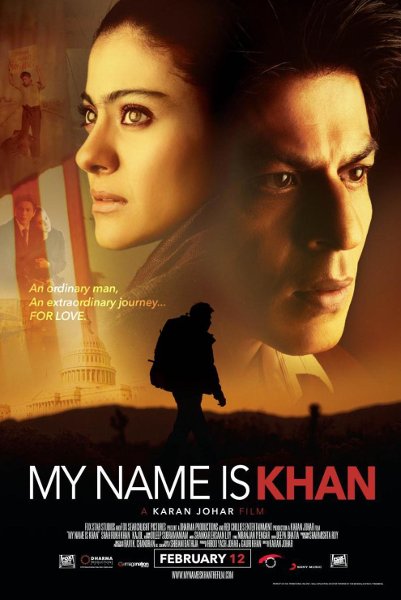
View film →Highest rated: My Name Is Khan (8.2)
View film →Ravi K. Chandran by the Numbers
If you watched every Ravi K. Chandran film back-to-back, you'd be at it for roughly 3 days and 12h. Most-paired with Pradeep Rawat — 3 films together.
Filmography
See all 60 credits →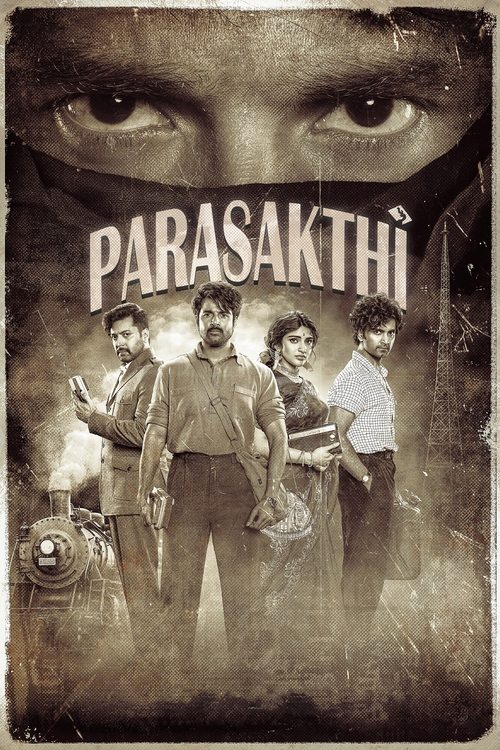
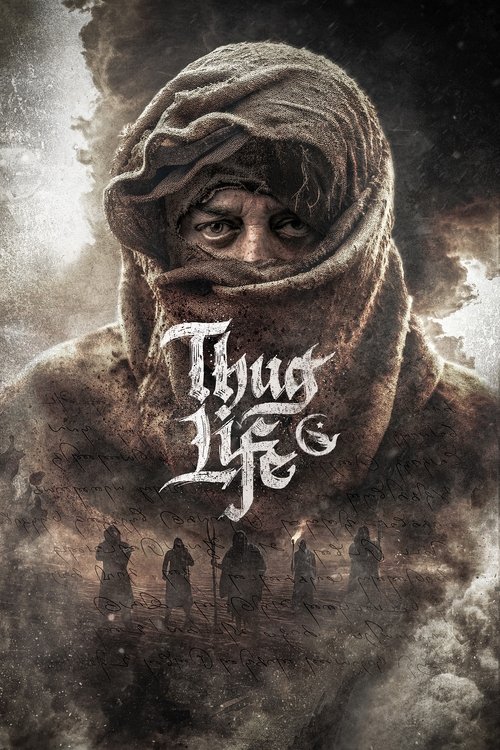

Collaboration Network
The Constellation
Top 10 most-paired collaborators. Bubble size and line thickness reflect how many films they share with Ravi K. Chandran.
Career Analytics
Genre Breakdown
Language Distribution
Films by Decade
Top Co-Actors
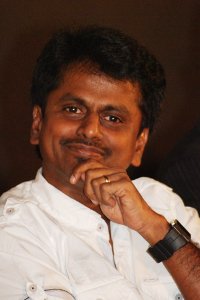
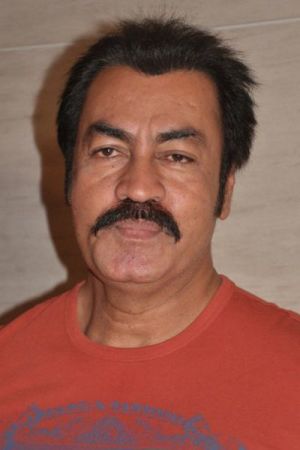
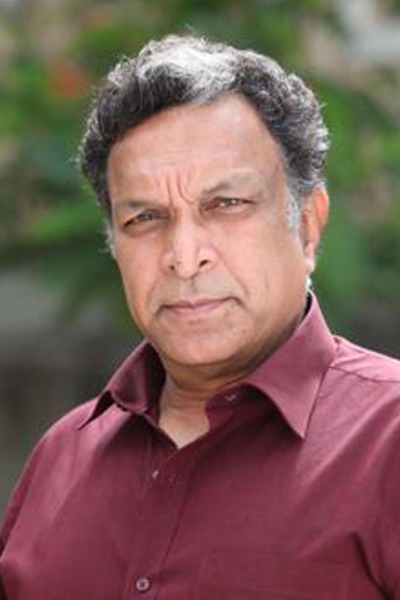
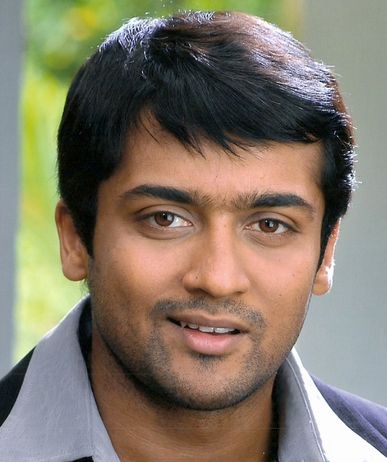
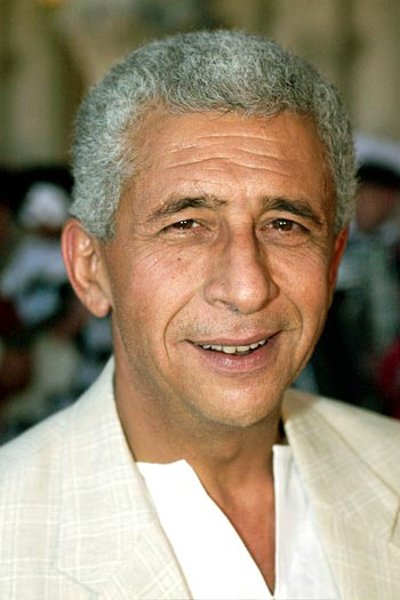
See all →Ravi K. Chandran has worked most frequently with A. R. Murugadoss (2 films), Pradeep Rawat (3 films), Kajol (3 films), Nassar (2 films), and Suriya (2 films).




Legacy & Influence
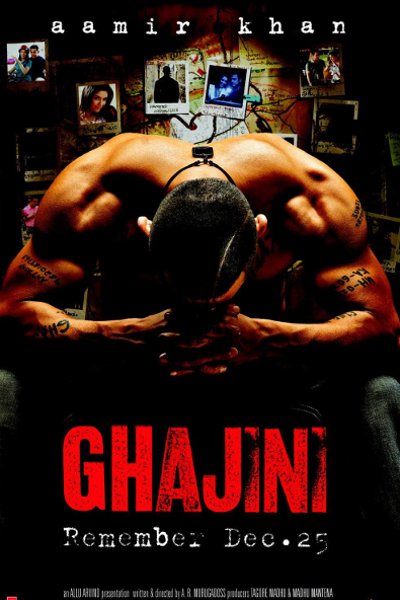
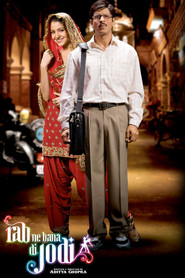
Ravi K. Chandran is a highly acclaimed cinematographer whose work has profoundly shaped the visual language of modern Indian cinema. His career trajectory began in Malayalam cinema, where his early collaborations with director Fazil on films like 'Ente Sooryaputhrikku' (1991) established his reputation for crafting evocative imagery. His breakthrough in Hindi cinema came with the stylistically bold 'Taal' (1999), directed by Subhash Ghai, which showcased his mastery of lighting and composition, setting a new benchmark for musical sequences. Chandran's most significant contribution is arguably his long-standing creative partnership with director Mani Ratnam. Their collaborations, including 'Dil Se..' (1998), 'Kannathil Muthamittal' (2002), 'Guru' (2007), and 'Raavanan' (2010), are celebrated for their atmospheric depth, innovative camera movement, and the seamless integration of visuals with narrative emotion. In 'Dil Se..', his cinematography for the iconic 'Chaiyya Chaiyya' song sequence on a moving train remains a landmark in Indian film history. He brought a distinct, gritty realism to the urban drama 'Yuva' (2004) and a lush, epic scale to 'Rab Ne Bana Di Jodi' (2008). His work extends beyond these pillars, with notable contributions to films like 'Black' (2005), where his lighting played a crucial role in depicting the protagonist's world, and the visually stunning 'Ghajini' (2008). Chandran's influence is evident in how he elevated the role of the cinematographer to that of a key storytelling collaborator in mainstream Indian cinema. He successfully blended artistic sensibility with commercial appeal, introducing sophisticated lighting techniques and a more international visual aesthetic that inspired a generation of cinematographers. His ability to adapt his style to diverse genres—from intense political dramas to vibrant romantic musicals—demonstrates exceptional versatility and has left an indelible mark on the industry's technical and artistic standards.