
Mohamaad Ghibran
Mohamaad Ghibran is an Indian original music composer, best known for Tamil cinema. Mohamaad Ghibran began their career in 2011 and has been a prominent figure in the industry for over 15 years. With over 60 credits to their name and an average audience rating of 6.5, Mohamaad Ghibran remains one of the most prolific and celebrated talents in the industry.
- Born
- Age
- 45
Biography
Mohamaad Ghibran , often credited as M. Ghibran, is an Indian film music composer. For more than a decade, he worked as an ad-film composer and composed for over 800 television commercial jingles in different languages before turning into a film music composer in the Indian film industry. He has completed Grade 8 in both Piano and Music theory through Trinity College London and also obtained his degree in Classical compositions and film scoring under Australian Composer Lindsay Vickery at the LASALLE College of the Arts, Singapore. Ghibran shuttles between Chennai, Mumbai and Singapore for all his recording works and owns a studio at Chennai.
Career Milestones
Defining Moments
Film Debut
Made his debut as a film composer with the Tamil period drama 'Vaagai Sooda Vaa'.
Critical Breakthrough
Received widespread acclaim for his background score in Karthik Subbaraj's 'Jigarthanda', establishing his reputation for innovative sound design.
Award Recognition
Won the Filmfare Award for Best Music Director – Tamil for his work on the film 'Iraivi'.
Mohamaad Ghibran by the Numbers
If you watched every Mohamaad Ghibran film back-to-back, you'd be at it for roughly 5 days and 17h. Most-paired with M. S. Bhaskar — 4 films together.
Filmography
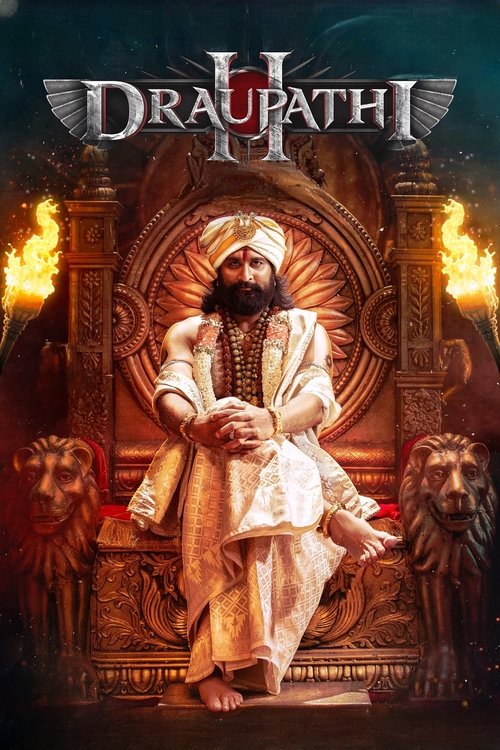
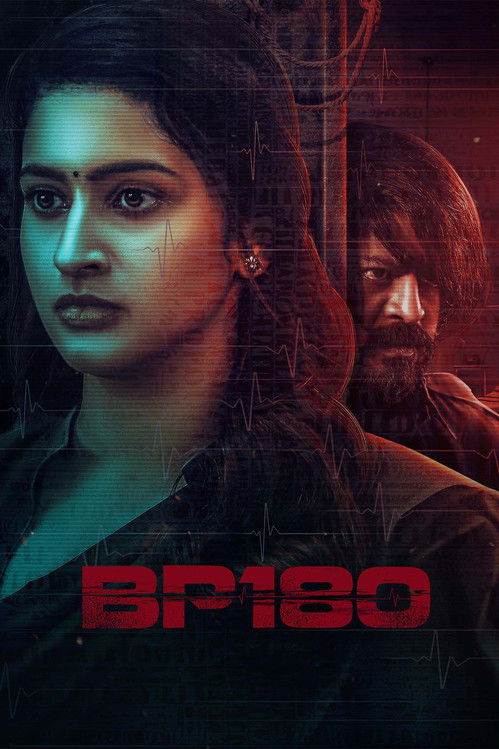
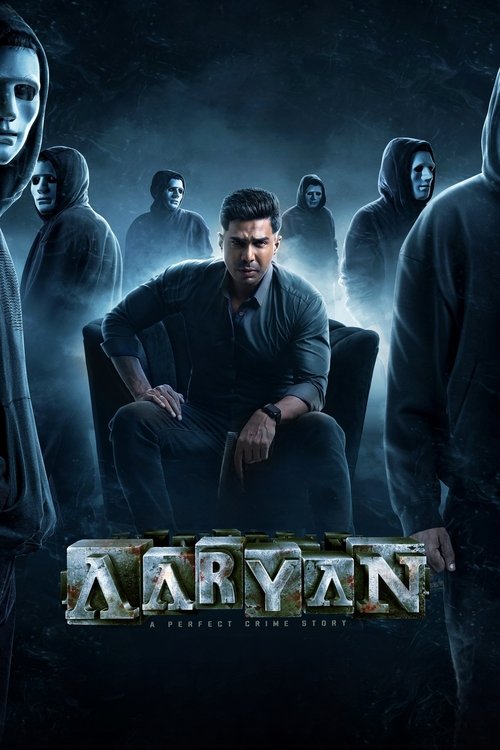
See all 60 credits →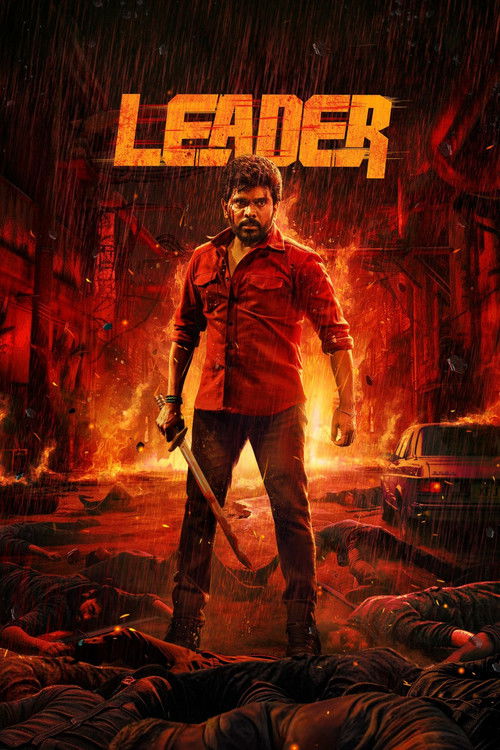







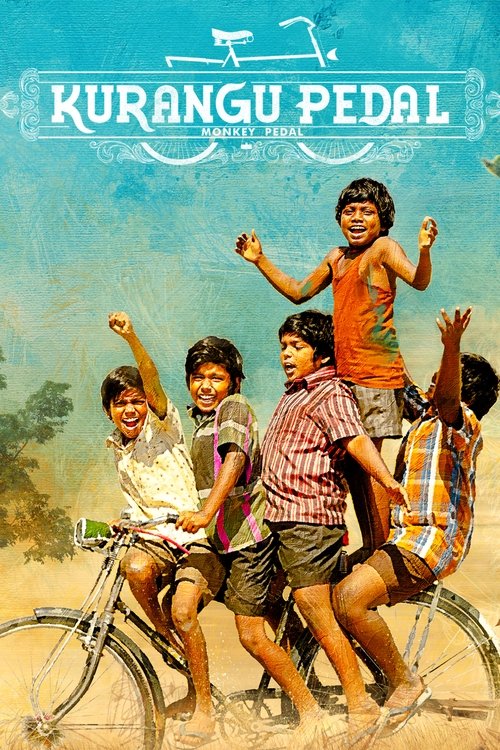
Collaboration Network
The Constellation
Top 10 most-paired collaborators. Bubble size and line thickness reflect how many films they share with Mohamaad Ghibran.
Career Analytics
Genre Breakdown
Language Distribution
Films by Decade
Top Co-Actors
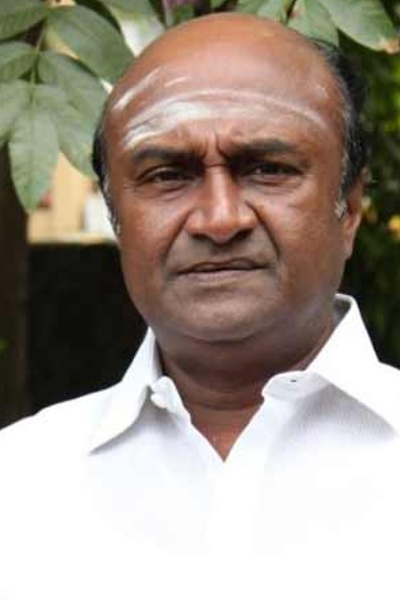
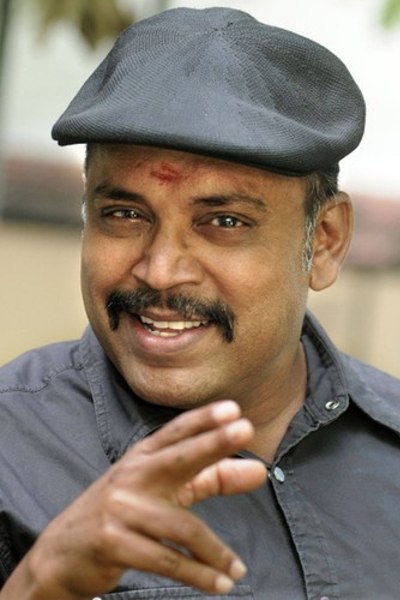
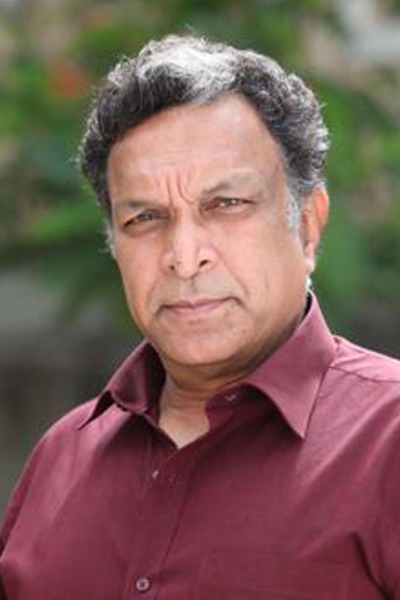
See all →Mohamaad Ghibran has worked most frequently with A. Sarkunam (2 films), H. Vinoth (2 films), M. S. Bhaskar (4 films), Thambi Ramaiah (3 films), and Nassar (3 films).





Did You Know?
Mohamaad Ghibran is known for his innovative use of electronic music and unconventional sound design in Tamil cinema.
He composed the background score for the 2014 Tamil film 'Jigarthanda', which was critically acclaimed for its unique soundscape.
Ghibran won the Filmfare Award for Best Music Director – Tamil for the 2016 film 'Iraivi'.
He is the son of veteran Tamil film music composer Gangai Amaran.
Before entering films, he composed over 800 television commercial jingles in various languages.
Legacy & Influence
Mohamaad Ghibran's contribution to Indian cinema, particularly in the Tamil and Telugu film industries, is defined by his bold sonic experimentation and his role in modernizing South Indian film scores. His journey from composing over 800 television commercial jingles to becoming a film composer equipped him with a unique, genre-fluid sensibility and a keen understanding of catchy, impactful motifs. This background is evident in his film work, which often blends traditional Indian instrumentation with electronic, orchestral, and avant-garde soundscapes. Ghibran is widely recognized for pushing the boundaries of background scoring, moving beyond conventional melodic themes to create immersive, atmospheric, and sometimes unsettling sonic environments that drive narrative tension. His scores for films like 'Mundasupatti', 'Iraivi', and 'Vikram Vedha' demonstrate this mastery, where music becomes an integral character rather than mere accompaniment. In 'Mundasupatti', he employed folk elements with a quirky, contemporary twist, while in 'Iraivi', his somber, jazz-inflected score amplified the film's gritty drama. His work on 'Vikram Vedha' was particularly influential, with its pulsating, minimalist themes and the iconic 'Vikram Vedha Theme' becoming synonymous with the film's cat-and-mouse thriller narrative. This approach has inspired a new generation of composers to view background score as a primary narrative tool. Furthermore, Ghibran's willingness to take creative risks on projects with distinctive directorial visions has made him a sought-after collaborator for filmmakers aiming for a specific, audacious tonal palette. His career trajectory illustrates a successful transition from advertising's demand for immediate audience connection to cinema's need for deeper, more complex auditory storytelling. By consistently prioritizing innovative sound design and thematic cohesion, Ghibran has carved a distinct niche, elevating the artistic weight and contemporary relevance of film music in Indian cinema.