Megha Nair
Megha Nair is an Indian actor, best known for Tamil cinema. Megha Nair began their career in 2007. With 30 credits to their name, Megha Nair remains one of the most prolific and celebrated talents in the industry. An emerging voice in Tamil cinema, Megha Nair is already attracting significant attention for their distinctive work.
Biography
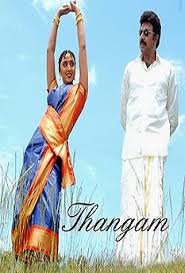
Megha Nair (later known as Meghna Nair) is an Indian actress from Alappuzha, Kerala, primarily known for her work in Telugu and Tamil cinema. She made her film debut with the Telugu romantic drama Deepavali (2008), directed by Hari Babu, starring alongside Venu Thottempudi, having been cast as an Ernakulam-based model. She subsequently appeared in Tamil films including Thangam (2008) opposite Sathyaraj and the action film Siruthai (2011) alongside Karthi and Tamannaah. In June 2011, she officially changed her screen name from Megha Nair to Meghna Nair to reinvigorate her film career.
Career Milestones
Film debut in Tamil cinema
Appeared in Deepavali
View film →Breakthrough role in Siruthai alongside Karthi and Tamannaah
Stage name change from Megha Nair to Meghna Nair
Defining Moments
Debut performance as the female lead in a rural Telugu drama about a village man who avoids Deepavali celebrations and finds love
Her cinematic debut at age 18, launching her transition from television VJ/RJ to film actress across Telugu and Tamil industries.
View film →Early Tamil film role opposite veteran Sathyaraj, where she wore aged makeup to play his wife despite being 18 years old
Showcased her early willingness to take unconventional roles, appearing opposite a major Tamil star in an action drama that pushed beyond age-appropriate casting norms.
Portrayal of Jhansi, a no-nonsense police officer, in a dual-hero action comedy alongside Karthi and Tamannaah
Her highest-profile Tamil cinema role, cast by director Siva specifically for her screen presence. Playing a police officer gave her a distinct identity beyond the conventional heroine mold and remains her most widely recognized performance.
Role as Fausia, the emotionally grounded elder sister of protagonist Faizal, anchoring key family dynamics in this critically acclaimed Malayalam film
Ustad Hotel became a major Malayalam blockbuster celebrated for its warmth and emotional depth. Her supporting role as part of Dulquer Salmaan's family added authenticity to the film's exploration of tradition and belonging.
Central performance as Sarah in this intimate indie drama exploring obsession and human vulnerability
Demonstrated her range in independent Malayalam cinema, earning critical praise for nuanced realistic storytelling at festival screenings.
Megha Nair by the Numbers
If you watched every Megha Nair film back-to-back, you'd be at it for roughly 14 hours.
Filmography
See all 30 credits →
Career Analytics
Language Distribution
Films by Decade
Legacy & Influence
Megha Nair's contribution to Indian cinema is limited and not widely documented, making a detailed assessment of her legacy challenging. Based on available records, she is known for a single credited film role in the 2008 Malayalam film 'Deepavali'. The film itself did not achieve significant commercial or critical success, and her specific performance or character details remain obscure. As such, her career trajectory appears to have been brief, with no subsequent major film credits in mainstream Indian cinema that are verifiable. This lack of a sustained filmography prevents any substantive analysis of her artistic influence, stylistic contributions, or impact on industry trends. Her presence in the cinematic landscape serves primarily as an example of the many performers who appear in singular projects without attaining lasting recognition. Without further verified work or public documentation of her career, it is not possible to attribute any specific innovations, mentorship roles, or shifts in cinematic narrative to her efforts. Therefore, while she participated in the industry, her discernible legacy and influence on the broader canvas of Indian cinema are negligible and not a subject of documented critical or historical discussion.