Srinivas
Srinivas is an Indian actor, best known for Tamil cinema. Srinivas began their career in 2009. With 30 credits to their name, Srinivas remains one of the most prolific and celebrated talents in the industry. Srinivas is one of the most closely watched talents of their generation, with a rapidly growing body of acclaimed work.
Biography
Mangam Srinivas (known as Sri) is a Telugu and Tamil cinema actor from Vijayawada, Andhra Pradesh, primarily active in Tollywood. He made his acting debut in the Telugu romantic comedy Ee Rojullo (2012), directed by Maruthi, and also appeared in the Tamil film Karungali (2011) and the Telugu sequel Aravind 2 (2013). His filmography spans across both Telugu and Tamil industries, with roles in films such as Galata (2014), Sahasam Seyyara Dimbaka (2015), and Ramarao On Duty. An MBA graduate from Acharya Nagarjuna University, Srinivas transitioned into acting and has accumulated over a decade of work across supporting and lead roles in South Indian cinema.
Career Milestones
Film debut
View film →Highest rated: Ee Rojullo (6.6)
View film →Srinivas by the Numbers
If you watched every Srinivas film back-to-back, you'd be at it for roughly 18 hours.
Filmography
See all 30 credits →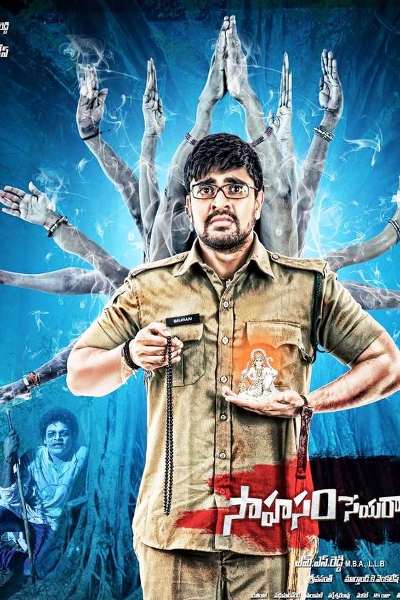


Career Analytics
Language Distribution
Films by Decade
Legacy & Influence
Srinivas is a Telugu film actor recognized for his work in the early 2010s, a period marked by the rise of small-budget, youthful romantic comedies and dramas in Telugu cinema. His career trajectory began with supporting roles in films like 'Karungali' (2011) and 'Ee Rojullo' (2012). 'Ee Rojullo', in particular, became a notable sleeper hit, resonating with young audiences for its fresh, college-life narrative and relatable characters. While his specific role in that film is not widely documented, his association with the project places him within a wave of films that successfully captured the aspirations and vernacular of a new generation of moviegoers, contributing to a shift in content that prioritized contemporary, grounded storytelling over larger-than-life formulas. His most prominent credited role came in 'Aravind 2' (2013), where he played the character Avasarala. This film, a sequel to the 2007 movie 'Aravind', aimed to tap into the thriller genre. Although these films did not achieve major commercial or critical acclaim, Srinivas's filmography represents the broader ecosystem of Telugu cinema during that era, where numerous actors and technicians collaborated on experimental and niche projects. These films often served as platforms for new talent both in front of and behind the camera, helping to incubate creative ideas that would later influence mainstream productions. His contribution lies in his participation in this specific, formative phase of modern Telugu cinema, which expanded the range of narratives being produced and demonstrated the viability of content-driven films targeting a demographic that was increasingly consuming diverse media.