Aravind
Aravind is an Indian actor, best known for Tamil cinema. Aravind began their career in 1991. With 30 credits to their name, Aravind remains one of the most prolific and celebrated talents in the industry. Spanning 30+ years, Aravind's career remains one of the longest and most celebrated in Tamil cinema.
Biography
Aravinnd Singh is a Tamil cinema cinematographer, producer, and occasional actor, best known for his work behind the camera on films like Demonte Colony (2015) and Natpe Thunai (2019). As an actor, he appeared in Adhu (2004) as a cynical character who eventually supports the lead, and played the character Anjan in the 'Puzhu' segment of the anthology film Bench Talkies (2015), directed by Charukesh Sekar. He studied visual communication at SRM University and pursued advanced filmmaking training at Whistling Woods International (Mumbai) and Griffith University (Brisbane, Australia). He has since expanded into production, serving as producer on D Block (2022).
Career Milestones
Film debut
View film →Highest rated: Rajali (6.5)
View film →Aravind by the Numbers
If you watched every Aravind film back-to-back, you'd be at it for roughly 18 hours.
Filmography
See all 30 credits →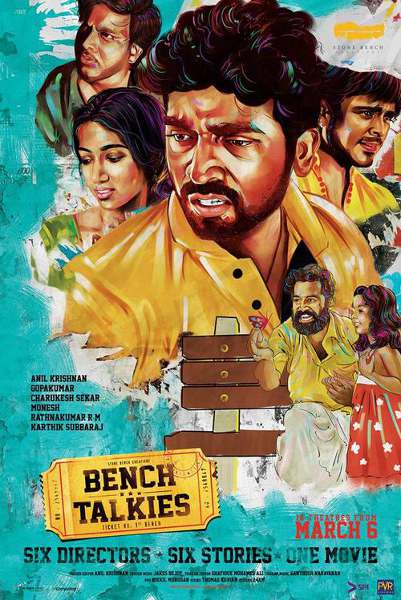
Career Analytics
Language Distribution
Films by Decade
Legacy & Influence
Aravind is a supporting actor in Indian cinema whose career is documented through a limited filmography, primarily in Tamil-language films. His known work includes the 2004 film 'Adhu' and the 2015 anthology 'Bench Talkies'. The sparse public record of his roles suggests a career focused on character parts within the broader ecosystem of regional filmmaking. Without a substantial public biography or a large body of leading work, his specific artistic contributions or influence on cinematic trends cannot be definitively detailed. His presence in projects like 'Bench Talkies', which was part of a wave of anthology films exploring contemporary urban stories, indicates participation in modern narrative formats. However, the absence of verified information regarding major awards, critical acclaim for specific performances, or a significant public persona limits a substantive analysis of his legacy. His career trajectory appears representative of many working actors who contribute to the industry's depth in supporting capacities without attaining widespread mainstream recognition. Therefore, while Aravind is part of the fabric of Indian cinema, his individual impact and contributions remain largely unrecorded in the public domain and cannot be elaborated upon with confidence.