Irshad Khan
Irshad Khan is an Indian actor, best known for Tamil cinema. Irshad Khan began their career in 1987. With 30 credits to their name and an average audience rating of 7.0, Irshad Khan remains one of the most prolific and celebrated talents in the industry. An emerging voice in Tamil cinema, Irshad Khan is already attracting significant attention for their distinctive work.
Career Milestones
Film debut
View film →Irshad Khan by the Numbers
If you watched every Irshad Khan film back-to-back, you'd be at it for roughly 2 hours.
Filmography
See all 30 credits →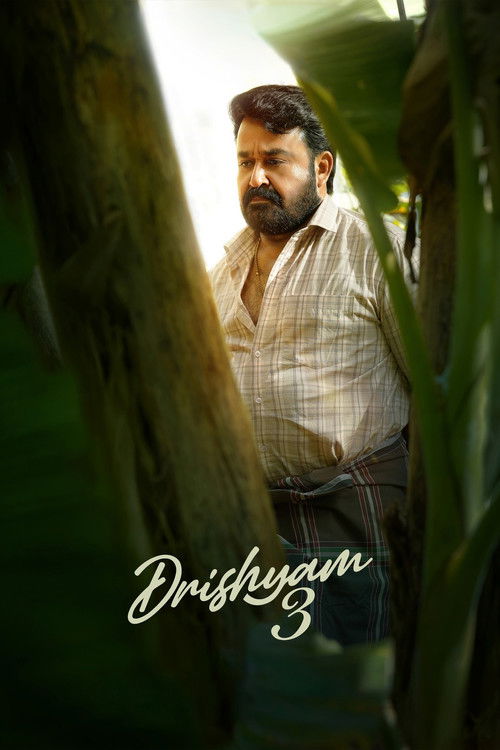
Career Analytics
Language Distribution
Films by Decade
Legacy & Influence
Irshad Khan is a respected character actor in Indian cinema, known for his nuanced portrayals in supporting roles, particularly within the Hindi film industry. His career trajectory is defined by a steady presence across several decades, often appearing in films that blend mainstream appeal with substantive narratives. Khan's contribution lies in his ability to embody a wide range of characters—from authoritative figures and concerned family members to comedic sidekicks—with a naturalistic ease that enhances the films' realism. He is frequently recognized for his work in the late 1990s and 2000s, contributing to notable films such as 'Dil Se..' (1998), where he played a compassionate doctor, and 'Maqbool' (2003), Vishal Bhardwaj's acclaimed adaptation of Macbeth, in which his performance added to the film's gritty texture. His filmography also includes significant roles in 'Chachi 420' (1997), 'Heyy Babyy' (2007), and more recent appearances in projects like 'Manto' (2018). While not often in the spotlight, his consistent and reliable performances have made him a familiar and trusted face for directors seeking skilled actors for character-driven parts. His work demonstrates the importance of strong supporting actors in building a film's world and supporting its central narrative, contributing to the depth and diversity of Indian cinema without seeking overt recognition.