Mithran Jawahar
Mithran Jawahar is an Indian director, best known for Tamil cinema. Mithran Jawahar began their career in 2008. With 30 credits to their name and an average audience rating of 6.6, Mithran Jawahar remains one of the most prolific and celebrated talents in the industry. Spanning 10+ years, Mithran Jawahar's career remains one of the longest and most celebrated in Tamil cinema.
Biography
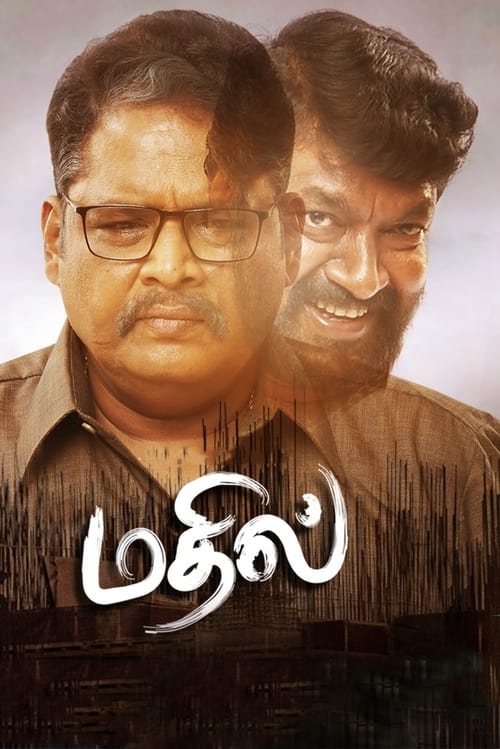
Mithran Jawahar is a Tamil film director best known for his recurring collaborations with actor Dhanush, having directed him in four films across his career. His debut film Yaaradi Nee Mohini (2008), starring Dhanush and Nayanthara, was a major commercial success that established him in the industry, followed by Kutty (2010) and Uthama Puthiran (2010). He is recognized for crafting commercially accessible romantic and family entertainers, with Thiruchitrambalam (2022) — a romantic comedy-drama produced by Sun Pictures — becoming one of the biggest hits of that year. He also directed Mathil (2021), a social drama for Zee5, and Ariyavan (2023), demonstrating range beyond the Dhanush collaborations that defined his early career.
Career Milestones
Directorial debut with Yaaradi Nee Mohini, a runaway commercial hit starring Dhanush and Nayanthara
View film →Directed Kutty, continuing successful collaboration with Dhanush
View film →Directed Uthama Puthiran, third collaboration with Dhanush
View film →Directed Thiruchitrambalam, a major commercial success grossing over ₹100 crore worldwide
View film →Directed Ariyavan, expanding his repertoire into action thriller genre
View film →Defining Moments
Father-son emotional climax in Yaaradi Nee Mohini — Raghuvaran as Dhanush's father delivering a performance blending comedy and genuine pathos in scenes that grounded the romantic narrative in family values
Mithran's debut film was remembered not just as a Dhanush-Nayanthara romance but for how it wove family sentiment into a mainstream love story — a signature that would define Mithran's directorial style across his career.
View film →Pazham (Nithya Menen) confronting Thiruchitrambalam (Dhanush) and breaking through his emotional silence — the scene where their lifelong friendship transitions into something deeper, anchored by Nithya Menen's nuanced performance
Widely cited as the emotional heart of the film; reviewers across Film Companion, Outlook India, and Tamil Guardian highlighted it as the scene that separates Thiruchitrambalam from a routine rom-com. Mithran's restrained direction lets the actors carry the weight, earning praise for his matured sensibility.
View film →Three-generation reconciliation scene between Thiruchitrambalam, his estranged cop father (Prakash Raj), and grandfather (Bharathiraja) — where the grandfather engineers a moment that thaws years of silence between father and son
Consistently called out as one of the film's standout set-pieces. The interplay between Bharathiraja, Prakash Raj, and Dhanush was praised by multiple critics as a masterclass in ensemble acting guided by Mithran's understated direction.
View film →Dhanush's proposal scene to Raashi Khanna — an emotionally charged, vulnerable moment that subverts typical Tamil cinema hero bravado by showing a hesitant, genuinely lovestruck protagonist
Singled out by several reviewers as Dhanush's finest scene in the film, and a defining example of Mithran's ability to direct intimate romantic moments without melodrama.
View film →The opening act establishing Thiruchitrambalam's dysfunctional yet warm household — set against Anirudh's music, with Mithran's soft-focus, colour-block night cinematography creating a distinct visual identity
Critics noted this as evidence of Mithran's technical growth as a filmmaker; the visual language he established for the film set the emotional register for everything that followed and became a reference point in Tamil mainstream cinema for slice-of-life aesthetics.
View film →Mithran Jawahar by the Numbers
If you watched every Mithran Jawahar film back-to-back, you'd be at it for roughly 16 hours. Most-paired with Dhanush — 4 films together.
Filmography
See all 30 credits →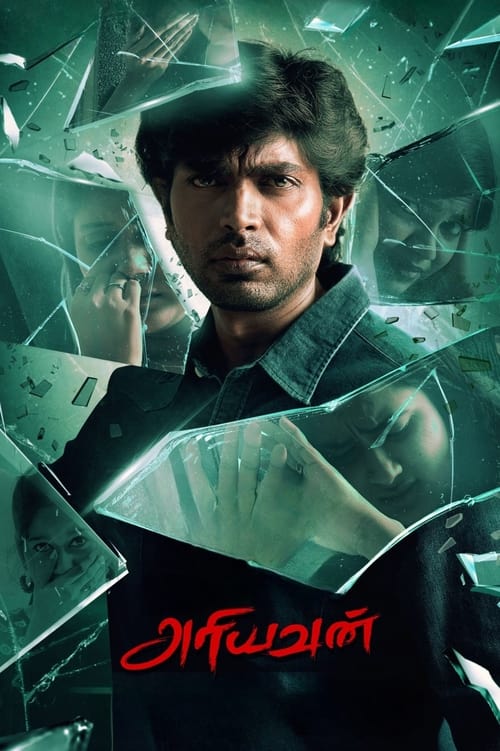




Collaboration Network
The Constellation
Top 6 most-paired collaborators. Bubble size and line thickness reflect how many films they share with Mithran Jawahar.
Career Analytics
Genre Breakdown
Language Distribution
Films by Decade
Top Co-Actors
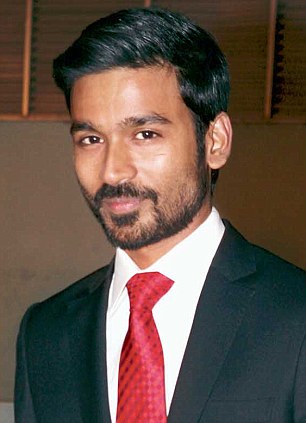
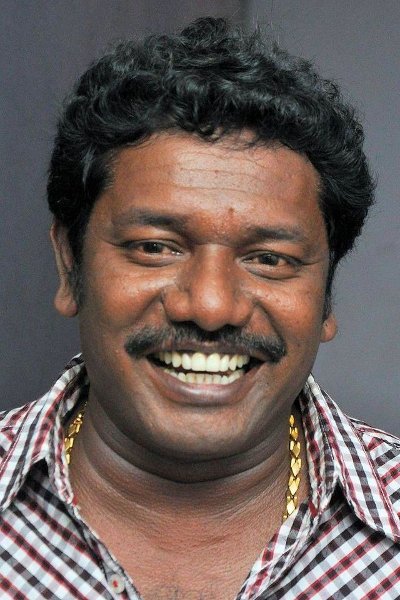
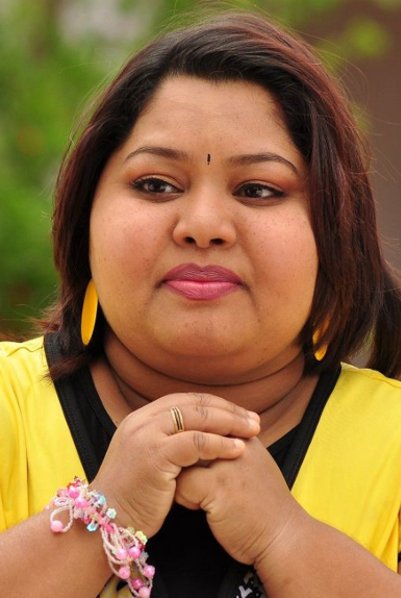
See all →Mithran Jawahar has worked most frequently with Dhanush (4 films), Nayantara (2 films), Karunas (2 films), Aarthi (2 films), and Sameer Dattani (2 films).



Legacy & Influence
Mithran Jawahar is a Tamil film director and screenwriter known for his work in the early 21st century, primarily directing romantic comedies and family dramas. His career trajectory began with assisting director S. Shankar, an experience that shaped his technical understanding of mainstream filmmaking. Jawahar made his directorial debut with the 2009 film 'Kutty', starring Dhanush and Shriya Saran. The film was a commercial success, establishing him as a director capable of delivering light-hearted, feel-good entertainers with strong emotional cores and family values. His subsequent films, including 'Boss Engira Bhaskaran' (2010) starring Arya and Nayanthara, and 'Muppozhudhum Un Karpanaigal' (2012) starring Udhayanidhi Stalin, consistently explored themes of love, familial bonds, and personal growth within a broadly accessible commercial framework. His contribution to Indian, and specifically Tamil, cinema lies in this niche of crafting polished, star-driven romantic narratives that resonated with a wide audience during his active years. While not necessarily a path-breaking auteur, his films are remembered for their warmth, clean presentation, and reliable entertainment value, representing a particular strand of mainstream Tamil cinema in the late 2000s and early 2010s. His filmography, though not extensive, demonstrates a consistent directorial voice focused on relatable characters and positive resolutions.