Santhosh Peter Jayakumar
Santhosh Peter Jayakumar is an Indian director, best known for Tamil cinema. Santhosh Peter Jayakumar began their career in 2015. With 30 credits to their name and an average audience rating of 6.0, Santhosh Peter Jayakumar remains one of the most prolific and celebrated talents in the industry. An emerging voice in Tamil cinema, Santhosh Peter Jayakumar is already attracting significant attention for their distinctive work.
Career Milestones
Film debut
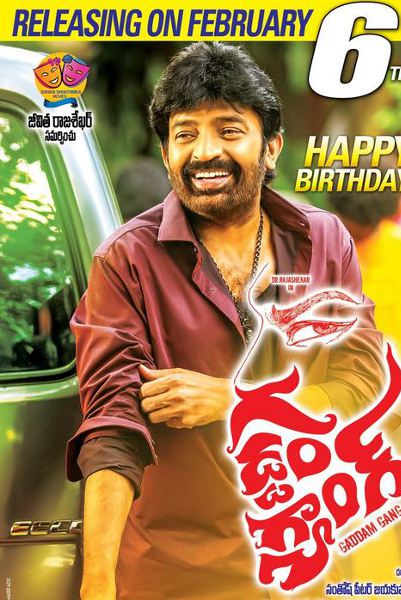
View film →Highest rated: Gaddam Gang (6.5)
View film →Santhosh Peter Jayakumar by the Numbers
If you watched every Santhosh Peter Jayakumar film back-to-back, you'd be at it for roughly 4 hours. Most-paired with Dr. Rajasekhar — 2 films together.
Filmography
See all 30 credits →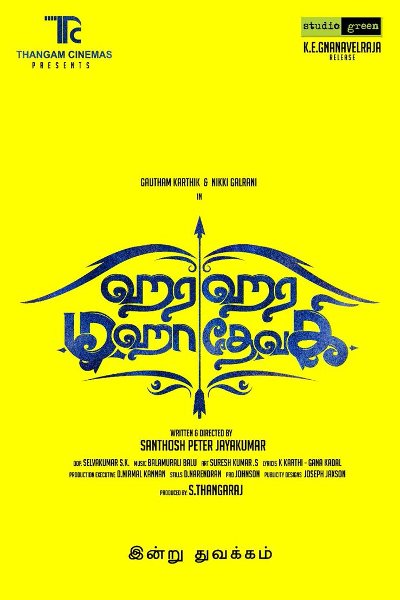
Collaboration Network
Career Analytics
Genre Breakdown
Language Distribution
Films by Decade
Top Co-Actors
See all →Santhosh Peter Jayakumar has worked most frequently with Dr. Rajasekhar (2 films).
Legacy & Influence
Santhosh Peter Jayakumar, known professionally as Santhosh, is a prominent cinematographer in contemporary South Indian cinema, particularly Tamil and Malayalam films. His career trajectory is defined by a sophisticated visual style that blends naturalistic lighting with a strong sense of mood and composition, significantly elevating the narrative impact of the films he works on. Emerging as a director of photography in the late 2000s, Santhosh gained major recognition through his collaborations with acclaimed director Lijo Jose Pellissery. Their partnership, beginning with films like 'Amen' (2013) and culminating in the critically lauded 'Jallikattu' (2019), has been instrumental in pushing the visual boundaries of Malayalam cinema. His work on 'Jallikattu'—a film celebrated for its primal energy and technical mastery—showcased his ability to create immersive, visceral, and chaotic imagery that became central to the film's storytelling. His cinematography is not merely decorative but deeply integrated with directorial vision, whether capturing the bleak, atmospheric landscapes in 'Jallikattu' or the intimate, character-driven spaces in other projects. Beyond Malayalam cinema, Santhosh has made notable contributions to Tamil cinema, working on major productions and bringing his distinct visual grammar to a wider audience. His technical expertise and artistic sensibility have influenced a generation of cinematographers, encouraging a move towards more textured, atmospheric, and psychologically resonant visual storytelling in Indian cinema. While avoiding overt stylization, his work demonstrates how cinematography can serve as a powerful narrative force, making him a respected and sought-after technician whose contributions are central to the modern aesthetic of Indian art-house and mainstream cinema.