Manoj Sharma
Manoj Sharma is an Indian director, best known for Tamil cinema. Manoj Sharma began their career in 2016. With 30 credits to their name and an average audience rating of 6.5, Manoj Sharma remains one of the most prolific and celebrated talents in the industry. Manoj Sharma is one of the most closely watched talents of their generation, with a rapidly growing body of acclaimed work.
Career Milestones
Film debut
View film →Highest rated: Life Mein Time Nahi Hai Kisi Ko (10.0)
View film →Manoj Sharma by the Numbers
If you watched every Manoj Sharma film back-to-back, you'd be at it for roughly 9 hours. Most-paired with Manoj Joshi — 2 films together.
Filmography
See all 30 credits →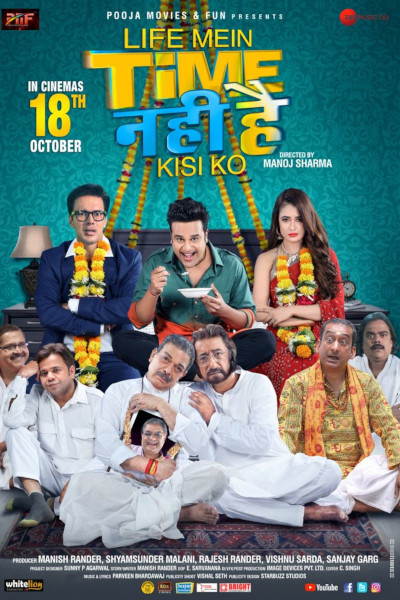
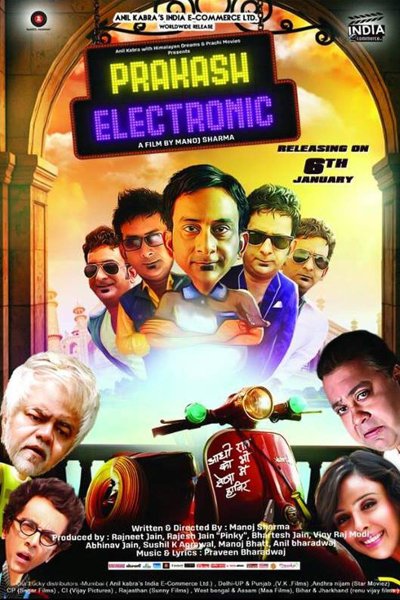
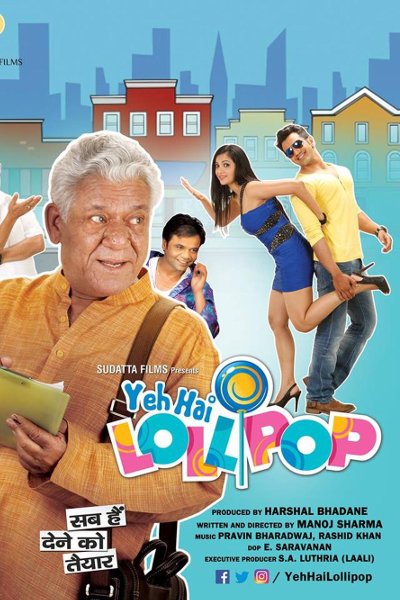
Collaboration Network
The Constellation
Top 3 most-paired collaborators. Bubble size and line thickness reflect how many films they share with Manoj Sharma.
Career Analytics
Language Distribution
Films by Decade
Top Co-Actors
See all →Manoj Sharma has worked most frequently with Manoj Joshi (2 films), Rajpal Yadav (2 films), and Himani Shivpuri (2 films).



Legacy & Influence
Manoj Sharma is recognized within the Indian film industry as a producer and director primarily associated with Hindi cinema. His career trajectory shows a focus on producing commercial films, often in the action and drama genres, during the late 1990s and 2000s. A notable contribution was his role in producing the 1998 film 'Soldier', directed by Abbas-Mustan and starring Bobby Deol. The film was a commercial success and is remembered for its stylish action sequences and memorable soundtrack, contributing to the popularization of a specific brand of high-octane, stylish action thrillers in that era. Sharma also directed the 2005 film 'Ek Khiladi Ek Haseena', further establishing his involvement in the action-entertainment space. His work represents a strand of mainstream Bollywood filmmaking that prioritized mass appeal, star-driven narratives, and technical polish in production values. While not necessarily associated with critical acclaim or avant-garde cinema, his productions contributed to the commercial ecosystem of the time, providing entertainment aimed at a wide audience. The longevity of certain songs and stylistic elements from films like 'Soldier' in popular culture underscores a specific, if niche, impact on the cinematic landscape of the period.