Gandhi Krishna
Gandhi Krishna is an Indian director, best known for Tamil cinema. Gandhi Krishna began their career in 2001. With 30 credits to their name and an average audience rating of 6.0, Gandhi Krishna remains one of the most prolific and celebrated talents in the industry. Spanning 20+ years, Gandhi Krishna's career remains one of the longest and most celebrated in Tamil cinema.
Biography
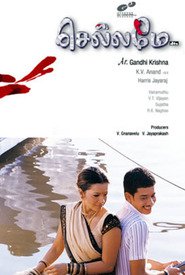
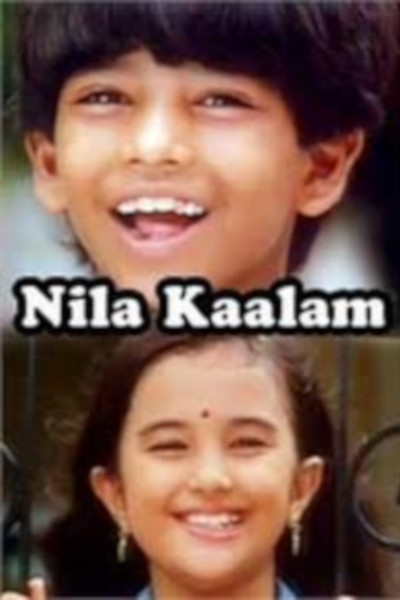
A.R. Gandhi Krishna is a Tamil film director from Ranga Samudram, Gudiyatham, Tamil Nadu, who began his career as an assistant director to S. Shankar on Indian (1996). His debut feature Nila Kaalam (2001), a coming-of-age television film based on Sujatha's novel, earned national recognition when child actor Udayaraj won the National Film Award for Best Child Artist. He gained commercial success with Chellamae (2004), a romantic thriller starring Vishal (in his acting debut), Reema Sen, and Bharath, which ran for 100+ days and sold 3 million tickets worldwide on a ₹3.5 crore budget. His third film, Ananda Tandavam (2009), starring Siddharth and Tamannaah Bhatia, underperformed at the box office despite heavy promotion.
Career Milestones
Feature film directorial debut
Directed Chellamae, a commercial success that launched Vishal's acting career
View film →Directed Ananda Thandavam, adaptation of Sujatha's novel Pirivom Santhippom
Gandhi Krishna by the Numbers
If you watched every Gandhi Krishna film back-to-back, you'd be at it for roughly 9 hours. Most-paired with G. V. Prakash Kumar — 2 films together.
Filmography
See all 30 credits →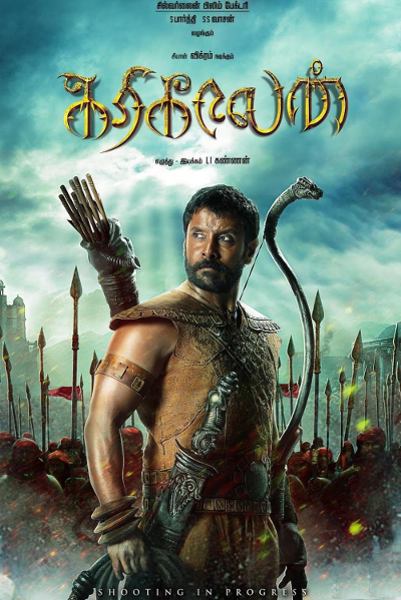

Collaboration Network
Career Analytics
Language Distribution
Films by Decade
Top Co-Actors
See all →Gandhi Krishna has worked most frequently with G. V. Prakash Kumar (2 films).

Legacy & Influence
Gandhi Krishna is a recognized figure in the Telugu film industry, primarily known for his work as a producer. His career trajectory is defined by a commitment to producing films that often blend commercial appeal with socially conscious themes, contributing to the diversification of Telugu cinema's narrative landscape. A significant phase of his career involved collaboration with director Tammareddy Bharadwaja, resulting in notable films like 'Maa Bhoomi' (1979), a landmark political drama that critically examined the Telangana peasant struggle and land rights issues. This film is considered a classic and exemplifies Gandhi Krishna's inclination toward projects with substantive socio-political commentary. His production ventures often provided a platform for strong storytelling that resonated with audiences beyond mere entertainment. While not a prolific producer with an extensive filmography, his selective choices have left a mark. He is also recognized for producing the film 'Maa Voori Pranam' (1987). His contributions lie in supporting films that addressed relevant societal issues during their time, thereby enriching the thematic depth of regional cinema. His role as a producer helped bring such narratives to the forefront, ensuring they reached a wide audience and sparked dialogue. The legacy of Gandhi Krishna is thus tied to the legacy of the specific impactful films he produced, which continue to be studied and appreciated for their historical and cinematic value within Indian cinema.