T Krishnasamy
T Krishnasamy is an Indian director, best known for Tamil cinema. T Krishnasamy began their career in 2017. With 30 credits to their name, T Krishnasamy remains one of the most prolific and celebrated talents in the industry. An emerging voice in Tamil cinema, T Krishnasamy is already attracting significant attention for their distinctive work.
Career Milestones
Film debut
View film →Highest rated: Kalavu Thozhirchalai (4.0)
View film →T Krishnasamy by the Numbers
If you watched every T Krishnasamy film back-to-back, you'd be at it for roughly 2 hours.
Filmography
See all 30 credits →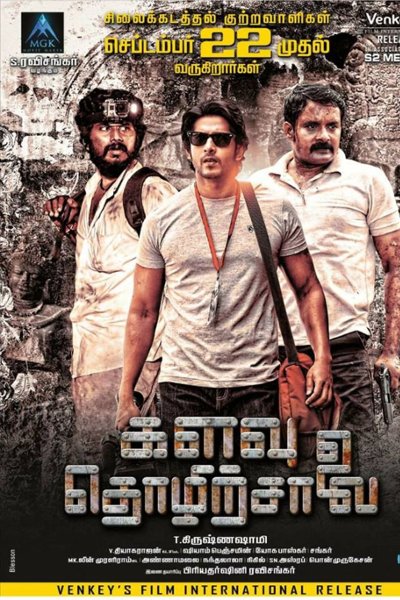
Career Analytics
Language Distribution
Films by Decade
Legacy & Influence
T. Krishnasamy is a significant figure in the history of Tamil cinema, primarily recognized as a pioneering film producer and studio owner during the early sound era. His most enduring contribution was the establishment of the renowned Central Studios in Coimbatore in 1935, which he founded in partnership with his brother, T. Govindasamy. This studio became a crucial production hub, instrumental in the development of the Tamil film industry outside of Chennai. Central Studios provided the infrastructure and facilities for numerous landmark films, fostering the careers of major directors, technicians, and stars of the 1930s and 1940s. Krishnasamy's role was fundamentally that of an industrial architect and benefactor; by creating a professional studio space, he elevated production standards and helped systematize filmmaking in the region. His studio was the site for early Tamil talkies and socially relevant films, contributing to the industry's growth during a formative period. While not a director or creative figure himself, his entrepreneurial vision in building physical infrastructure provided a stable foundation for artistic expression. The legacy of Central Studios cemented Krishnasamy's place as a key industrial pioneer whose business acumen and investment directly enabled the production of culturally important cinema, leaving a lasting impact on the commercial and professional landscape of South Indian filmmaking.