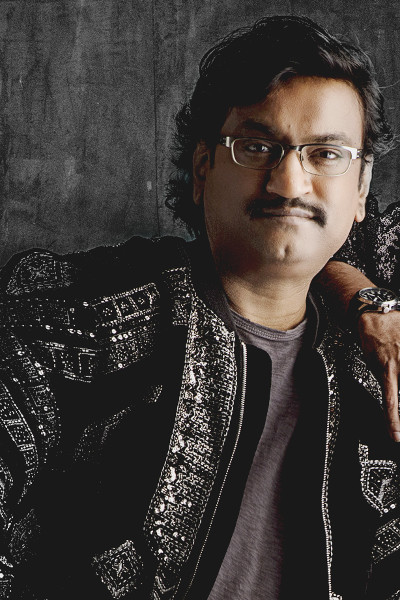
Ajay Gogavale
Ajay Gogavale is an Indian composer, best known for Tamil cinema. Ajay Gogavale began their career in 2018 and has been a prominent figure in the industry for over 8 years. With 30 credits to their name and an average audience rating of 6.4, Ajay Gogavale remains one of the most prolific and celebrated talents in the industry. Ajay Gogavale is one of the most closely watched talents of their generation, with a rapidly growing body of acclaimed work.
- Born
- Age
- 7
Career Milestones
Film debut
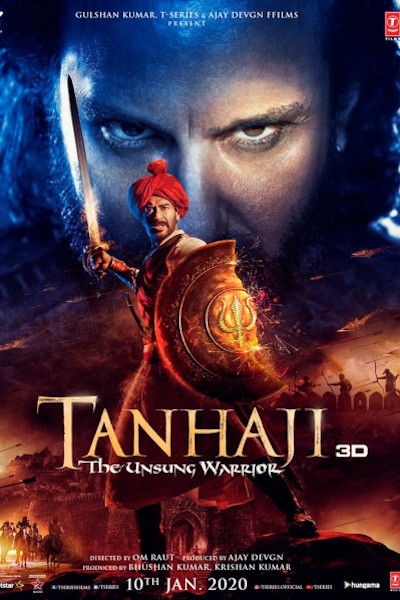
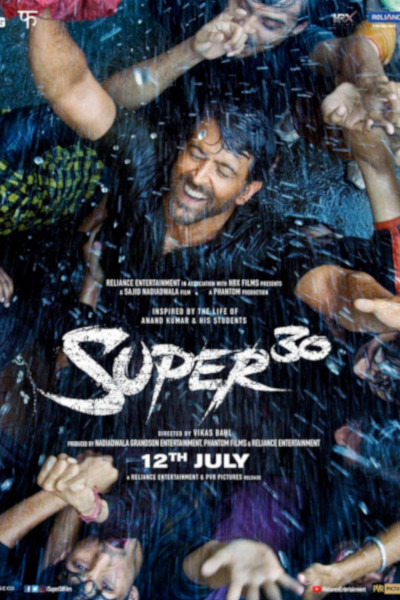
View film →Highest rated: Super 30 (7.6)
View film →Ajay Gogavale by the Numbers
If you watched every Ajay Gogavale film back-to-back, you'd be at it for roughly 16 hours. Most-paired with Kajol — 2 films together.
Filmography
See all 30 credits →


Collaboration Network
The Constellation
Top 2 most-paired collaborators. Bubble size and line thickness reflect how many films they share with Ajay Gogavale.
Career Analytics
Genre Breakdown
Language Distribution
Films by Decade
Top Co-Actors
See all →Ajay Gogavale has worked most frequently with Kajol (2 films), and Katrina Kaif (2 films).


Legacy & Influence
Ajay Gogavale is one half of the acclaimed Marathi and Hindi music composer duo Ajay-Atul, alongside his brother Atul Gogavale. Their contribution to Indian cinema, particularly over the last two decades, is monumental, having fundamentally reshaped the sonic landscape of Marathi cinema and made a significant impact on Bollywood. Their career trajectory began with scoring for Marathi theatre and television, but their breakthrough in films came with the critically and commercially successful Marathi film "Jogwa" (2009), for which they won a National Film Award for Best Music Direction. This established them as masters of blending rich Indian classical and folk traditions with contemporary orchestral arrangements. Their work is characterized by its grand, emotive scale, intricate vocal harmonies, and deep roots in Maharashtra's cultural heritage. In Bollywood, their most iconic contribution is the soundtrack for "Agneepath" (2012), with the song "Abhi Mujh Mein Kahin" and the devotional "Deva Shree Ganesha" becoming cultural staples. They later achieved pan-India fame with the anthemic "Zingaat" from "Sairat" (2016), a Marathi film whose music transcended linguistic barriers. Their score for the Hindi film "PK" (2014), particularly the song "Chaar Kadam," also showcased their versatility. The duo's primary contribution lies in elevating the musical prestige of regional cinema, proving that music from Marathi films can achieve national popularity and critical acclaim. They have inspired a new generation of composers to explore regional musical idioms with sophisticated production. Their legacy is that of cultural ambassadors who used the film medium to present Maharashtrian folk and classical music on a grand, modern stage without diluting its essence, thereby enriching the overall tapestry of Indian film music.