Ishq Bector
Ishq Bector is an Indian composer, best known for Tamil cinema. Ishq Bector began their career in 2019. With 30 credits to their name and an average audience rating of 7.9, Ishq Bector remains one of the most prolific and celebrated talents in the industry. An emerging voice in Tamil cinema, Ishq Bector is already attracting significant attention for their distinctive work.
Career Milestones
Film debut
View film →Highest rated: Gully boy (7.9)
View film →Ishq Bector by the Numbers
If you watched every Ishq Bector film back-to-back, you'd be at it for roughly 2 hours.
Filmography
See all 30 credits →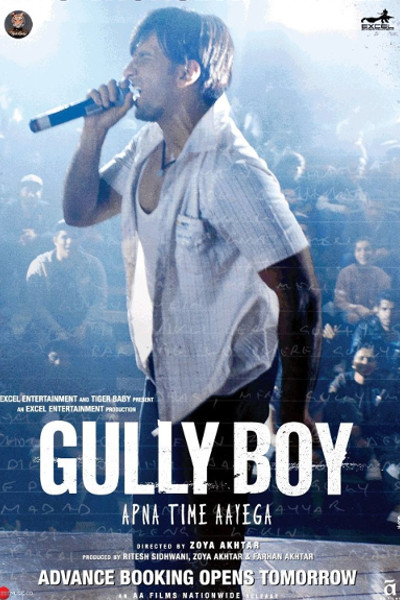
Career Analytics
Genre Breakdown
Language Distribution
Films by Decade
Legacy & Influence
Ishq Bector is recognized as a versatile playback singer, rapper, and music composer in the contemporary Indian music scene, primarily associated with Hindi cinema (Bollywood). His career trajectory began with a strong foundation in Western and Indian classical music, leading to his breakthrough as a vocalist who adeptly blends hip-hop, pop, and traditional Indian styles. Bector's most significant and widely recognized contribution is the creation and performance of the viral song "Aye Hip Hopper" from the film "Tanu Weds Manu" (2011). This track, with its catchy fusion of Punjabi folk rhythms and modern rap, became a cultural phenomenon and cemented his reputation as an innovator in introducing and popularizing desi hip-hop within mainstream Bollywood soundtracks. His vocal style is characterized by a unique, energetic delivery and clear enunciation, making him a sought-after voice for youthful, upbeat numbers. Beyond playback singing, Bector has also contributed as a music director and composer for films and independent projects, showcasing his ability to craft complete musical pieces. While not having an extensive filmography as a singer, his select work has had a disproportionate impact, influencing the sound palette of Bollywood party and item numbers in the early 2010s and inspiring a wave of artists to explore rap and hip-hop in Indian languages. His career represents a bridge between underground musical movements and commercial cinema, expanding the genre boundaries of what is considered mainstream Indian film music.