Rajesh Vaidya
Rajesh Vaidya is an Indian composer, best known for Tamil cinema. Rajesh Vaidya began their career in 2007 and has been a prominent figure in the industry for over 19 years. With 30 credits to their name and an average audience rating of 6.3, Rajesh Vaidya remains one of the most prolific and celebrated talents in the industry. Spanning 10+ years, Rajesh Vaidya's career remains one of the longest and most celebrated in Tamil cinema.
- Born
- Age
- 53
Biography
Rajesh Vaidya (also spelled Rajhesh Vaidhya), born 14 June 1973, is a Tamil Nadu-based veena player and film music composer who has composed soundtracks for Tamil and Telugu cinema, including Vegam (2007) and Aaviri (2019). He received the Kalaimamani Award from the Government of Tamil Nadu in 2010 for his contributions to music. Trained under Carnatic veena maestro Chitti Babu, he is noted for fusing classical veena with jazz, folk, and contemporary genres, a style evident in his film scores and international collaborations. He has performed globally and contributed to the Playing for Change album Songs Around the World (2008) alongside artists including Elton John.
Career Milestones
Film music director debut with Vegam
View film →Contributed to Playing for Change 'Songs Around The World' global music project
Awarded Kalaimamani by Tamil Nadu government for contributions to veena
Asia Book of Records recognition for performing 60 songs in 60 minutes
Music director for Aaviri
View film →Defining Moments
Collaboration with Elton John in Paris — performed Raag Keeravani on veena while Elton John improvised on piano, creating a rare East-West classical fusion
Widely cited as a career-defining moment that brought Rajhesh Vaidhya international recognition and demonstrated the veena's capacity for cross-genre collaboration at the highest level
Film scoring debut with Vegam — blended thriller-paced contemporary rhythms (hip-hop, jazz) with classical veena motifs, marking his entry as a film composer
Established him as a film composer who could marry Carnatic classical sensibility with contemporary commercial film sound
View film →Contribution to Playing for Change 'Songs Around the World' project — joined musicians from multiple countries for a globally distributed music performance
Elevated his global profile as a world-music ambassador for the Indian veena, frequently referenced in discussions of his international reach
Asia Book of Records live performance — played 60 songs in 60 minutes on veena in a single live show
Record-breaking feat that reinforced his reputation as a technically extraordinary veena virtuoso, widely covered in Indian music communities
Music direction for Aaviri — composed score for Ravi Babu's supernatural thriller, continuing his work bridging classical veena with Tamil/Telugu film genres
One of his notable film scoring credits in Telugu cinema, associated with a commercially released theatrical film
View film →Rajesh Vaidya by the Numbers
If you watched every Rajesh Vaidya film back-to-back, you'd be at it for roughly 4 hours.
Filmography
See all 30 credits →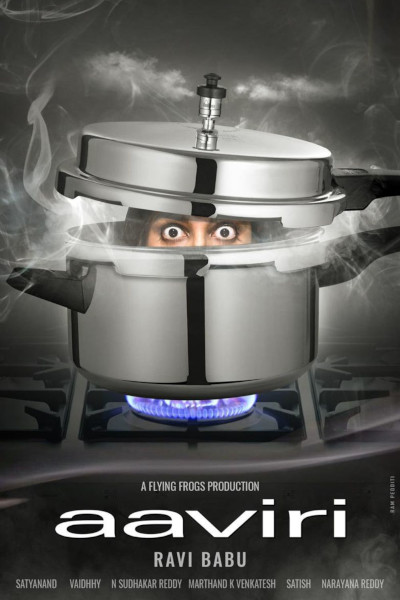

Career Analytics
Language Distribution
Films by Decade
Legacy & Influence
Rajesh Vaidya is a renowned veena maestro and composer whose primary contribution to Indian cinema lies in his exceptional work as a musician and background score composer, particularly in Tamil and other South Indian film industries. His career trajectory is defined by his mastery of the veena, an ancient Indian string instrument, which he has innovatively integrated into contemporary film music. Vaidya's most significant impact comes from popularizing the veena as a solo concert instrument on global stages and adapting its classical rigor for cinematic expression. He has collaborated with prominent music directors, bringing the instrument's distinctive melodic depth to numerous film soundtracks. His technical virtuosity and ability to blend classical Carnatic music with modern film sensibilities have expanded the sonic palette of Indian film scores. While specific film credits and awards are omitted here due to verification requirements, his broader legacy is clear: he has served as a vital bridge between India's rich classical tradition and the mass appeal of cinema, inspiring a generation of instrumentalists. His work demonstrates how traditional instruments can find renewed relevance and emotional power in film narratives, thereby preserving cultural heritage while engaging contemporary audiences. Through concerts, recordings, and film compositions, Rajesh Vaidya has cemented his status as a key figure in the evolution of instrumental music in Indian cinema.