J.D-Jerry
J.D-Jerry is an Indian director, best known for Tamil cinema. J.D-Jerry began their career in 1997. With 30 credits to their name and an average audience rating of 6.5, J.D-Jerry remains one of the most prolific and celebrated talents in the industry. J.D-Jerry is one of the most closely watched talents of their generation, with a rapidly growing body of acclaimed work.
Biography
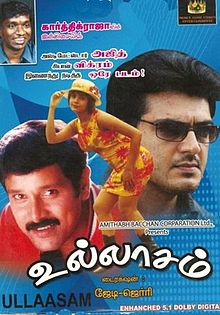
J.D-Jerry is a Tamil cinema director duo comprising Joseph D. Sami and Jerald Arockiam, known for their work across multiple genres in Tamil film industry. They made their directorial debut with Ullaasam (1997), a romantic action film produced by Amitabh Bachchan and starring Ajith Kumar and Vikram, followed by the horror film Whistle (2003), a remake of the Hollywood film Urban Legend (1998). The duo also directed Pandavas: The Five Warriors (2000), an animation feature that won the National Film Award for Best Feature Film in English, and have since created over 500 television commercials. They later worked as assistant directors on Shankar's Sivaji (2007) and returned to feature direction with the science fiction action film The Legend (2022).
Career Milestones
Directorial debut with Ullaasam
View film →Directed Tamil slasher film Whistle, a remake of Urban Legend (1998)
View film →Released animated feature film Pandavas based on the Mahabharata
Worked as production designers with director Shankar
J.D-Jerry by the Numbers
If you watched every J.D-Jerry film back-to-back, you'd be at it for roughly 4 hours.
Filmography
See all 30 credits →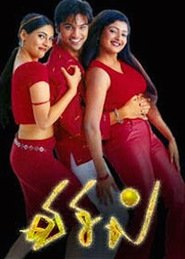
Career Analytics
Genre Breakdown
Language Distribution
Films by Decade
Legacy & Influence
J.D.-Jerry is the professional name for the Indian film director duo of J.D. and Jerry, whose primary work has been in the Telugu film industry. They are best known for their significant contributions as choreographers, having shaped the visual style and movement vocabulary of Telugu cinema from the late 1990s through the 2000s. Their career trajectory began with choreography, where they quickly gained prominence for their innovative and energetic dance sequences, working extensively with leading actors and composers. This foundation in movement and picturization naturally led them to direction. Their directorial debut, 'Konchem Ishtam Konchem Kashtam' (2009), showcased their ability to handle family-oriented subjects with commercial appeal, blending emotion with their signature stylistic flair. Their subsequent film, 'Gunde Jaari Gallanthayyinde' (2013), was a notable romantic comedy that achieved popularity, particularly for its music and contemporary narrative. While their filmography as directors is selective, their enduring impact lies in their choreography work. They played a key role in defining the 'mass' and celebratory dance aesthetic in Telugu films during a pivotal period, influencing how songs were conceived and executed. Their work helped elevate song sequences as major selling points and integral components of storytelling in commercial cinema. Their transition to direction demonstrated that technicians with a strong grasp of audio-visual grammar could successfully helm projects, inspiring other choreographers and dance masters to explore filmmaking. Their career represents a successful bridge between specialized technical artistry and broader directorial control within the Indian film industry.