Ravi Shankar
Ravi Shankar is an Indian composer, best known for Tamil cinema. Ravi Shankar began their career in 2002. With 30 credits to their name and an average audience rating of 6.0, Ravi Shankar remains one of the most prolific and celebrated talents in the industry. Spanning 20+ years, Ravi Shankar's career remains one of the longest and most celebrated in Tamil cinema.
Career Milestones
Composed music for Vangaveeti, a high-profile political biographical film directed by Ram Gopal Varma
Composed music for Bollywood film Sarkar 3 starring Amitabh Bachchan
Composed music for Officer starring Nagarjuna, a major Telugu action film
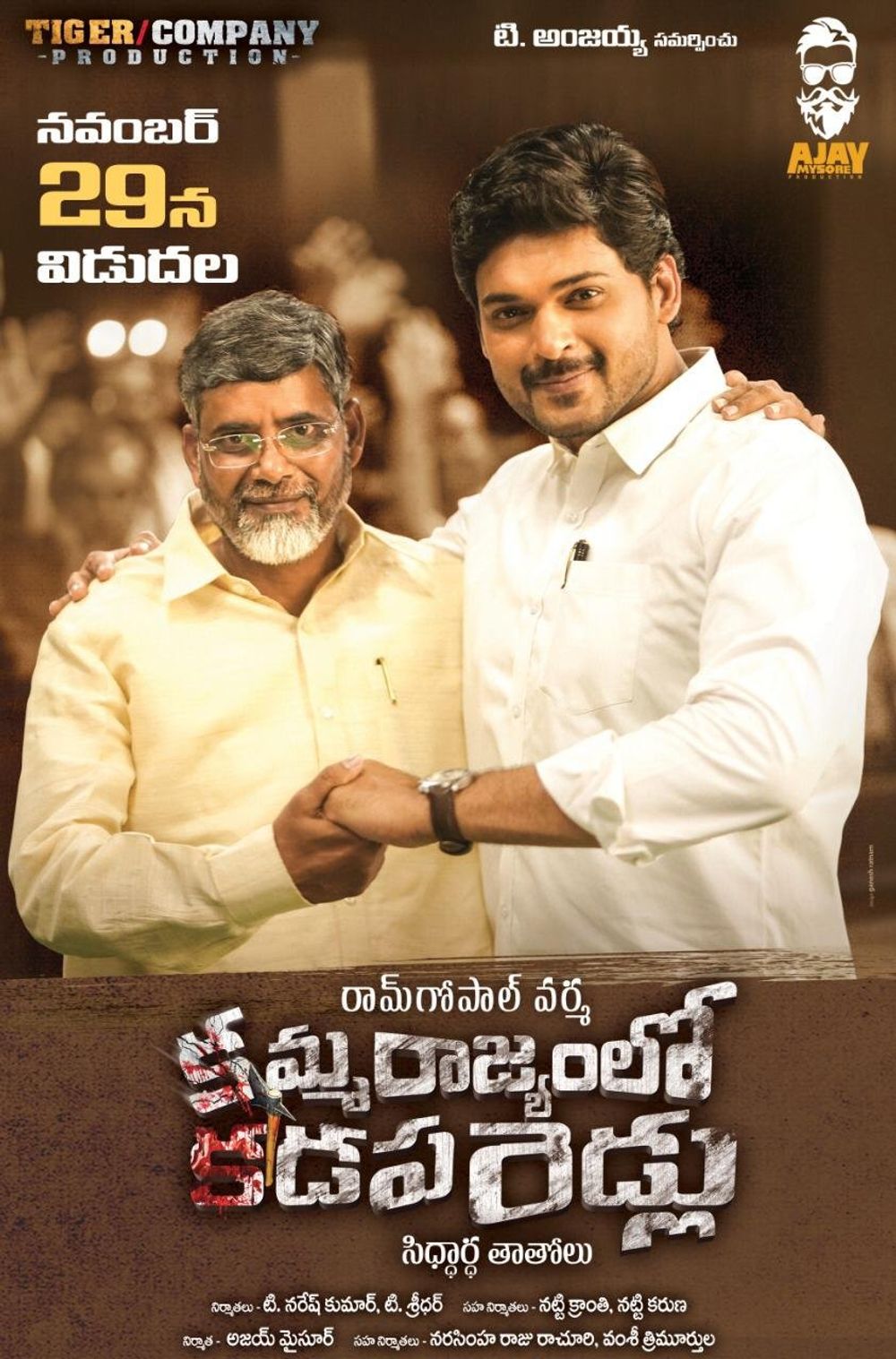
Composed music for Kamma Rajyam Lo Kadapa Reddlu (Amma Rajyam Lo Kadapa Reddlu), a Ram Gopal Varma political satire
View film →Won award at 9th Rajasthan International Film Festival for Best Music
Ravi Shankar by the Numbers
If you watched every Ravi Shankar film back-to-back, you'd be at it for roughly 7 hours. Most-paired with Ram Gopal Varma — 2 films together.
Filmography
See all 30 credits →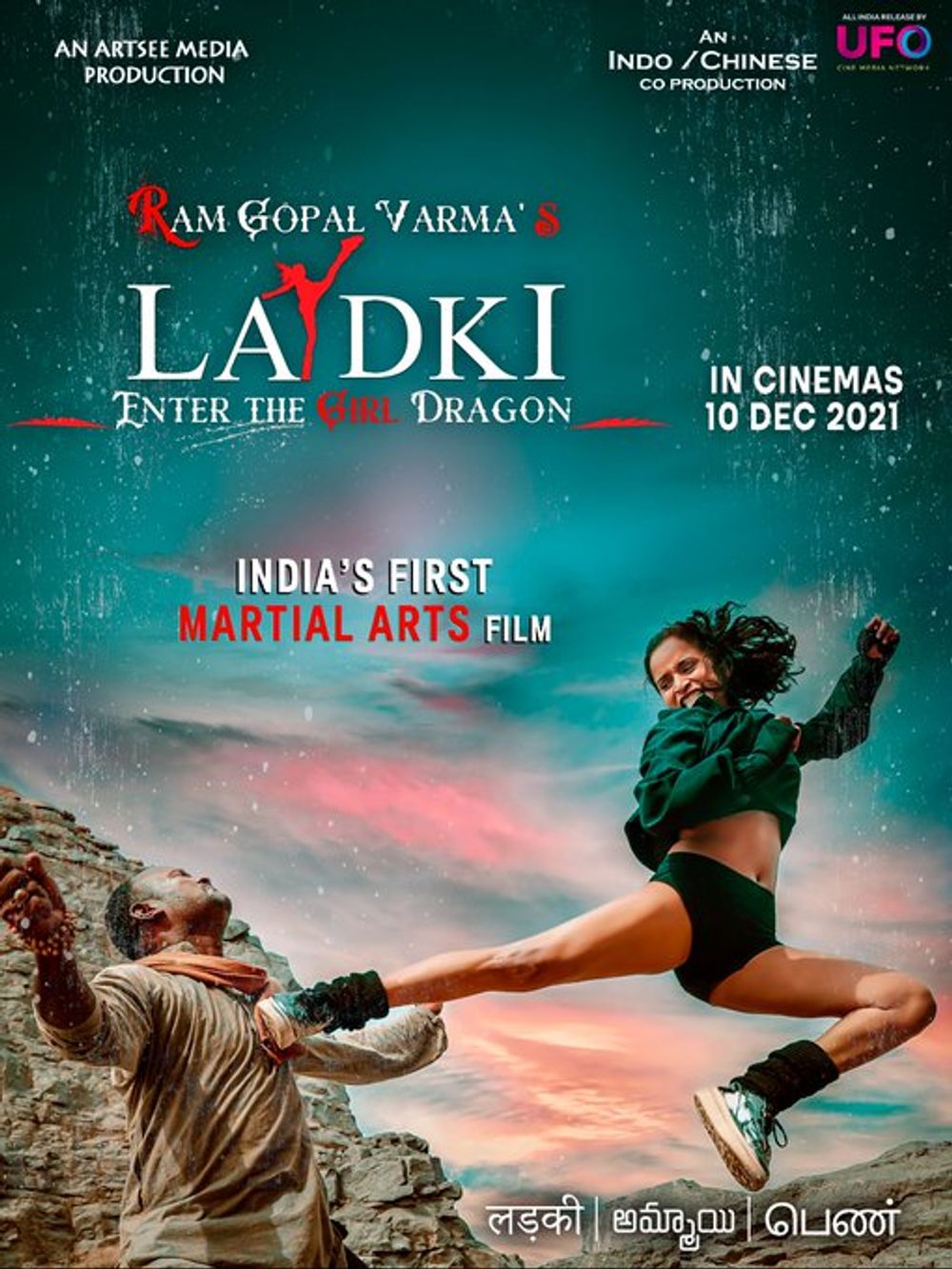
Collaboration Network
Career Analytics
Language Distribution
Films by Decade
Top Co-Actors
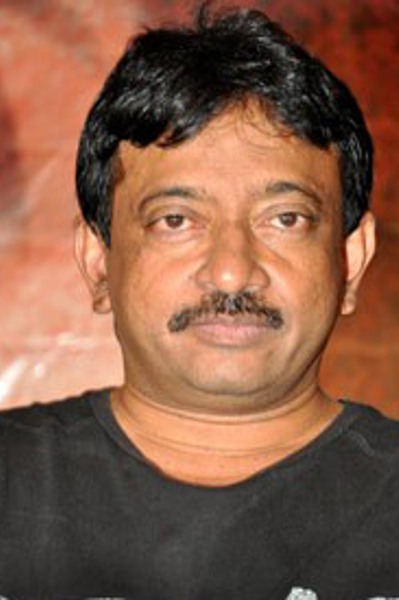
See all →Ravi Shankar has worked most frequently with Ram Gopal Varma (2 films).
Did You Know?
Ravi Shankar was a legendary sitar maestro and composer, not a film actor.
He was a key figure in introducing Indian classical music to the Western world in the 1960s.
He performed at the Monterey Pop Festival (1967) and Woodstock (1969).
He taught sitar to George Harrison of The Beatles, forming a close friendship.
He won two Grammy Awards for Best World Music Album.
Legacy & Influence
Ravi Shankar, born Robindro Shaunkor Chowdhury, was a globally revered sitar maestro and composer whose profound influence on Indian cinema is primarily through his pioneering work in film music and soundtrack composition. His career trajectory in cinema began in the late 1940s, and he is most celebrated for his collaborations with acclaimed director Satyajit Ray, for whom he composed the music for the Apu Trilogy—'Pather Panchali' (1955), 'Aparajito' (1956), and 'Apur Sansar' (1959). These scores were revolutionary, moving away from the dominant orchestral and song-heavy style of mainstream Indian cinema to a more minimalist, atmospheric, and folk-inspired sound that deeply enhanced the films' poetic realism. His music became an integral character in Ray's narratives, evoking the emotional and cultural landscape of rural Bengal with unparalleled subtlety. Beyond Ray, he composed for other significant films like 'Kabuliwala' (1957) and 'Parash Pathar' (1958), and later for international projects such as Richard Attenborough's 'Gandhi' (1982), for which he received an Academy Award nomination. His contribution lies in elevating film music to a high art form, integrating classical Indian raga structures with cinematic needs to create a unique sonic identity that influenced generations of composers. By introducing the depth and complexity of Indian classical music to global audiences through cinema, he played a crucial role in shaping world music and fostering cross-cultural dialogue. His legacy in Indian cinema is that of a bridge-builder who used his unparalleled mastery of the sitar and composition to add profound spiritual and emotional depth to visual storytelling, setting a benchmark for artistic integrity in film scoring.