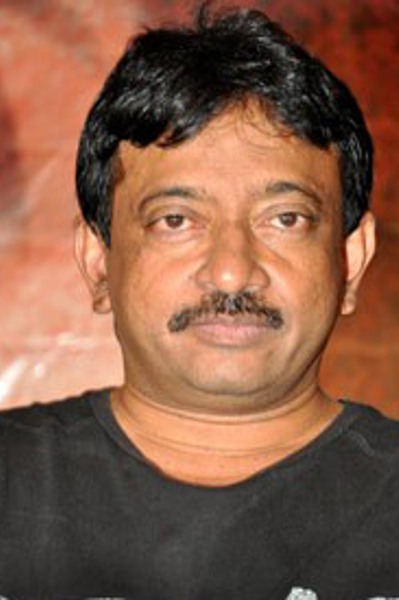
Ram Gopal Varma
Ram Gopal Varma is an Indian producer, best known for Tamil cinema. Ram Gopal Varma began their career in 1993 and has been a prominent figure in the industry for over 33 years. With over 90 credits to their name, Ram Gopal Varma remains one of the most prolific and celebrated talents in the industry. Spanning 30+ years, Ram Gopal Varma's career remains one of the longest and most celebrated in Tamil cinema.
- Born
- Age
- 64
Biography
Ram Gopal Varma (RGV) is an Indian film director, screenwriter, and producer working primarily in Hindi and Telugu cinema, best known for redefining the crime and thriller genres. He debuted with the Telugu film Siva (1989), which won the Nandi Award for Best Direction, and later achieved landmark success with Satya (1998), a gritty Mumbai underworld saga that is widely credited with reinventing the Indian gangster film. His directorial style is characterized by hand-held camera work, dark realism, and morally complex protagonists, evident in films like Rakta Charitra (2010) and The Attacks of 26/11 (2013). He is also credited as an early mentor to directors such as SS Rajamouli and Anurag Kashyap, cementing his lasting influence on contemporary Indian cinema.
Career Milestones
Directorial debut with Siva, a landmark Telugu crime thriller that won Nandi Award for Best Direction and introduced Steadicam technique to Indian cinema
Critical acclaim with neo-noir heist film Kshana Kshanam, winning Nandi Award for Best Direction and Best Screenplay
View film →Breakthrough into Hindi cinema with Rangeela, winning seven Filmfare Awards and establishing him as a major Bollywood director
Directed Satya, a landmark Mumbai gangster film that pioneered the Hindi noir genre and is considered one of the greatest Indian films
Retrospective of his filmography at the Fribourg International Film Festival and featured in Cannes Film Festival Directors' Fortnight
Ram Gopal Varma by the Numbers
If you watched every Ram Gopal Varma film back-to-back, you'd be at it for roughly 7 days and 18h. Most-paired with Urmila Matondkar — 12 films together.
Filmography
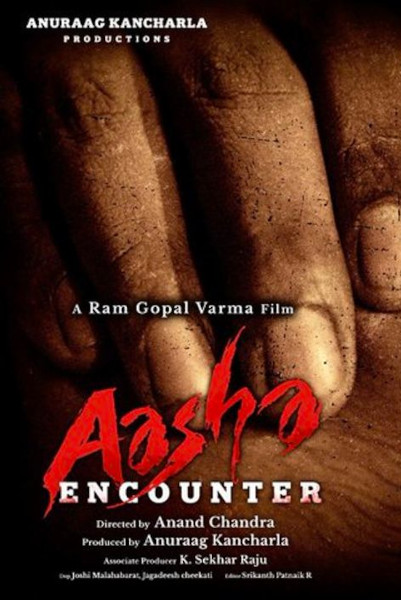
See all 90 credits →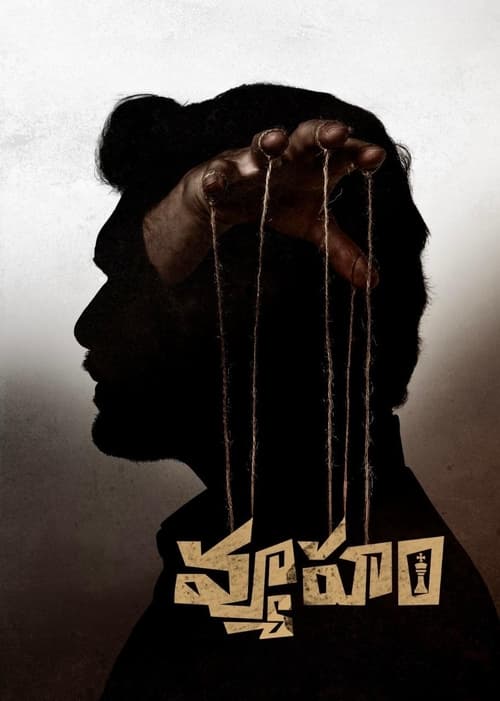




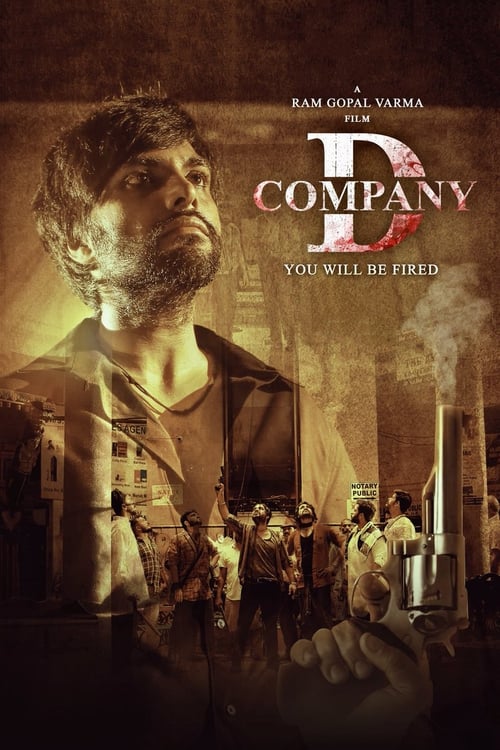

Collaboration Network
The Constellation
Top 10 most-paired collaborators. Bubble size and line thickness reflect how many films they share with Ram Gopal Varma.
Career Analytics
Genre Breakdown
Language Distribution
Films by Decade
Top Co-Actors
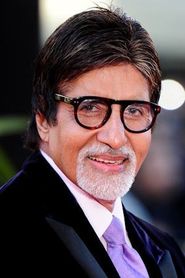
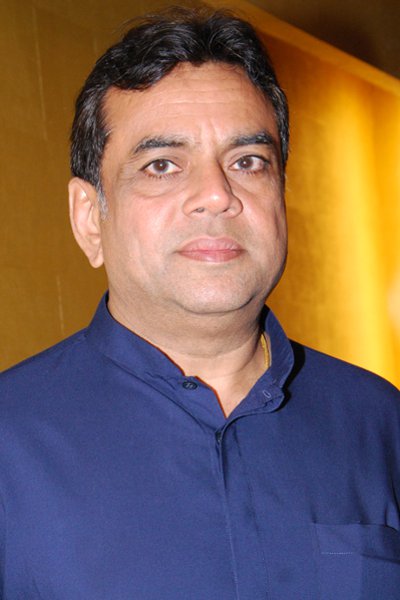
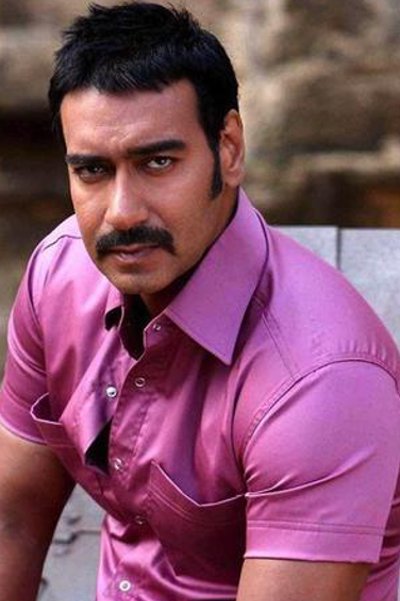
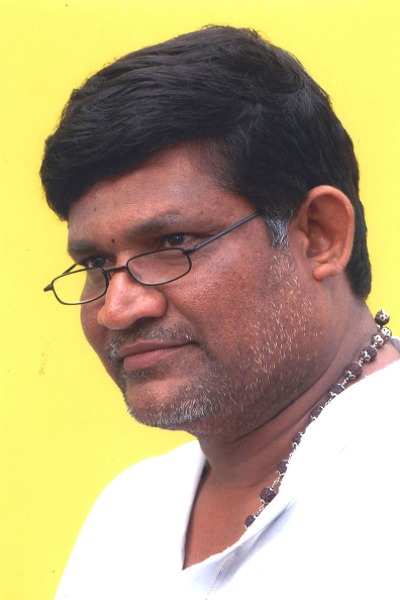
See all →Ram Gopal Varma has worked most frequently with Urmila Matondkar (12 films), Amitabh Bachchan (7 films), Sudeep (6 films), Akkineni Nagarjuna (6 films), and J. D. Chakravarthy (6 films).





Did You Know?
He is known for pioneering the gangster film genre in Indian cinema with films like 'Satya' and 'Company'.
He started his career as a civil engineer before entering the film industry.
He founded the production company 'The Factory' in 2005.
He is known for his extensive use of innovative camera angles and sound design.
He directed the first Indian film shot entirely on digital video, 'Bhoot' (2003).
Photos
See all →


News & Stories
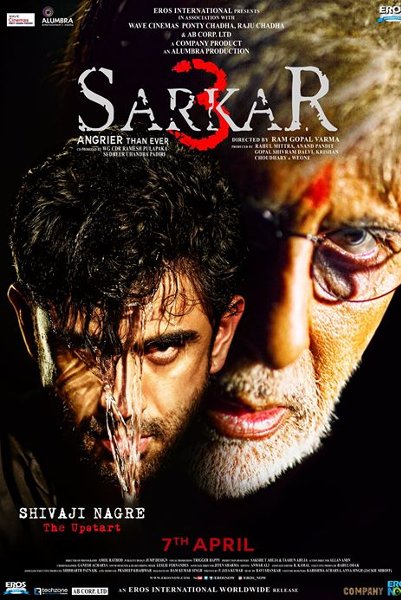
Sarkar 3 will not have Abhishek and Aishwarya ??
23/8/2016
RGV joins with Vivek Oberoi for a gangster film
18/4/2016
Ram Gopal Varma to make Company 2 with Vivek Oberoi
19/2/2016
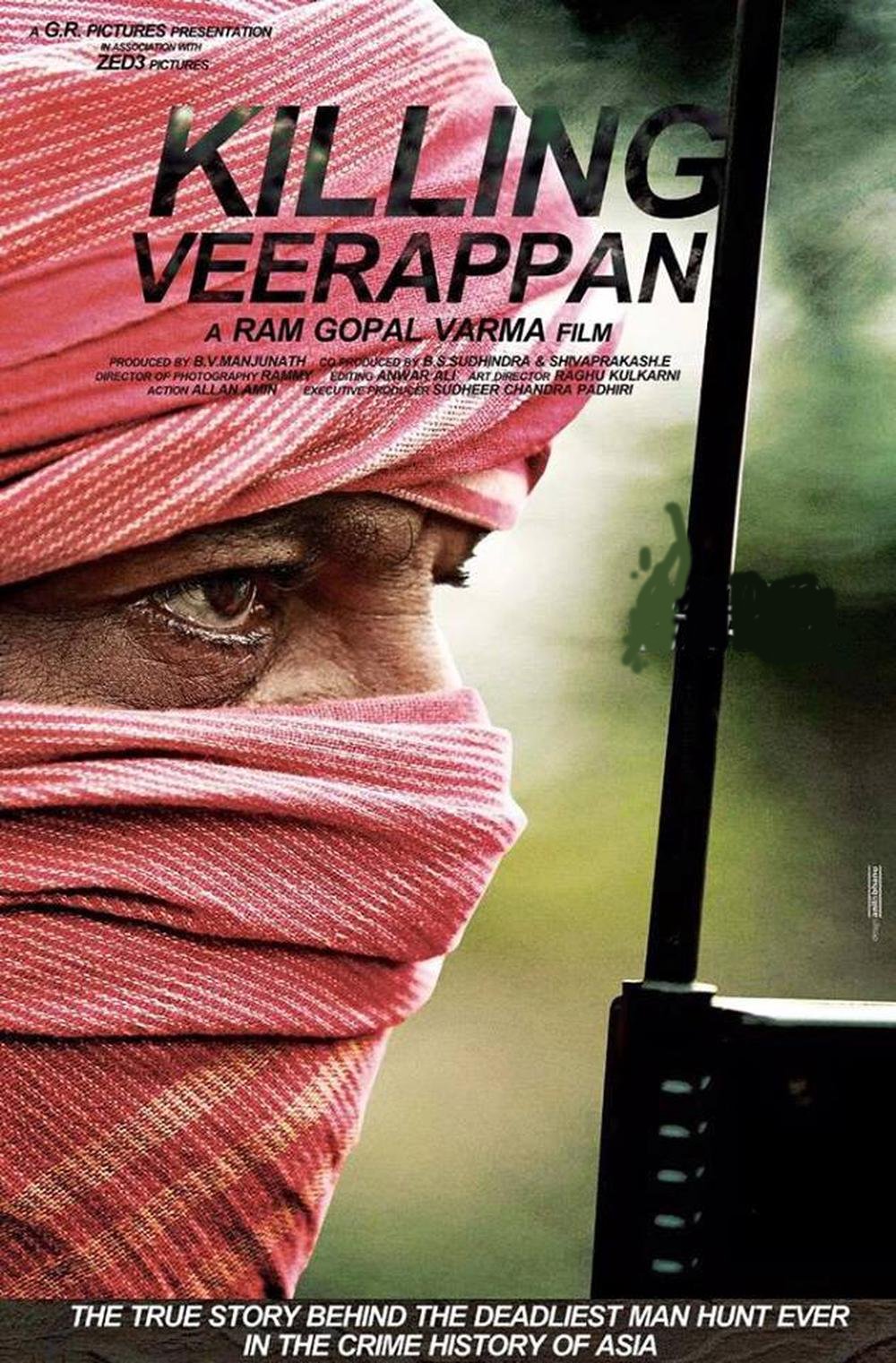
Ram Gopal Varma to make Veerappan biopic in Hindi
29/1/2016
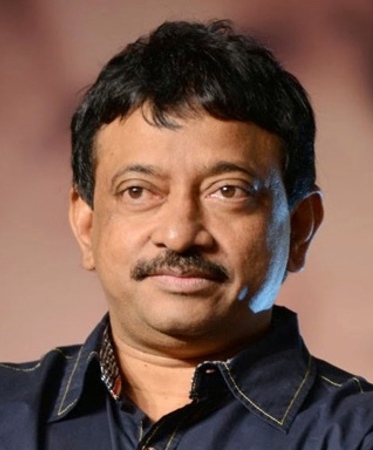
Ram Gopal Varma to make Siva-2 with Akkineni family
25/9/2015
Legacy & Influence
Ram Gopal Varma is a pivotal and disruptive figure in Indian cinema, renowned for pioneering new genres and a distinct visual style that permanently altered the filmmaking landscape. Emerging from Telugu cinema in the late 1980s, he gained national recognition with the gritty, neo-noir crime thriller 'Shiva' (1990), which introduced a raw, realistic aesthetic and innovative camera techniques to mainstream Indian film. His career trajectory is defined by a fearless exploration of the underworld and psychological spaces. The 'Satya' (1998) and 'Company' (2002) duology, along with 'Satya' precursor 'Rangeela' (1995), revolutionized the Indian gangster genre, moving it away from melodrama to a stark, documentary-like realism. This 'Mumbai Noir' trilogy, characterized by gritty narratives, kinetic camerawork, and complex characters, inspired a whole generation of filmmakers to explore darker, more urban stories. Varma also reshaped Indian horror with the technically innovative and psychologically unsettling 'Bhoot' (2003) and 'Raatri' (1992), moving the genre beyond Gothic tropes. His work is marked by an experimental, often controversial approach to form and content, from the subjective camerawork in 'Kaun?' (1999) to the digital filmmaking exploration in 'Naach' (2004). Despite a later career marked by commercial fluctuations and critical polarization, his early and mid-period films established a new grammar for cinematic realism, violence, and urban storytelling in both Telugu and Hindi cinema. His influence is evident in the works of numerous directors who adopted his kinetic style and thematic boldness, cementing his legacy as a true maverick who expanded the boundaries of mainstream Indian film.