Neeraj
Neeraj is an Indian actor, best known for Tamil cinema. Neeraj began their career in 1991. With 30 credits to their name, Neeraj remains one of the most prolific and celebrated talents in the industry. Spanning 30+ years, Neeraj's career remains one of the longest and most celebrated in Tamil cinema.
Career Milestones
Film debut
View film →Neeraj by the Numbers
If you watched every Neeraj film back-to-back, you'd be at it for roughly 7 hours. Most-paired with Shoba Chandrasekhar — 2 films together.
Filmography
See all 30 credits →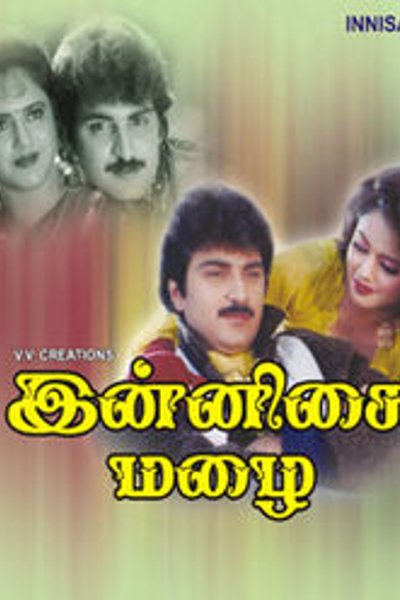
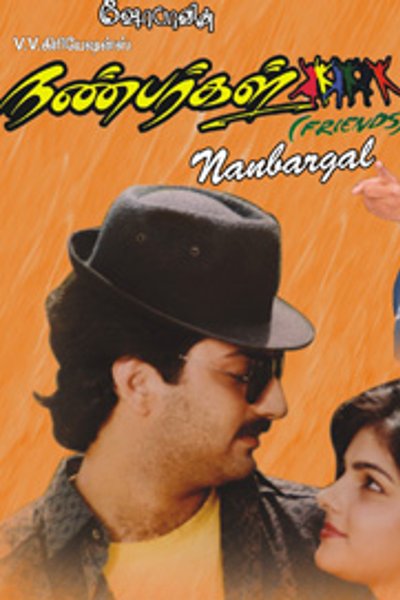
Collaboration Network
The Constellation
Top 2 most-paired collaborators. Bubble size and line thickness reflect how many films they share with Neeraj.
Career Analytics
Language Distribution
Films by Decade
Top Co-Actors
See all →Neeraj has worked most frequently with Shoba Chandrasekhar (2 films), and Vivek (2 films).

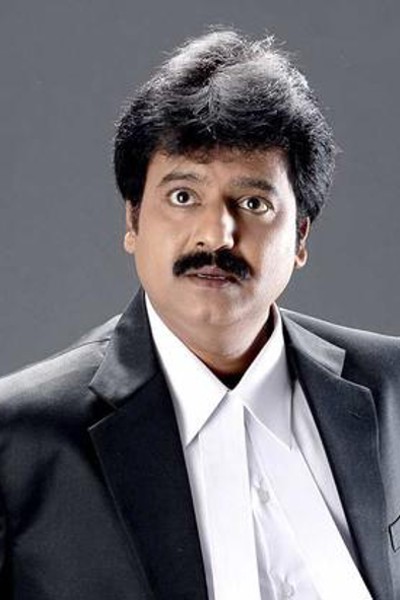
Legacy & Influence
Neeraj is a prominent figure in Indian cinema, widely recognized as one of the most celebrated and influential lyricists and poets in the history of Hindi film music. His career, which began in the 1960s, is marked by a profound literary quality and philosophical depth that elevated the standard of film songwriting. Neeraj, whose full name is Gopaldas Neeraj, brought a distinct poetic sensibility from his background in Hindi literature, infusing lyrics with classical imagery, romanticism, and thoughtful reflections on life. His major contributions came through collaborations with legendary music directors like Shankar-Jaikishan, Kalyanji-Anandji, and R.D. Burman, for whom he penned timeless songs for films across the 1960s, 1970s, and beyond. Iconic songs such as "Phoolon Ke Rang Se" (Prem Pujari), "Ae Bhai Zara Dekh Ke Chalo" (Mera Naam Joker), "Shokhiyon Mein Ghola Jaye" (Prem Pujari), and "Kaal Ka Pahiya" (Chitchor) showcase his range from playful romance to profound melancholy. His lyrics often carried a lyrical, almost ghazal-like quality, making them memorable for their poetic meter and emotional resonance. Neeraj's work significantly bridged the gap between traditional Hindi poetry and popular cinema, influencing a generation of lyricists who followed. He received the Padma Shri in 1991 for his contributions to literature and education, and his legacy endures as his songs continue to be revered for their literary merit and timeless appeal, securing his place as a poet who brought unparalleled depth and beauty to the Indian film song.