Sheena Shahabadi
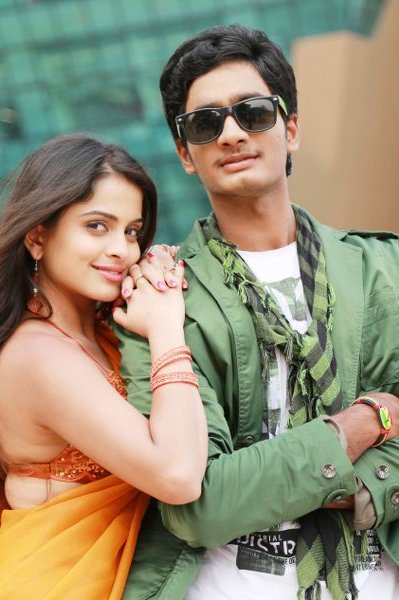
Sheena Shahabadi is an Indian actor, best known for Tamil cinema. Sheena Shahabadi began their career in 2009. With 30 credits to their name, Sheena Shahabadi remains one of the most prolific and celebrated talents in the industry. Sheena Shahabadi is one of the most closely watched talents of their generation, with a rapidly growing body of acclaimed work.
Biography
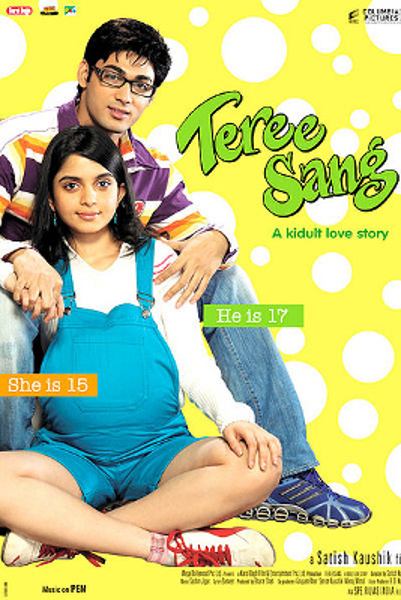
Sheena Shahabadi is an Indian actress working in Hindi and South Indian cinema, daughter of actress Sadhana Singh, who made her debut in Teree Sang (2009) playing Maahi, a teenager navigating an unplanned pregnancy. She appeared in I, Me Aur Main (2013) alongside John Abraham and Chitrangda Singh, playing the character Amala in this romantic comedy directed by Kapil Sharma. In Gaddam Gang (2015), a Hindi remake of the Tamil hit Soodhu Kavvum, she played Shailu, the imaginary girlfriend of the protagonist. She continued acting into the 2020s, appearing in Dhaaak (2024).
Career Milestones
Film debut
View film →Hindi film role as Amala alongside John Abraham
View film →Telugu film appearance
View film →Television debut in Hindi series as Avni
Featured in Hindi web/TV series as Meera
Iconic Roles
Teree Sang
Sheena's debut role as a teenage girl from an affluent family who gets pregnant after a relationship with her classmate; the film tackled teen pregnancy and sex education.
I, Me Aur Main
Supporting role in this Hindi ensemble film starring John Abraham.
Defining Moments
Debut lead role as Maahi — a teenage girl who becomes pregnant after a relationship with her classmate, depicting the emotional and social struggles of an unwed young mother in a conservative society
A bold debut for a newcomer from a film family; the role tackled teen pregnancy and the need for sex education, sparking public discussion. The unflinching portrayal of elopement, social stigma, and emotional turmoil established her as a willing risk-taker in her very first film.
View film →Playing Amala, a pivotal supporting character in the romantic comedy alongside John Abraham and Chitrangda Singh, holding her own against established stars
Marked her return to Hindi cinema in a high-profile production, demonstrating her ability to transition from lead roles to strong supporting work in mainstream Bollywood comedies.
View film →Appearance in the Telugu action entertainer Gaddam Gang, consolidating her crossover presence in South Indian cinema after her Hindi film beginnings
Represented a successful pivot to Telugu commercial cinema, showing her versatility across industries and expanding her fanbase beyond Hindi audiences.
View film →Sheena Shahabadi by the Numbers
If you watched every Sheena Shahabadi film back-to-back, you'd be at it for roughly 11 hours. Most-paired with Dr. Rajasekhar — 2 films together.
Filmography
See all 30 credits →

Collaboration Network
Career Analytics
Language Distribution
Films by Decade
Top Co-Actors
See all →Sheena Shahabadi has worked most frequently with Dr. Rajasekhar (2 films).

Legacy & Influence
Sheena Shahabadi's career in Hindi cinema, though brief and comprising a limited filmography, represents a distinct trajectory of an actor navigating the industry in supporting roles during the late 2000s and early 2010s. Her debut in the teen-centric film 'Teree Sang' (2009) placed her within a wave of coming-of-age narratives, albeit in a minor capacity. Her most notable appearance was in the John Abraham-produced 'I, Me Aur Main' (2013), where she played Amala, a friend to the protagonist. While the film itself did not achieve major commercial or critical success, her participation connected her to mainstream projects featuring established actors. Her final credited role in 'Gaddam Gang' (2015) continued this pattern of ensemble work. Shahabadi's contribution lies not in headline-grabbing stardom or transformative performances, but in her presence as a consistent, reliable supporting player within the fabric of commercial Hindi films during that period. Her career trajectory reflects the path of many actors who contribute to the depth of a film's cast without necessarily attaining leading status. In this, she represents an integral, if often unsung, part of the industry's ecosystem, where every role contributes to the final narrative tapestry. Her work remains a small but defined part of the cinematic output of her era.