V. Samudra
V. Samudra is an Indian director, best known for Tamil cinema. V. Samudra began their career in 2001. With 30 credits to their name, V. Samudra remains one of the most prolific and celebrated talents in the industry. Spanning 20+ years, V. Samudra's career remains one of the longest and most celebrated in Tamil cinema.
Biography
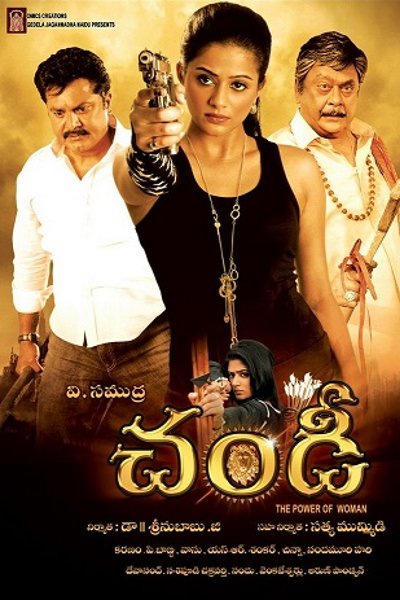
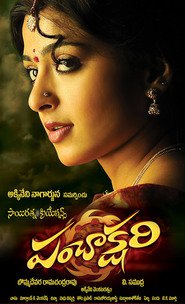
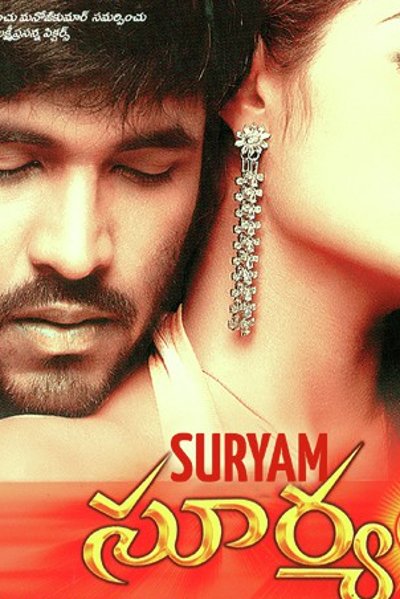
V. Samudra (full name Vankadari Samudra Rao) is a Telugu cinema director known for helming action, drama, and fantasy films over a career spanning more than two decades. He made his directorial debut with Simharasi (2001) and went on to direct notable Telugu productions including Suryam (2004, produced by Mohan Babu, starring Vishnu Manchu), Panchakshari (2010, starring Anushka Shetty, also dubbed in Tamil, Kannada, and Hindi), and Chandee (2013, a remake of the Tamil film Maayi starring Priyamani and Krishnam Raju, which grossed ₹550 million in 30 days). A recurring pattern in his work is the adaptation of Tamil and Hollywood films into Telugu, including Siva Rama Raju (2002, a remake of the Tamil film Samudhiram) and Chandee (inspired by Hollywood's The Long Kiss Goodnight). His most recent directorial work, Jai Sena (2021), starred Srikanth and Sunil and was dedicated to farmers of India.
Career Milestones
Directorial debut with Simharasi
Directed Siva Rama Raju for prominent production house Super Good Films
View film →Directed Suryam, a notable Telugu action film
View film →Directed Panchakshari featuring Anushka Shetty in the lead role
View film →Directed Jai Sena, continuing active career in Telugu cinema
View film →V. Samudra by the Numbers
If you watched every V. Samudra film back-to-back, you'd be at it for roughly 23 hours. Most-paired with Brahmanandam — 3 films together.
Filmography
See all 30 credits →
Collaboration Network
The Constellation
Top 7 most-paired collaborators. Bubble size and line thickness reflect how many films they share with V. Samudra.
Career Analytics
Genre Breakdown
Language Distribution
Films by Decade
Top Co-Actors
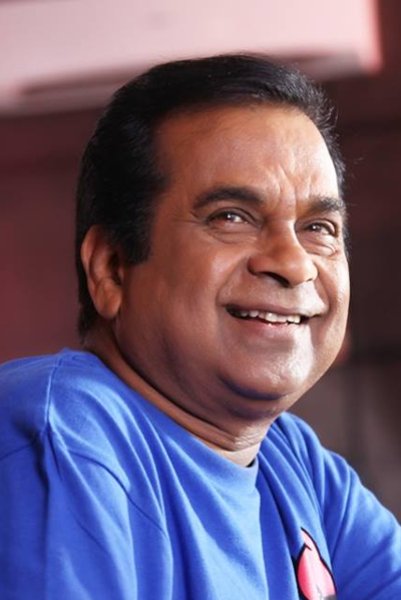
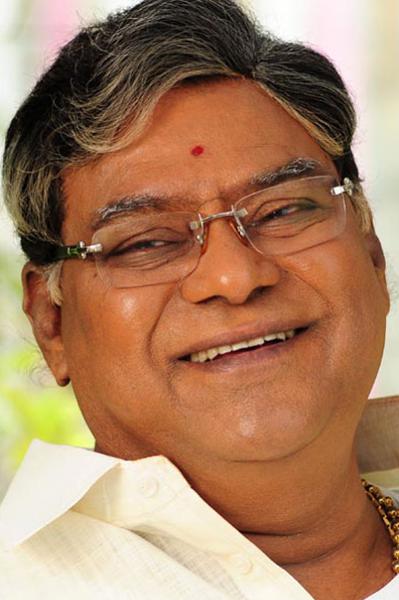
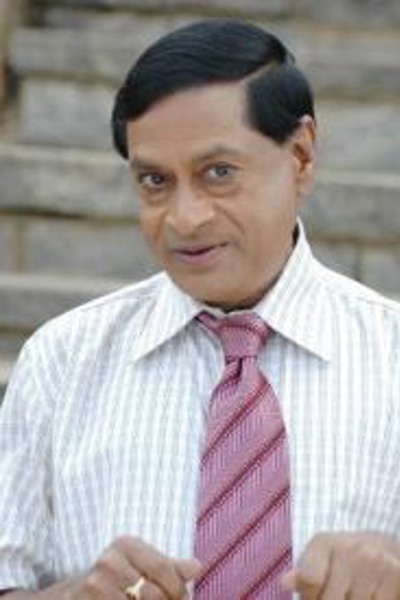
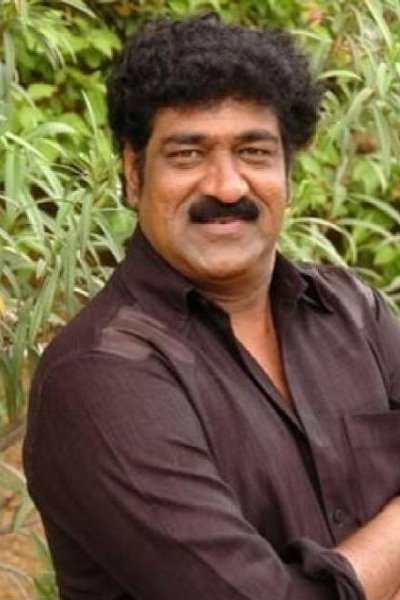
See all →V. Samudra has worked most frequently with Brahmanandam (3 films), Anushka Shetty (2 films), Kota Srinivasa Rao (2 films), M. S. Narayana (2 films), and Raghu Babu (2 films).


Legacy & Influence
V. Samudra is a cinematographer whose work is primarily associated with the Telugu film industry. His career trajectory, while not extensively documented in mainstream film historiography, represents the vital yet often under-celebrated role of technical artists in Indian cinema. He is known for his collaborations with director V. Madhusudhan Rao on several mythological and social films during the 1960s and 1970s, a period of significant transition in Telugu cinema. His cinematography is noted in films like 'Bhakta Prahlada' (1967) and 'Sati Savitri' (1978), where his work contributed to the visual storytelling of devotional narratives, employing lighting and composition to enhance the dramatic and spiritual tone expected of the genre. Operating within the studio system of the time, Samudra's contribution lies in his proficient execution of the visual style characteristic of mythological and devotional films, which were major commercial staples. His filmography, though not vast, underscores the collaborative nature of filmmaking where cinematographers like him helped realize directorial visions for specific genres. His work remains a part of the broader tapestry of Telugu cinema's technical craftsmanship during an era that balanced traditional storytelling with evolving filmic techniques. Without verified details on awards or pioneering technical innovations, his legacy is that of a reliable craftsman whose cinematography served the narrative demands of popular cinema, contributing to the visual culture of his time.