
Sneha Ullal
Sneha Ullal is an Indian actor, best known for Tamil cinema. Sneha Ullal began their career in 2005 and has been a prominent figure in the industry for over 21 years. With 30 credits to their name, Sneha Ullal remains one of the most prolific and celebrated talents in the industry. Spanning 20+ years, Sneha Ullal's career remains one of the longest and most celebrated in Tamil cinema.
- Born
- Age
- 38
Biography
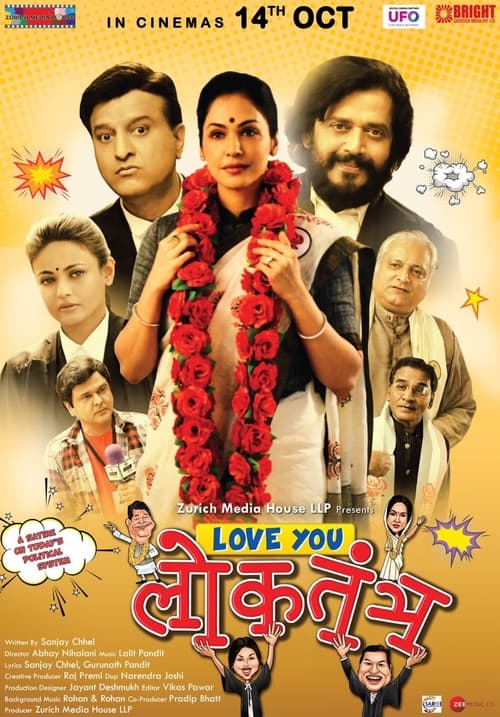
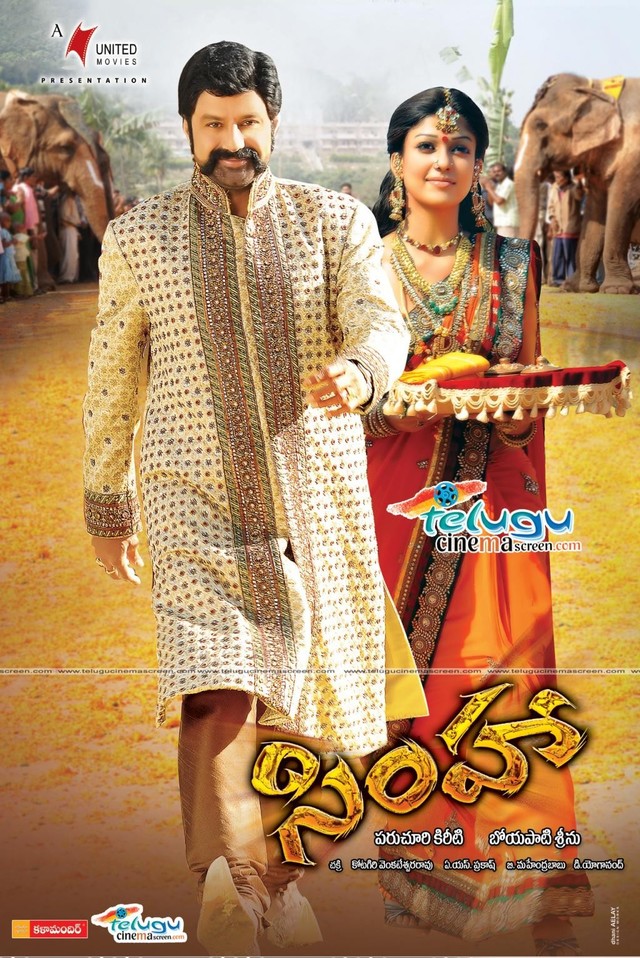
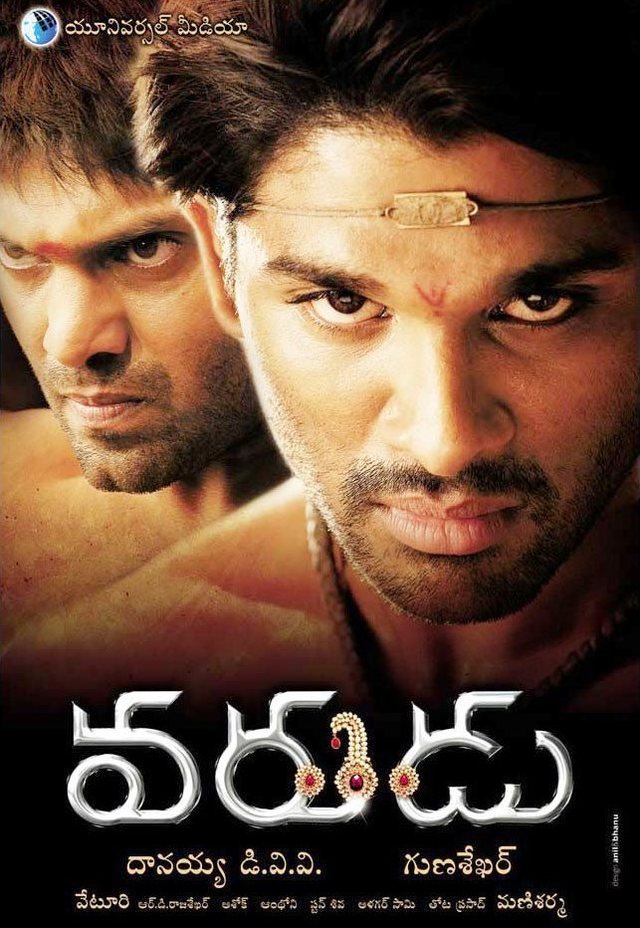
Sneha Ullal is an Indian actress born in Muscat, Oman, who has worked primarily in Telugu and Hindi cinema, best known for her roles opposite major stars in both industries. She made her Bollywood debut in Lucky: No Time for Love (2005) alongside Salman Khan, and won the Santosham Best Debut Actress Award for her Telugu debut in Ullasamga Utsahamga (2008). She gained significant commercial success with Telugu blockbusters Simha (2010) opposite Balakrishna and Varudu (2010), establishing herself as a leading actress in Telugu cinema. She has continued acting into the 2020s, appearing in Love You Loktantra (2022) and Saako (2025).
Career Milestones
Bollywood film debut opposite Salman Khan after being noticed for resemblance to Aishwarya Rai
View film →Telugu film debut; film became a commercial success
View film →Appeared in blockbuster Telugu film opposite Balakrishna
View film →Played lead role as Kavya in Telugu romantic film
View film →Publicly disclosed battle with autoimmune disease that caused extended career break
Iconic Roles
Lucky: No Time for Love
Sneha Ullal's debut role as the quiet, studious daughter of an Indian Ambassador's employee in Russia, opposite Salman Khan. The role launched her career and drew widespread comparisons to Aishwarya Rai.
Ullasamga Utsahamga
Her Telugu film debut role, which became a major hit and established her as a leading actress in Tollywood.
Ala Modalaindi
A well-received romantic drama role that further solidified her presence in Telugu cinema.
Defining Moments
Bollywood debut opposite Salman Khan — introduced in the song 'Sun Zara' and a pivotal escape sequence; her striking resemblance to Aishwarya Rai sparked nationwide media discussion and became the defining narrative of her entry into Hindi cinema
Her debut generated enormous buzz and established her as a recognisable face across India, though the Aishwarya Rai comparison ultimately shaped — and complicated — her entire career trajectory
View film →Telugu breakthrough performance as the female lead in this romantic comedy opposite Yasho Sagar; critics praised her natural screen presence and the film became a major commercial hit that relaunched her career
Marked her successful pivot to Telugu cinema after Bollywood struggles and is widely cited as the film that established her as a bankable Telugu heroine
View film →College abduction rescue scene as Janaki, where goons attempt to kidnap her and the hero's intervention becomes the emotional catalyst for their romance; part of a blockbuster that ran to packed houses
Her role alongside Nandamuri Balakrishna in one of Telugu cinema's biggest hits of 2010 is frequently cited as her highest-profile Telugu appearance and demonstrated her growth as an actress
View film →Dual-identity introduction as Kavya — first seen dancing glamorously in a club, then revealed to be a down-to-earth veterinary surgeon working with livestock; the contrast became a talked-about character beat in a beloved Telugu rom-com
The film became a cult Telugu romantic comedy for millennials, and Sneha Ullal's sharply contrasted Kavya is one of its most discussed supporting characterisations
View film →Lead role as Swapna opposite Allari Naresh in a commercially successful comedy; her pairing with Naresh was praised and the film's box-office run kept her visibility high in Telugu cinema through 2011
Consolidated her position as a reliable Telugu heroine in the early 2010s and is remembered as one of her more complete lead performances
View film →Sneha Ullal by the Numbers
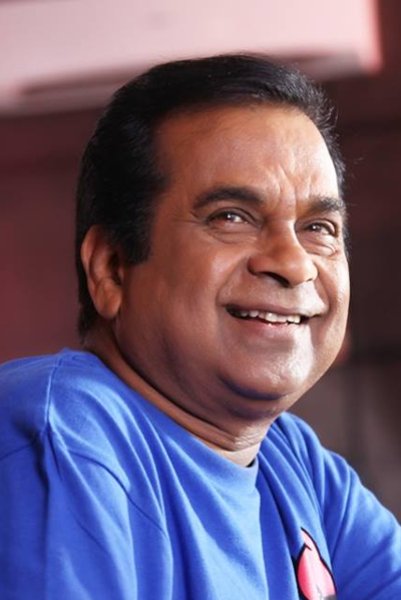
If you watched every Sneha Ullal film back-to-back, you'd be at it for roughly 1 day and 11h. Most-paired with Brahmanandam — 5 films together.
Filmography
See all 30 credits →



Collaboration Network
The Constellation
Top 10 most-paired collaborators. Bubble size and line thickness reflect how many films they share with Sneha Ullal.
Career Analytics
Language Distribution
Films by Decade
Top Co-Actors
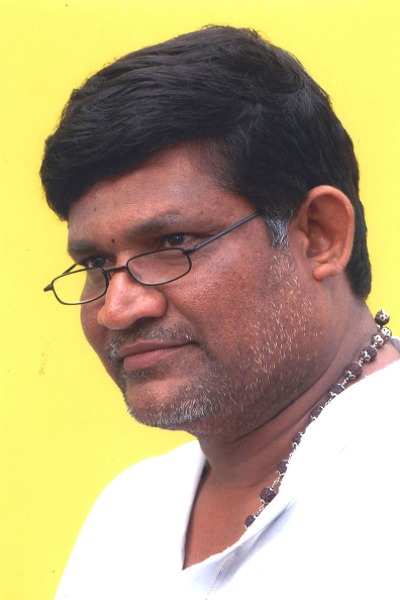
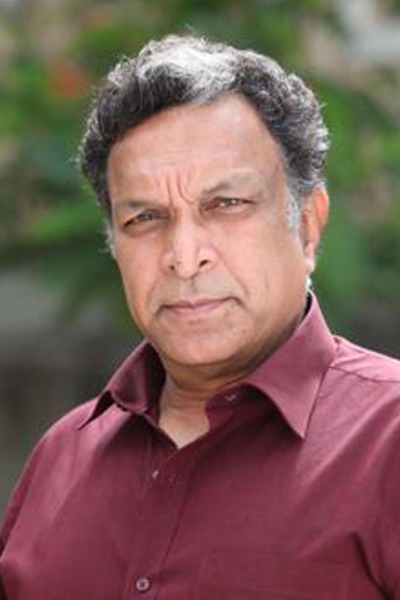
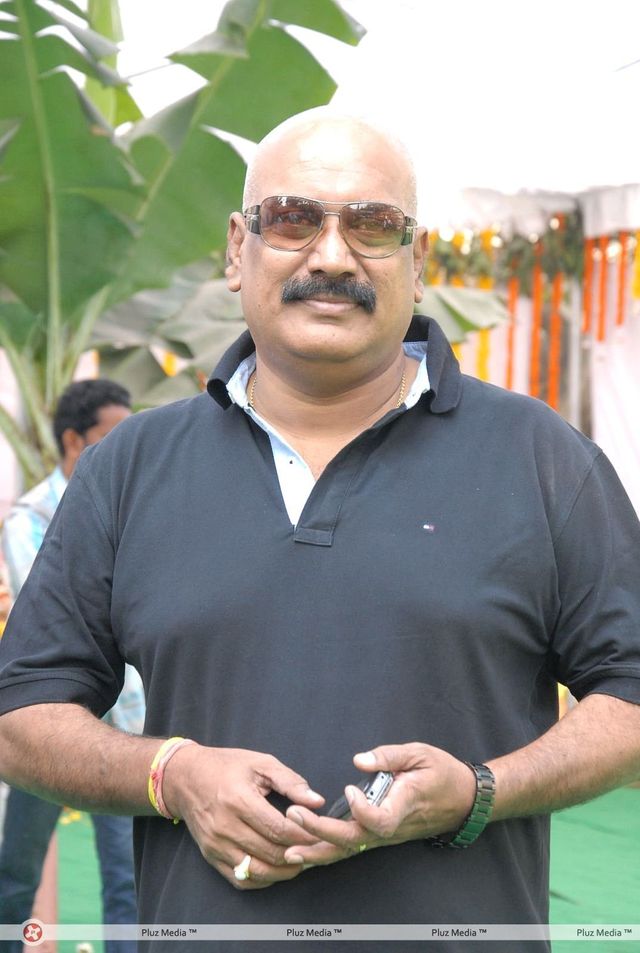
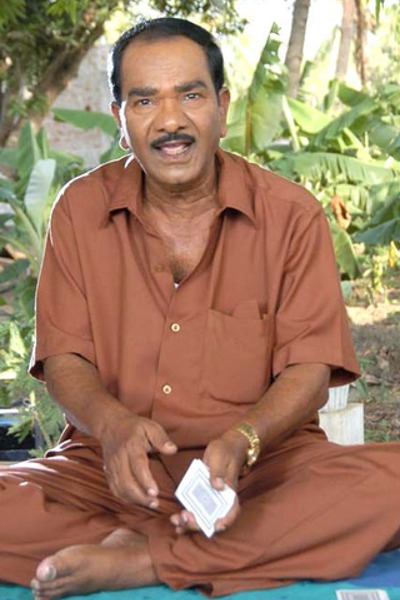
See all →Sneha Ullal has worked most frequently with Brahmanandam (5 films), Vidhya (3 films), Tanikella Bharani (2 films), Nayantara (2 films), and Nassar (2 films).



Did You Know?
Sneha Ullal made her acting debut in the 2005 Bollywood film 'Lucky: No Time for Love' opposite Salman Khan.
She is often noted for her resemblance to actress Aishwarya Rai Bachchan.
She primarily works in the Telugu film industry (Tollywood).
Her debut Telugu film was 'Ullasamga Utsahamga' in 2008.
She acted alongside Nandamuri Balakrishna in the 2010 film 'Simha'.
Legacy & Influence
Sneha Ullal's entry into Indian cinema was marked by immediate and intense public attention due to her striking resemblance to actress Aishwarya Rai, which became a defining, albeit challenging, aspect of her early career narrative. She made her debut in the Bollywood film 'Lucky: No Time for Love' (2005), which, while commercially successful, framed her within this comparative context. Seeking to establish her own identity, she strategically transitioned to Telugu cinema (Tollywood), where she found more substantial opportunities. Her role in the romantic comedy 'Ullasamga Utsahamga' (2008) was a significant step, endearing her to the Telugu audience and demonstrating her capability in mainstream commercial fare. This was followed by a notable performance in the blockbuster 'Simha' (2010) opposite Nandamuri Balakrishna, a film that solidified her presence in the industry and showcased her in a strong, pivotal role that resonated with mass audiences. While her filmography in the subsequent years was selective and included films like 'Current' (2009) and 'Madatha Kaja' (2011), her contribution lies in her successful navigation from a Bollywood debutant burdened by comparisons to a recognized actress in the South Indian film industry. She carved a niche for herself in early 21st-century Telugu cinema, appearing in a string of films during a key period of industry growth. Her career trajectory represents a case study in managing early typecasting and leveraging regional cinema to build a sustained, though modest, career. She is remembered as a popular leading lady of her time in Tollywood, contributing to the commercial landscape with her performances in successful entertainers.