Vithika Sheru
Vithika Sheru is an Indian actor, best known for Tamil cinema. Vithika Sheru began their career in 2010 and has been a prominent figure in the industry for over 16 years. With 30 credits to their name, Vithika Sheru remains one of the most prolific and celebrated talents in the industry. Vithika Sheru is one of the most closely watched talents of their generation, with a rapidly growing body of acclaimed work.
- Born
- Age
- 32
Biography
Vithika Sheru is a Telugu cinema actress born on February 2, 1994, in Bhimavaram, Andhra Pradesh, who began her career as a child artist in Telugu television at age 11 before making her film debut in the Kannada film Anthu Inthu Preethi Banthu (2008). She is best known for her leading role in Prema Ishq Kaadhal (2013) and also appeared in Jhummandi Naadam (2010), Paddanandi Premalo Mari (2015) — opposite Varun Sandesh, whom she later married — and Pelli SandaD (2021) as Janaki. For the Tamil film Uyir Mozhi (2014), she prepared to play a visually challenged character by learning Braille and spending extended periods blindfolded. She gained wider public recognition as a contestant on Bigg Boss Telugu 3 (2019), and also works as a content creator and fashion designer, having designed costumes for several of her own films.
Career Milestones
Film debut in Telugu cinema
View film →First lead role in Telugu film
View film →Appeared in Mahabalipuram as Mahalakshmi
View film →Contestant on Bigg Boss Telugu Season 3
Role in Pelli SandaD as Sahasra's Sister
View film →Iconic Roles
Paddanandi Premalo Mari
Lead role opposite Varun Sandesh, balancing traditional and modern attributes; a career-defining performance that led to her real-life marriage with her co-star.
Prema Ishq Kaadhal
College student role in this Telugu anthology film, considered her breakthrough performance in Telugu cinema.
Mahabalipuram
Her best-recognized Tamil film role, expanding her presence beyond Telugu cinema.
Pelli SandaD
Supporting role in this family-oriented musical romantic comedy, marking her return to the screen.
Defining Moments
Debut performance as a supporting actress in the musical drama, showcasing her natural screen presence alongside established stars in a coming-of-age narrative
Her first film role that introduced her to Telugu cinema audiences and demonstrated her ability to hold her own in a major production
View film →Lead role performance as a college student navigating romance, for which she also handled her own costume styling — a dual contribution rarely seen from newcomers
Her breakthrough lead role in Telugu cinema; the film gave her recognition as a capable lead actress and her costume design involvement showed creative range
View film →Playing Shravani, a character described as 'both traditional and modern,' whose shifting personality across situations required nuanced performance
Consolidated her status as a lead actress; she again designed her own costumes, reinforcing her identity as an actor with strong creative ownership of her roles
View film →Vithika Sheru by the Numbers
If you watched every Vithika Sheru film back-to-back, you'd be at it for roughly 11 hours. Most-paired with Manchu Manoj — 2 films together.
Filmography
See all 30 credits →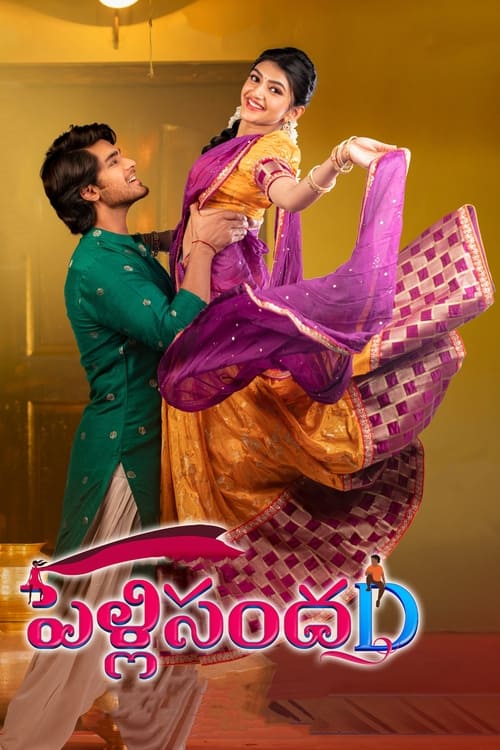


Collaboration Network
The Constellation
Top 3 most-paired collaborators. Bubble size and line thickness reflect how many films they share with Vithika Sheru.
Career Analytics
Genre Breakdown
Language Distribution
Films by Decade
Top Co-Actors
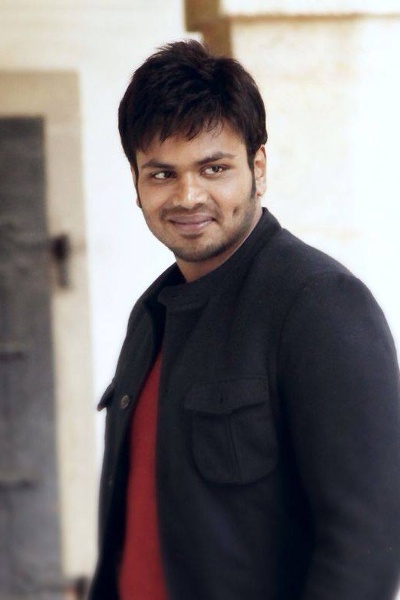
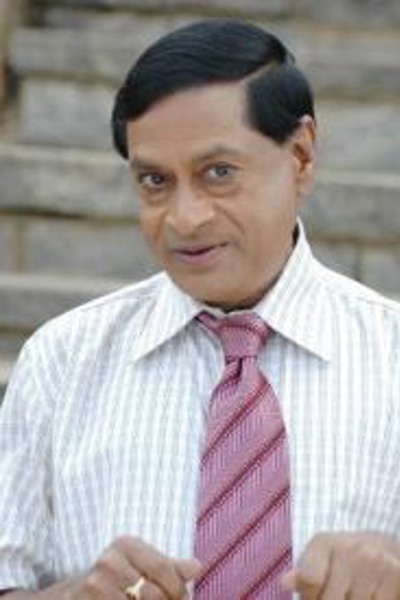
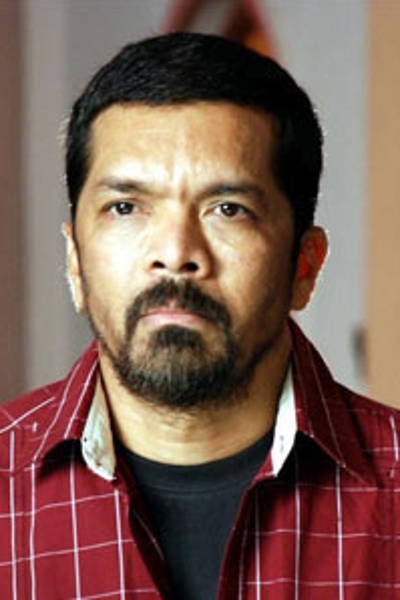
See all →Vithika Sheru has worked most frequently with Manchu Manoj (2 films), M. S. Narayana (2 films), and Posani Krishna Murali (2 films).
Legacy & Influence
Vithika Sheru is a Telugu film actress whose career in Indian cinema, while not extensively documented in mainstream sources, represents the journey of a supporting artist within the regional film industry. Her filmography, primarily in Telugu cinema during the early to mid-2010s, consists of roles in films such as 'Jhummandi Naadam' (2010), 'Prema Ishq Kaadhal' (2013), 'Paddanandi Premalo Mari' (2015), and 'Mahabalipuram' (2015). Her contribution lies in her participation in these productions, which were part of the broader ecosystem of Telugu cinema that produces a high volume of films annually, ranging from major commercial ventures to smaller-scale dramas and romantic narratives. Actors like Sheru form an essential component of this industry, filling character and supporting roles that complete the narrative fabric of these movies. Her trajectory appears to have been focused on this supporting capacity, with her most notable credited role being as Mahalakshmi in 'Mahabalipuram'. The limited public information and critical discourse around her specific performances indicate a career that did not transition into leading roles or garner major industry awards that are widely recorded. Therefore, her impact is best understood as part of the collective workforce of actors who contribute to the depth and variety of regional cinema, rather than as an individual figure who singularly influenced cinematic trends or styles. Her work remains a testament to the many artists who build their careers in the supporting tiers of India's prolific film industries.