Ramesh Varma
Ramesh Varma is an Indian director, best known for Tamil cinema. Ramesh Varma began their career in 2005 and has been a prominent figure in the industry for over 21 years. With 30 credits to their name and an average audience rating of 6.9, Ramesh Varma remains one of the most prolific and celebrated talents in the industry. Spanning 20+ years, Ramesh Varma's career remains one of the longest and most celebrated in Tamil cinema.
- Born
- Age
- 47
Biography
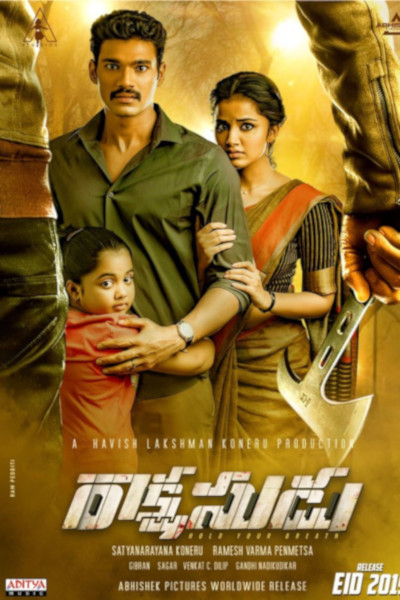
Penmetsa Ramesh Varma is a Telugu cinema director, screenwriter, and producer from Bhimavaram, Andhra Pradesh, best known for his action and thriller films. He made his directorial debut with Oka Oorilo (2005) and later directed Veera (2011) starring Ravi Teja and Khiladi (2022). He wrote the screenplay for the suspense thriller Rakshasudu (2019) starring Bellamkonda Srinivas, one of the more notable Telugu thrillers of that year. Before entering filmmaking, he worked as a publicity designer running a poster advertisement firm, bringing a strong visual sensibility to his projects.
Career Milestones
Directorial debut with Oka Oorilo
Directed Veera, a major commercial action film starring Ravi Teja
View film →Directed Abbayitho Ammayi, a romantic drama
Breakthrough with Rakshasudu, a Telugu remake of Tamil hit Ratsasan — widely praised psychological thriller
View film →Directed Khiladi, a high-concept crime thriller starring Ravi Teja
View film →Defining Moments
Red herring teacher subplot in the first half — a schoolteacher is set up as the prime suspect, completely misleading the audience before the real killer is revealed
Widely praised as a masterclass in misdirection; critics cited it as a standout example of how to execute a red herring in Telugu thriller cinema, elevating the genre's standards
View film →Serial killer's reveal and face-off with the protagonist — the moment the killer's identity is unmasked after a slow-burn investigation involving mutilated dolls left near victims' homes
The film's most talked-about sequence; earned Rakshasudu a 7.9 on IMDb and defined Ramesh Varma's reputation as a suspense craftsman capable of sustaining tension across a full narrative
View film →Rajeev Kanakala's emotional breakdown scene when his daughter is kidnapped — a raw, unscripted-feeling performance that grounded the thriller's horror in human grief
Frequently singled out by critics as the film's most emotionally resonant moment, showing Varma's ability to balance procedural thriller tension with genuine character pathos
View film →Pre-interval twist in Khiladi where the protagonist Gandhi's true identity is exposed to Pooja, reframing the entire first half
Cited as the film's strongest moment — reviewers across outlets noted the interval bang as the standout highlight, demonstrating Varma's signature multi-layer deception storytelling
View film →Ramesh Varma by the Numbers
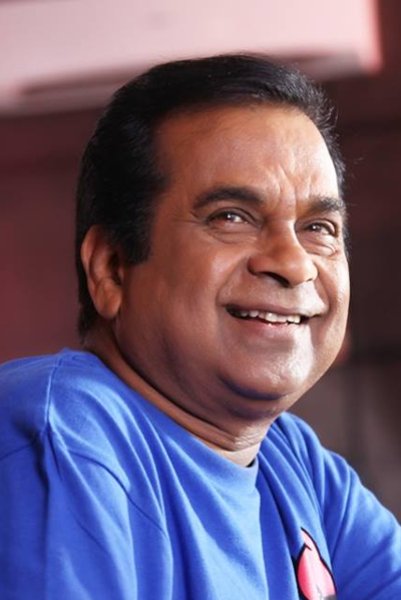
If you watched every Ramesh Varma film back-to-back, you'd be at it for roughly 11 hours. Most-paired with Brahmanandam — 2 films together.
Filmography
See all 30 credits →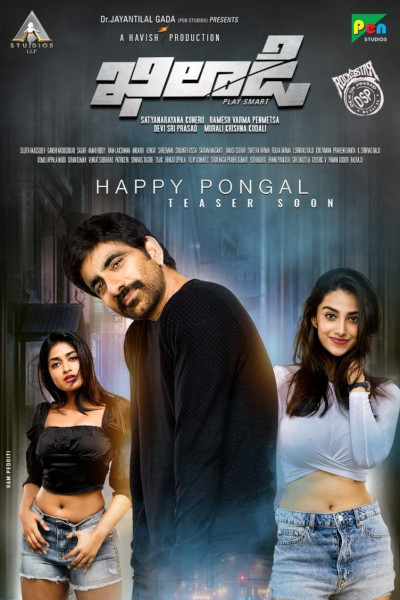

Collaboration Network
The Constellation
Top 3 most-paired collaborators. Bubble size and line thickness reflect how many films they share with Ramesh Varma.
Career Analytics
Genre Breakdown
Language Distribution
Films by Decade
Top Co-Actors
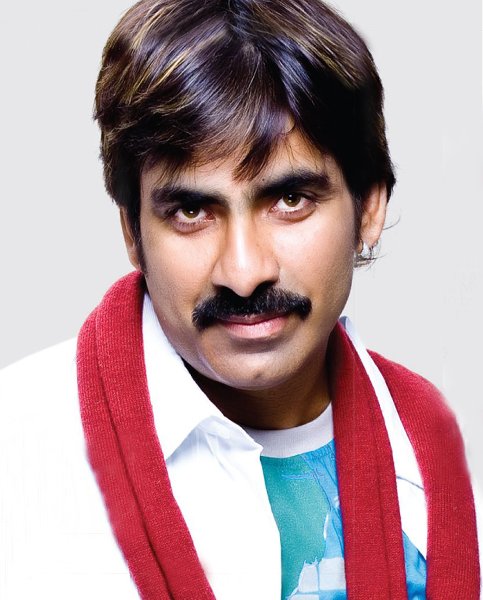
See all →Ramesh Varma has worked most frequently with Brahmanandam (2 films), Ravi Teja (2 films), and Keshav Deepak (2 films).

Legacy & Influence
Ramesh Varma is a recognized figure in Telugu cinema, primarily known for his work as a screenwriter and dialogue writer. His career trajectory is marked by a significant and enduring collaboration with director S.S. Rajamouli, contributing to some of the most monumental films in Indian cinematic history. Varma's primary contribution lies in his adept screenplay writing, which has been instrumental in structuring the grand narratives and epic scale for which Rajamouli's films are celebrated. He co-wrote the screenplay for the groundbreaking two-part epic "Baahubali: The Beginning" (2015) and "Baahubali: The Conclusion" (2017), films that redefined box office benchmarks, visual storytelling, and pan-Indian appeal. His work on these films involved crafting intricate plotlines, character arcs, and the seamless integration of mythology-inspired fantasy with high-stakes drama, which played a crucial role in their nationwide success. He further solidified this partnership by working on the global phenomenon "RRR" (2022), contributing to its screenplay which masterfully blended historical fiction with revolutionary fervor and spectacular action. Varma's writing style is characterized by a strong foundational plot structure that supports elaborate visual set-pieces and emotional depth. His collaborations have been central to creating a new paradigm for Indian commercial cinema, demonstrating that stories rooted in indigenous themes, when executed with technical brilliance and narrative precision, can achieve unprecedented domestic and international acclaim. Through these key films, Ramesh Varma has established himself as a vital creative force behind the modern Telugu and Indian cinema's ascent to global recognition, influencing a generation of filmmakers to aspire for larger-than-life storytelling grounded in compelling screenplays.