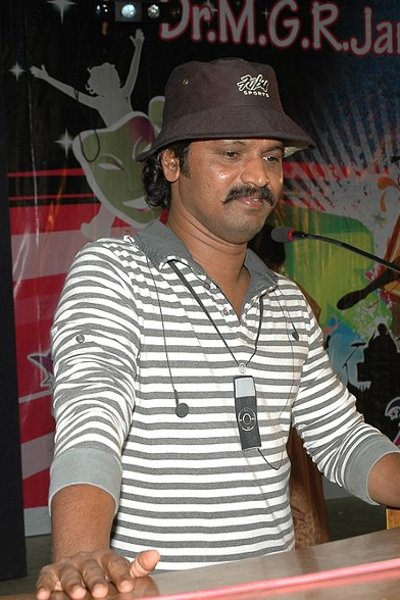
Cheran
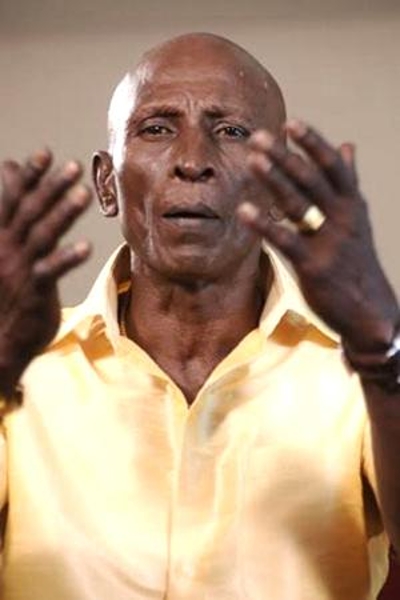
Cheran is an Indian actor, best known for Tamil cinema. Cheran began their career in 1997 and has been a prominent figure in the industry for over 29 years. With over 60 credits to their name and an average audience rating of 6.3, Cheran remains one of the most prolific and celebrated talents in the industry. Spanning 20+ years, Cheran's career remains one of the longest and most celebrated in Tamil cinema.
- Born
- Age
- 55
Biography
Cheran is an Indian film director from Madurai, Tamil Nadu. He is a three time National Film Award winner for Vetri Kodi Kattu (2000), Autograph (2004) and Thavamai Thavamirundhu (2005). He has also won four Tamil Nadu State Film Awards and five South Filmfare Awards in the Best Director category.
Career Milestones
Directorial debut with Bharathi Kannamma, a village drama that received critical acclaim and commercial success
Won National Film Award for Best Film on Other Social Issues
Won National Film Award for Best Popular Film Providing Wholesome Entertainment; film screened at Montreal World Film Festival
View film →Won National Film Award for Best Film on Family Welfare
View film →Became a four-time National Award winner, one of Tamil cinema's most decorated director-actors with five Tamil Nadu State Film Awards and six South Filmfare Awards
Iconic Roles
Autograph
A semi-autobiographical character who revisits three women from his past while journeying to his own wedding. Cheran's breakthrough acting role, winning the National Award for Best Popular Film.
Thavamai Thavamirundhu
A devoted son navigating family relationships and Tamil cultural values. The film won the National Award for Best Film on Family Welfare, cementing Cheran's reputation for emotionally grounded family dramas.
Yuddham Sei
A detective/investigative character in Mysskin's psychological thriller, a departure from Cheran's usual family-drama roles. He won the Jaya TV Award for Best Actor for this performance.
Pirivom Santhippom
An engineer with the State Electricity Board in this family drama, portraying the quiet, responsible everyman archetype Cheran became known for in Tamil cinema.
Defining Moments
Vetri Kodi Kattu's portrayal of rural youth scammed by fake job offers — Cheran's direction captured the desperation and betrayal felt by Tamil villagers lured by fraudulent city employment schemes, grounding the film in social realism.
Won Cheran his first National Film Award and established his identity as a socially conscious filmmaker. The film's unflinching look at globalisation's impact on rural Tamil Nadu set the template for his subsequent career.
Senthil's train journey of nostalgia — the protagonist travels across Tamil Nadu to personally invite old friends to his wedding, triggering a series of long, emotionally rich flashbacks about his school romances and formative friendships. The structure itself became iconic in Tamil cinema.
The film's semi-autobiographical flashback structure was a radical departure from conventional Tamil cinema. It won the National Award for Best Popular Film and became a cult classic, screened four times at the Montreal Film Festival — an honour shared only with Kamal Haasan and Mani Ratnam.
View film →Divya's suicide revelation — Divya confesses to Senthil that she once attempted suicide after a love failure, a quietly devastating scene that recontextualises her entire cheerful persona and marks Senthil's emotional turning point.
Widely cited as the emotional spine of the film, this scene exemplifies Cheran's signature style of revealing depth through restraint. It cemented Autograph as a landmark in realistic Tamil romantic drama.
View film →The foot scars scene — the son tenderly examines the scarred soles of his aging father's feet, which are worn down from years of cycling to work and operating traditional printing machines to fund his sons' education.
Considered one of the most quietly powerful images of parental sacrifice in Tamil cinema. The scene became a cultural touchstone for middle-class family values and is widely quoted in discussions of the film.
View film →Hospital climax — Cheran's character breaks down in tears at his dying father Muthaiah's bedside, shot in monochromatic visuals that heighten the raw grief. Rajkiran's performance alongside Cheran's emotional collapse made this sequence unforgettable.
Frequently cited in reviews as the film's emotional peak. The film won the National Award for Best Film on Family Welfare, and this climax is central to its reputation as one of Tamil cinema's finest family dramas.
View film →Cheran by the Numbers
If you watched every Cheran film back-to-back, you'd be at it for roughly 3 days and 23h. Most-paired with Rajendran — 4 films together.
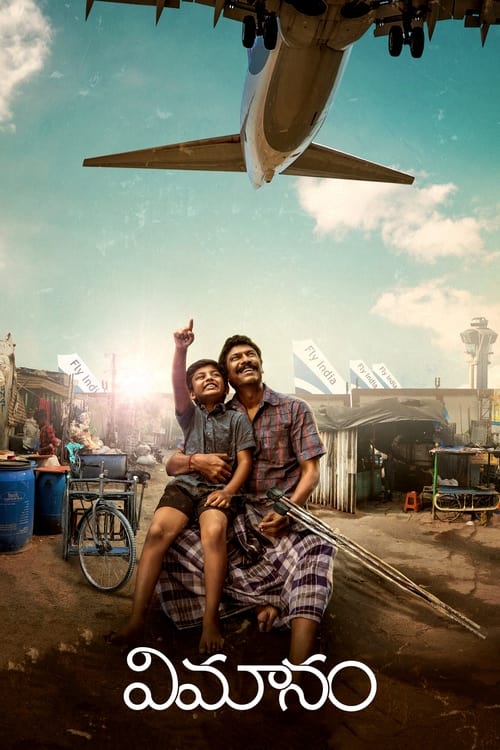
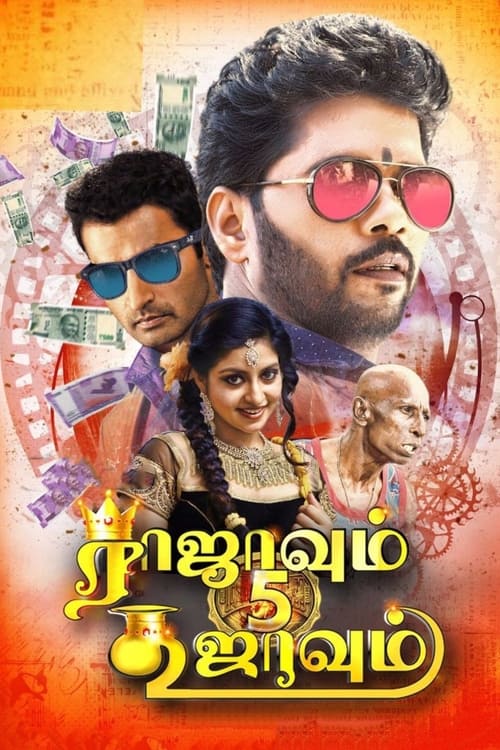
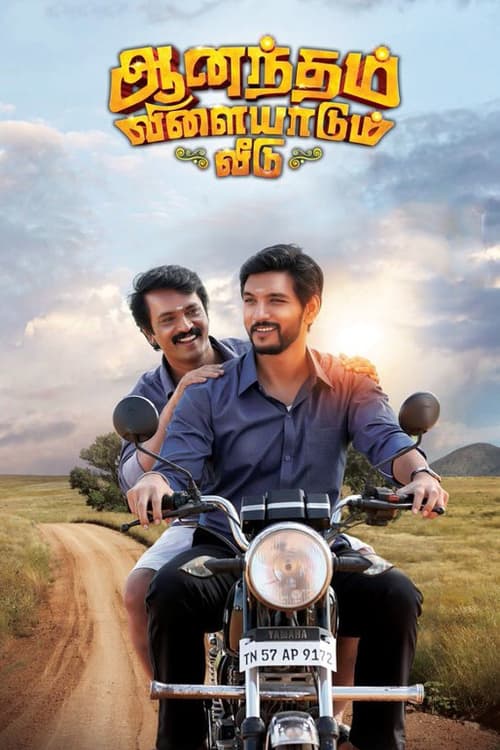
Filmography
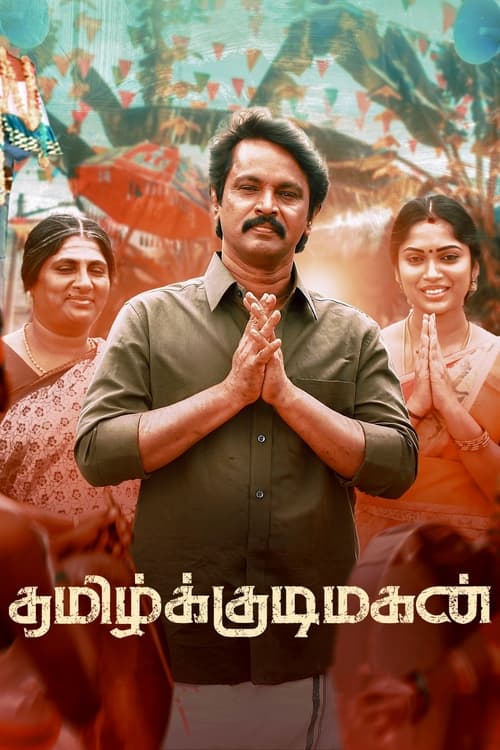
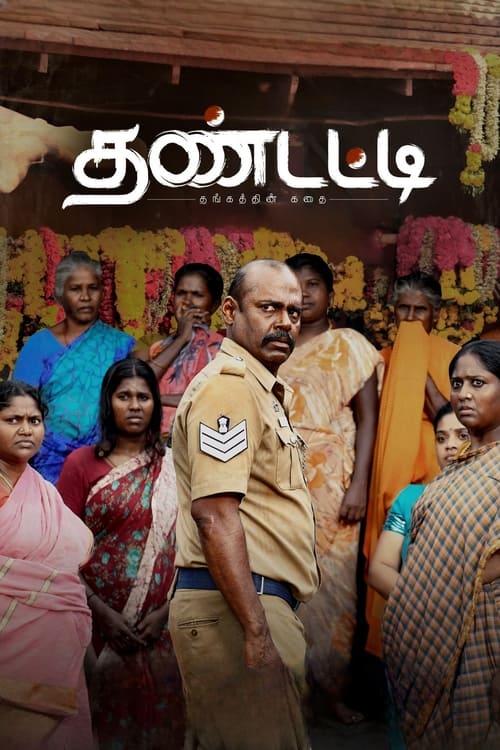
See all 60 credits →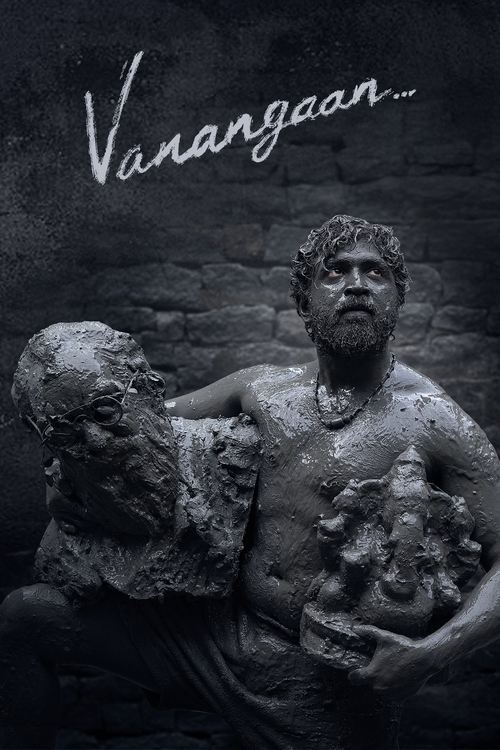






Collaboration Network
The Constellation
Top 10 most-paired collaborators. Bubble size and line thickness reflect how many films they share with Cheran.
Career Analytics
Genre Breakdown
Language Distribution
Films by Decade
Top Co-Actors
See all →Cheran has worked most frequently with V. Z. Durai (2 films), Rajendran (4 films), Jayaprakash (3 films), Thambi Ramaiah (3 films), and Pasupathy (3 films).








Did You Know?
Cheran is known for making realistic films that often focus on middle-class family life and social issues in Tamil Nadu.
He made his directorial debut with the film 'Bharathi Kannamma' in 1997.
His film 'Autograph' (2004) was a critical and commercial success, celebrated for its non-linear narrative and emotional depth.
Cheran is also an actor and has acted in several of his own films as well as in films by other directors.
He is the founder of the production company 'Cheran Films'.
Photos
See all →

News & Stories
Cheran once again turns into a director
5/7/2018
Cheran bounces back as an actor
14/2/2018
‘I requested Rajini to talk about GST.’ Says director Cheran
5/7/2017
Legacy & Influence
Cheran is a significant figure in Tamil cinema, renowned for pioneering and sustaining the 'middle-class cinema' movement. His career trajectory began with his directorial debut, 'Bharathi Kannamma' (1997), but it was with 'Vetri Kodi Kattu' (2000) that he established his signature style, winning a National Film Award for its authentic portrayal of rural life and social issues. Cheran's greatest contribution lies in his trilogy of films—'Autograph' (2004), 'Thavamai Thavamirundhu' (2005), and 'Pokkisham' (2009)—which are celebrated for their profound emotional depth, realistic storytelling, and focus on familial bonds, love, and societal values. 'Autograph,' in particular, is considered a landmark film for its innovative narrative structure, intertwining three love stories across generations, and its critical and commercial success proved the viability of content-driven cinema without reliance on established stars or commercial tropes. His films are characterized by naturalistic dialogue, relatable characters drawn from everyday life, and a strong moral core, often highlighting Tamil culture and traditions. While his later directorial ventures saw varying box office success, his early 2000s work remains highly influential, inspiring a wave of filmmakers to explore grounded, realistic subjects. Cheran's legacy is that of an auteur who carved a distinct space for heartfelt, socially conscious storytelling in mainstream Tamil cinema, earning him a dedicated audience and critical acclaim, including multiple National Film Awards for his direction.