Madan
Madan is an Indian director, best known for Tamil cinema. Madan began their career in 2006. With 30 credits to their name and an average audience rating of 6.0, Madan remains one of the most prolific and celebrated talents in the industry. Madan is one of the most closely watched talents of their generation, with a rapidly growing body of acclaimed work.
Biography
Madan (Ramigani Madan Mohan Reddy) was a Telugu film director, screenwriter, and producer from Madanapalle, Andhra Pradesh, best known for his work in Telugu cinema across the 2000s and 2010s. He gained recognition as the screenwriter of Aa Naluguru (2004), which won three Andhra Pradesh State Nandi Awards including Best Film, before making his directorial debut with the romantic hit Pellaina Kothalo (2006) starring Jagapathi Babu and Priyamani. His directorial style favored romantic and action drama genres, with films like Gunde Jhallumandi (2008) and Garam (2016, starring Aadi and Adah Sharma) reflecting a consistent focus on youth-oriented Telugu narratives. Madan passed away on November 19, 2022, in Hyderabad following a stroke, leaving behind a body of work that spanned writing, direction, and production under his banner Aa Naluguru Films.
Career Milestones
Screenplay debut with Aa Naluguru, earning Nandi Awards for Best Film
Directorial debut as writer-producer-director
View film →Directed Garam starring Aadhi Pinisetty
View film →Madan by the Numbers
If you watched every Madan film back-to-back, you'd be at it for roughly 9 hours. Most-paired with Jagapathi Babu — 2 films together.
Filmography
See all 30 credits →


Collaboration Network
The Constellation
Top 4 most-paired collaborators. Bubble size and line thickness reflect how many films they share with Madan.
Career Analytics
Language Distribution
Films by Decade
Top Co-Actors
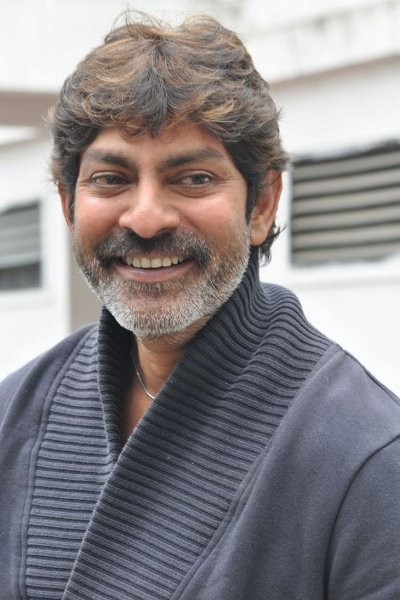
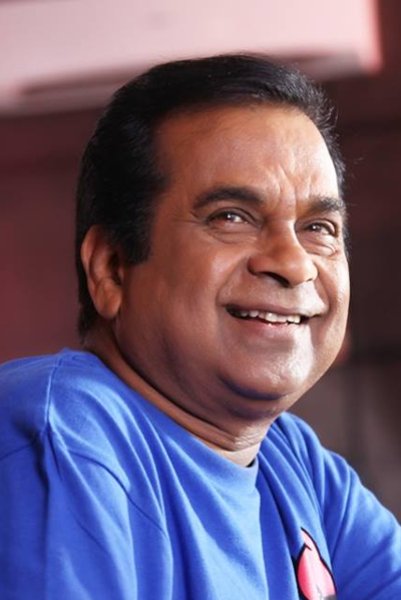
See all →Madan has worked most frequently with Jagapathi Babu (2 films), Priyamani (2 films), Brahmanandam (2 films), and Agasthya (2 films).


Legacy & Influence
Madan, a pioneering figure in early Indian cinema, is best known for establishing the Madan Theatres chain, which became the largest film production and distribution network in India during the silent era and early talkies. His primary contribution was industrial and infrastructural, fundamentally shaping the business and exhibition landscape of Indian movies. Beginning in Calcutta (now Kolkata), he imported advanced film technology and projectors, building a vast empire of cinema halls across the country. This network was crucial for the nationwide distribution and popularization of films, helping to create a mass audience for the medium. Madan Theatres was also a major production house, producing numerous successful films, including early talkies like 'Jamai Sasthi' (1931) and 'Alam Ara' (1931), the latter famously recognized as India's first full-length sound film. His company adapted popular Parsi theatre plays and mythological stories, setting early narrative templates. By vertically integrating production, distribution, and exhibition, Madan created a model for the modern Indian film industry. His influence waned with the rise of studios in Bombay and the economic pressures of the 1930s, but his work in building exhibition infrastructure and proving the viability of large-scale film business left an indelible mark. He is remembered not as a creative artist but as a visionary industrialist whose groundwork was essential for the commercial expansion and consolidation of Indian cinema.