Seeman
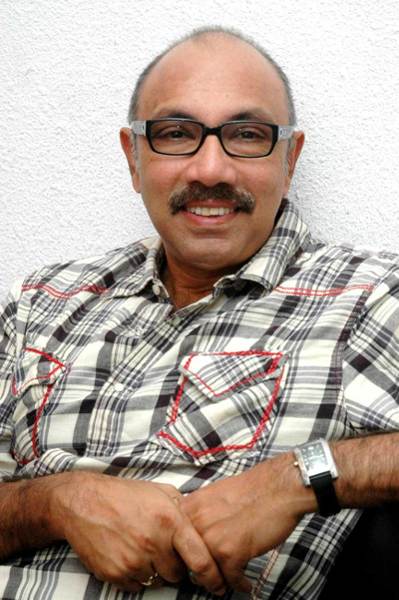
Seeman is an Indian actor, best known for Tamil cinema. Seeman began their career in 1994. With 30 credits to their name and an average audience rating of 6.0, Seeman remains one of the most prolific and celebrated talents in the industry. Spanning 30+ years, Seeman's career remains one of the longest and most celebrated in Tamil cinema.
Iconic Roles
Pallikoodam
Critically acclaimed supporting role in this Tamil drama directed by Thangar Bachan, noted as one of Seeman's well-received early acting performances.
Pori
Seeman's acting debut role, playing a Malaysian businessman in this ensemble Tamil film, marking his transition from director to actor.
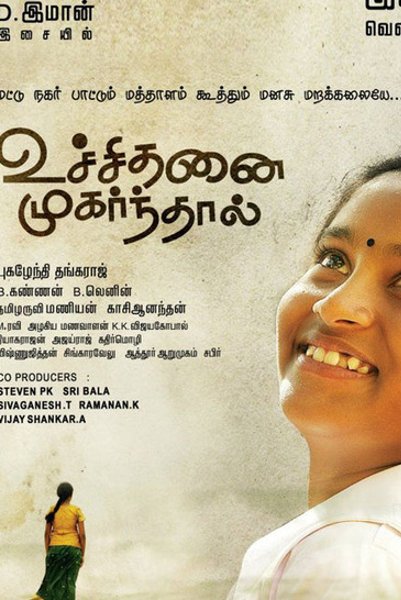
Uchithanai Muharnthaal
Antagonist role where Seeman played a ruthless opponent to the protagonist, one of his more prominently discussed supporting characters in Tamil films.
Defining Moments
Seeman's directorial breakthrough with Thambi — a vigilante drama where protagonist Thambi carries a stranger's ailing mother and runs her to the hospital, revealing his selfless character to the villain Sankara Pandian, who then has a change of heart.
Seeman's most acclaimed directorial effort starring Madhavan; this emotionally charged scene is widely cited as the film's moral centerpiece and the moment that defined Seeman's style as a humanist filmmaker.
Seeman's acting debut as Mahadevan, a Malaysian businessman, marking his transition from director to character actor in Tamil cinema.
Defined the pivot in his career — after struggling to find producers for directing projects post-Thambi, he reinvented himself as a reliable supporting actor.
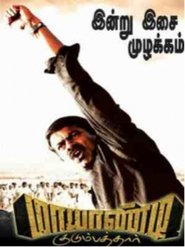
View film →Seeman appears in Manivannan's landmark 50th and final directorial film alongside Sathyaraj in a political satire ensemble, lending his presence to a piece of Tamil cinema history.
Being part of veteran director Manivannan's swan song is itself a defining moment — the film is remembered as a tribute to classic Tamil political satire.
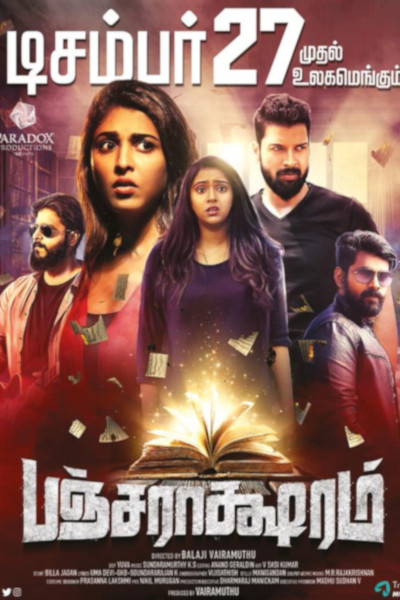
View film →Seeman plays a credible and menacing villain, bringing gravitas to the supernatural thriller through restrained yet threatening screen presence.
Reviewers specifically called out Seeman as a 'very credible baddie,' marking his most praised acting performance and showing his range beyond directorial work.
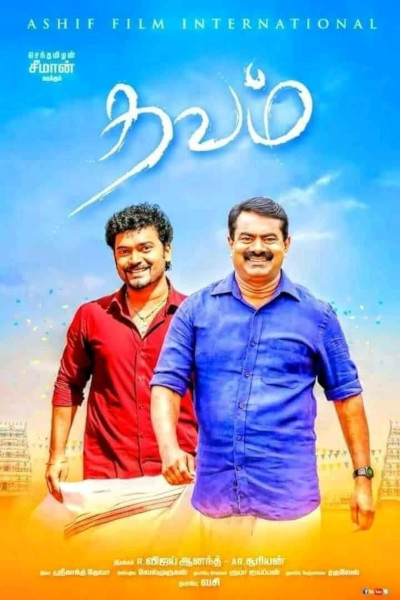
View film →Seeman takes on a lead role in Thavam as one of three friends reunited after two decades, with one seeking revenge — a more dramatically demanding performance than his typical supporting work.
Represents Seeman's most substantial acting role as a lead, demonstrating his evolution from background character actor to central dramatic performer.
View film →Seeman by the Numbers
If you watched every Seeman film back-to-back, you'd be at it for roughly 2 days and 1h. Most-paired with Sangeetha — 4 films together.
Filmography
See all 30 credits →
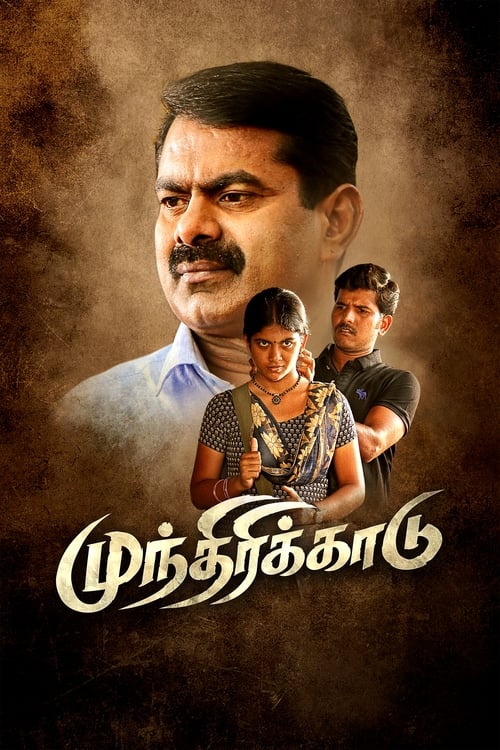

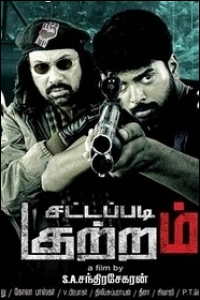
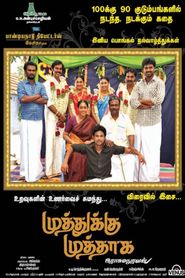

Collaboration Network
The Constellation
Top 9 most-paired collaborators. Bubble size and line thickness reflect how many films they share with Seeman.
Career Analytics
Genre Breakdown
Language Distribution
Films by Decade
Top Co-Actors
See all →Seeman has worked most frequently with Rasu Madhuravan (2 films), Sangeetha (4 films), Sathyaraj (3 films), Singampuli (3 films), and Oviya (2 films).



Legacy & Influence
Seeman is a significant figure in Tamil cinema, primarily recognized for his work as a director and screenwriter, with a distinct career trajectory that has shaped his contribution to the industry. Emerging in the 1990s, he established himself as a filmmaker with a strong socio-political voice, often weaving narratives around Dravidian ideology, social justice, and working-class struggles. His directorial debut, 'Pudhiya Mannargal' (1994), set the tone for his filmography, which is characterized by its ideological underpinnings and focus on systemic oppression. While he has acted in several films, including 'Pallikoodam' and 'Thavam', his primary impact stems from his writing and direction. Films like 'Veeramum Eeramum' and 'Periyar' are notable for their explicit political commentary and biographical focus on reformist figures. His filmmaking style often prioritizes message over mainstream commercial conventions, carving a niche audience. This has positioned him as a polarizing but influential voice in Tamil cinema, contributing films that spark public discourse on caste, governance, and historical narratives. His work extends beyond entertainment, aiming to educate and mobilize viewers on specific ideological fronts, thereby influencing a segment of political cinema in the region. His career reflects a consistent commitment to using the medium as a tool for social and political expression, making him a distinctive presence whose films are studied for their content and context within Tamil Nadu's cultural-political landscape.