B.V. Ramana
B.V. Ramana is an Indian director, best known for Tamil cinema. B.V. Ramana began their career in 2004. With 30 credits to their name and an average audience rating of 6.5, B.V. Ramana remains one of the most prolific and celebrated talents in the industry. An emerging voice in Tamil cinema, B.V. Ramana is already attracting significant attention for their distinctive work.
Biography
B.V. Ramana is a Telugu film director and screenwriter who worked primarily in Telugu cinema during the 2000s, known for directing commercial action and drama films. His 2004 directorial Gowri, starring Sumanth and Charmme Kaur, was a remake of the Tamil film Thirumalai and became a box office hit, later dubbed into Hindi as The Gunda. He also directed Ontari (2008), a psychological thriller featuring Gopichand and Bhavana about a man named Vamsi on a path of revenge, produced under Ee Taram Films banner. His filmography spans from the late 1990s through the 2000s, including titles such as Paape Naa Pranam (1998), Ela Cheppanu (2003), and Premante Inthe (2006).
Career Milestones
Directorial debut with Gowri, a Telugu remake of Tamil hit Thirumalai — received positive reviews and was a box office success
View film →Directed Premante Inthe, further establishing his presence in Telugu cinema
Directed Ontari, a psychological thriller starring Gopichand exploring schizophrenia and vengeance
View film →B.V. Ramana by the Numbers
If you watched every B.V. Ramana film back-to-back, you'd be at it for roughly 4 hours. Most-paired with Raghu Babu — 2 films together.
Filmography
See all 30 credits →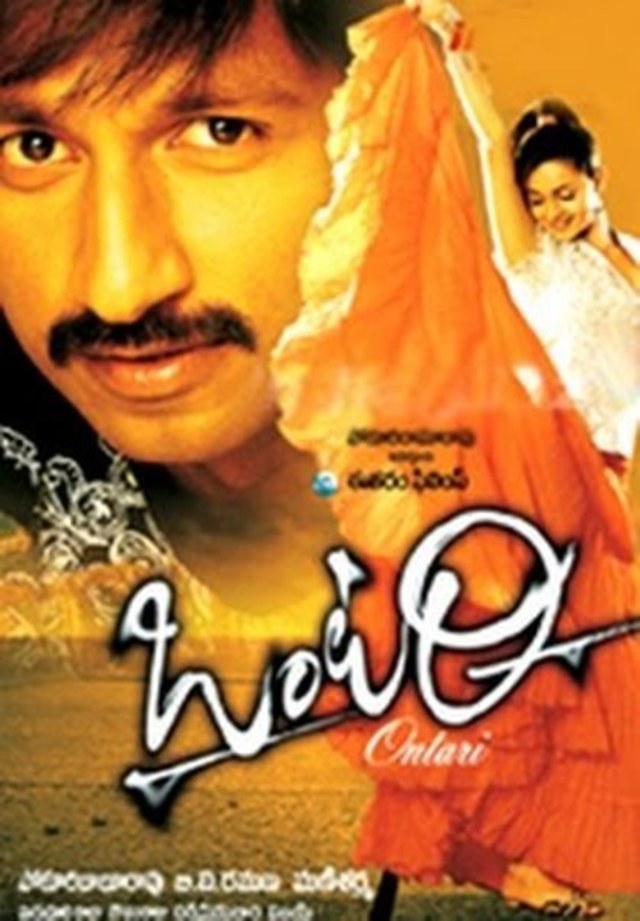
Collaboration Network
Career Analytics
Language Distribution
Films by Decade
Top Co-Actors
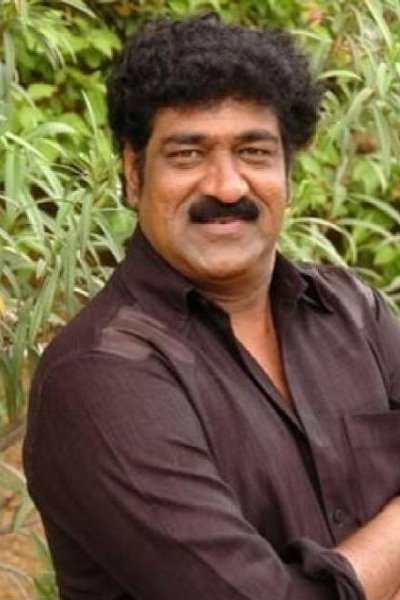
See all →B.V. Ramana has worked most frequently with Raghu Babu (2 films).
Legacy & Influence
B.V. Ramana was a significant figure in Telugu cinema, primarily known as a screenwriter and director during the mid-20th century. His career trajectory is marked by his prolific collaboration with major studios and stars of the era, contributing to the foundational years of the Telugu film industry. He is most prominently recognized for his work as a writer and director on the 1955 mythological film 'Shri Krishna Pandaveeyam', a major production starring N.T. Rama Rao and Akkineni Nageswara Rao. This film, based on episodes from the Mahabharata, was a notable commercial and critical success, exemplifying the popular genre of mythological storytelling that defined a large segment of Indian cinema at the time. Ramana's contribution lies in his ability to craft narratives that resonated with contemporary audiences while drawing from deep cultural and religious sources. His filmography, though not extensively documented in modern sources, includes other works such as 'Pelli Chesi Choodu' (1952) where he served as a writer, a film celebrated for its social themes and comedy. Through these screenplays, Ramana participated in shaping the narrative conventions of Telugu cinema, balancing entertainment with moral and social commentary. His directorial efforts, particularly in the mythological genre, helped standardize a visual and narrative language for such epics on screen, influencing how sacred texts were adapted for mass audiences. While specific awards and the full scope of his filmography are not widely verified in accessible records, his consistent association with high-profile projects and leading actors of the 1950s underscores his respected position within the industry's professional circles. His work remains a part of the historical fabric of Telugu cinema's golden age, representing the collaborative efforts of writers and directors who built the industry's early repertoire without always achieving individual superstar status.