M. M. Srilekha
M. M. Srilekha is an Indian composer, best known for Tamil cinema. M. M. Srilekha began their career in 1995. With 30 credits to their name, M. M. Srilekha remains one of the most prolific and celebrated talents in the industry. Spanning 30+ years, M. M. Srilekha's career remains one of the longest and most celebrated in Tamil cinema.
Biography
M. M. Srilekha (born Koduri Srilekha) is a Telugu cinema music composer and the only female music composer in Telugu film industry, widely recognized as a cousin of M. M. Keeravani and niece of director V. Vijayendra Prasad (and by extension, related to S. S. Rajamouli). She began composing at age 12, with her debut film being the Tamil film Nalaiya Theerpu (1992), which also marked the debut of actor Vijay, and went on to score major Telugu hits including Tajmahal (1995), Dharma Chakram (1996), and Preyasi Raave (1999). Over a career spanning more than three decades, she has composed music for 80+ films across Telugu, Tamil, Hindi, Kannada, and Malayalam industries, also contributing to Hindi films such as Hum Aapke Dil Mein Rehte Hain (1999) and Aaghaaz (2000). She has been recognized with the Kala Ratna Award and the Gr8 Women Awards (2014), with Srivalli (2017), directed by her uncle V. Vijayendra Prasad, marking her 75th film as a composer.
Career Milestones
Debut as music composer with Taj Mahal
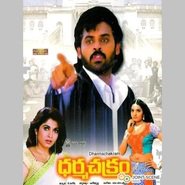
Composed music for Dharma Chakram
View film →Composed music for Preyasi Raave, a major commercial hit
View film →Received Kala Ratna Award from Andhra Pradesh Chief Minister for contributions to Telugu music
Served as jury member for 69th National Film Awards
M. M. Srilekha by the Numbers
If you watched every M. M. Srilekha film back-to-back, you'd be at it for roughly 16 hours. Most-paired with Brahmanandam — 3 films together.
Filmography
See all 30 credits →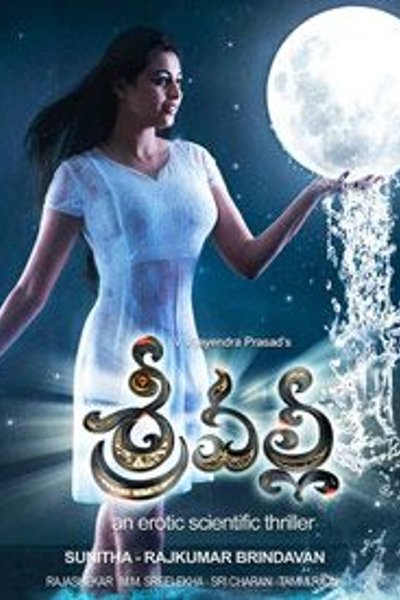
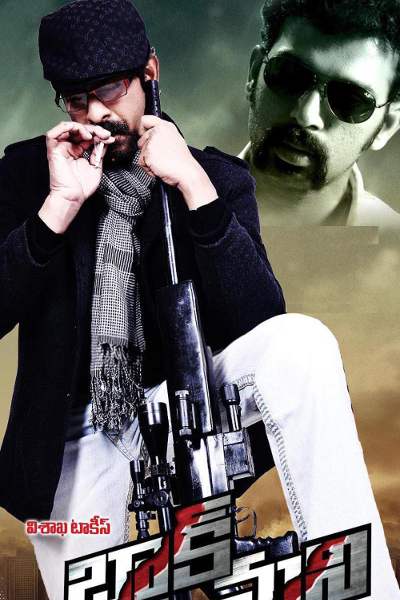
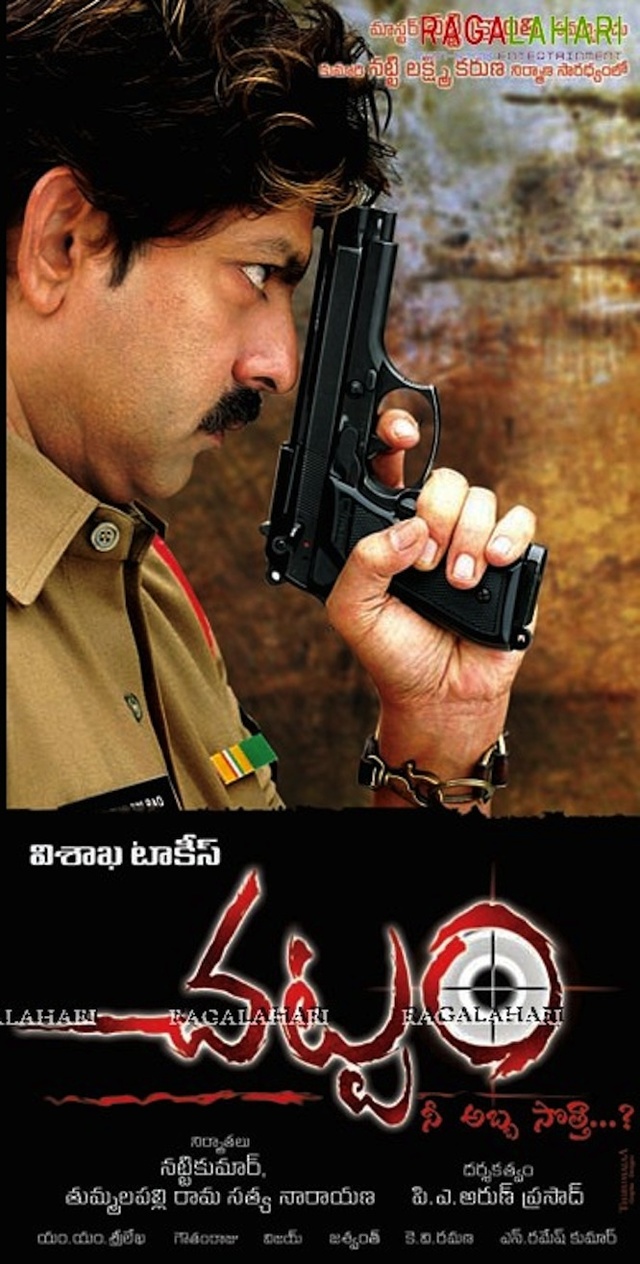
Collaboration Network
The Constellation
Top 3 most-paired collaborators. Bubble size and line thickness reflect how many films they share with M. M. Srilekha.
Career Analytics
Genre Breakdown
Language Distribution
Films by Decade
Top Co-Actors
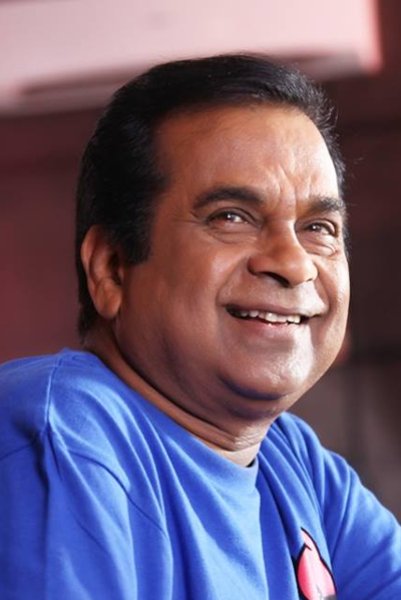
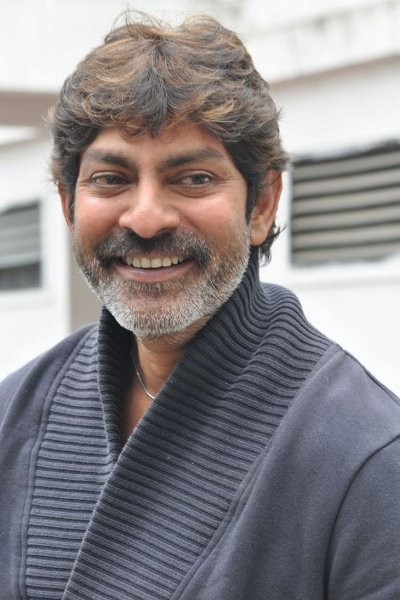
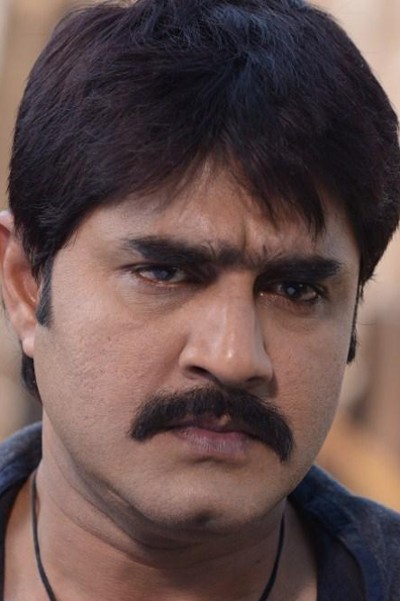
See all →M. M. Srilekha has worked most frequently with Brahmanandam (3 films), Jagapathi Babu (2 films), and Meka Srikanth (2 films).
Legacy & Influence
M. M. Srilekha is a respected playback singer in the South Indian film industry, primarily associated with Telugu and Tamil cinema. Her career trajectory began in the late 1980s, and she established herself as a prominent voice through the 1990s and early 2000s. Srilekha is recognized for her distinct, melodious voice and versatility, capable of rendering both classical-based compositions and peppy folk numbers with equal ease. She made significant contributions by providing the singing voice for many leading actresses of the era, becoming an integral part of the musical landscape during a prolific period for Telugu cinema. Her collaborations with renowned music directors like Ilaiyaraaja, M. M. Keeravani, and S. A. Rajkumar resulted in numerous popular and critically appreciated songs. Tracks such as "Chitti Chilakamma" from the film 'Chanti' (1992) and "Raja Raja Chora" from 'Gangmaster' (1994) became major hits, cementing her popularity with audiences. Her singing often carried a strong emotional depth and regional authenticity, particularly in folk-inspired tracks, which resonated deeply with listeners. While her output decreased in later years, the body of work from her peak period continues to be celebrated and remembered, contributing to the rich archive of South Indian film music. Her career represents the vital role of female playback singers in bringing character and emotion to on-screen performances during a specific golden era of regional cinema.