Devika Bhagat
Devika Bhagat is an Indian screenplay, best known for Tamil cinema. Devika Bhagat began their career in 2007 and has been a prominent figure in the industry for over 19 years. With 30 credits to their name, Devika Bhagat remains one of the most prolific and celebrated talents in the industry. Devika Bhagat is one of the most closely watched talents of their generation, with a rapidly growing body of acclaimed work.
- Born
- Age
- 46
Biography
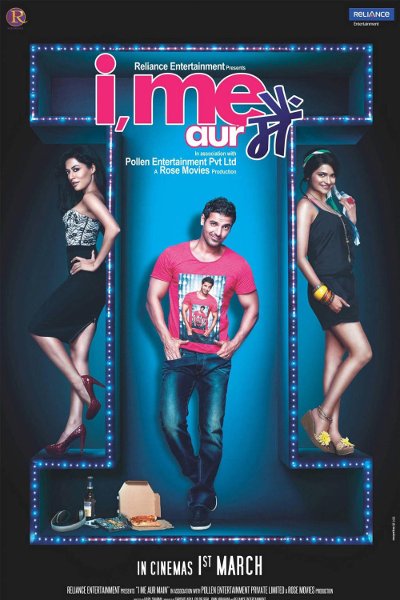
Devika Bhagat is an Indian screenwriter working in Hindi cinema, best known for writing romantic comedies and thrillers including Manorama Six Feet Under (2007), Bachna Ae Haseeno (2008), Ladies vs Ricky Bahl (2011), Jab Tak Hai Jaan (2012), and I, Me Aur Main (2013). She trained at NYU's Tisch School of the Arts (BFA, 2002) and began her career as a post-production intern on Monsoon Wedding (2001) and assistant director on The Bourne Supremacy (2004). Her screenwriting spans multiple genres — from the neo-noir thriller Manorama Six Feet Under to the Yash Raj romantic comedies — demonstrating a range across tone and production scale. She later moved into directing with One by Two (2014) and the web series Shehar Lakhot (2023).
Defining Moments
Screenplay of Manorama Six Feet Under — a neo-noir thriller co-written with director Navdeep Singh, notable for its intricate, morally ambiguous plot structure inspired by Chinatown
Critically acclaimed as one of the finest Indian noir screenplays; established Bhagat as a serious writer capable of complex genre storytelling in Bollywood
Multi-arc romantic screenplay of Bachna Ae Haseeno tracing one man's journey through three relationships and redemption
Showcased her versatility by pivoting from noir to mainstream romance; the film's structure of distinct romantic chapters was widely noted as a screenwriting strength
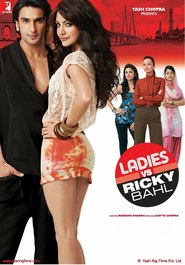
Con-artist ensemble script for Ladies vs Ricky Bahl — four women collaborating to outwit a serial con man, blending comedy with female camaraderie
One of few Yash Raj Films with a female-led revenge-comedy premise; Bhagat's script was credited for its witty dialogue and well-differentiated female characters
View film →Devika Bhagat by the Numbers
If you watched every Devika Bhagat film back-to-back, you'd be at it for roughly 11 hours. Most-paired with Hiten Paintal — 2 films together.
Filmography
See all 30 credits →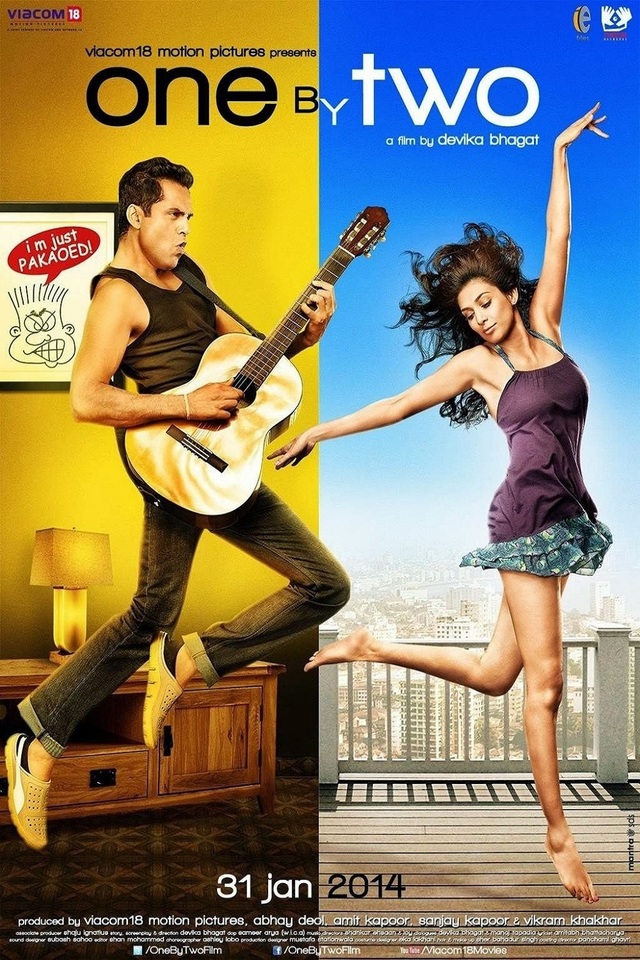
Collaboration Network
Career Analytics
Language Distribution
Films by Decade
Top Co-Actors
See all →Devika Bhagat has worked most frequently with Hiten Paintal (2 films).
Legacy & Influence
Devika Bhagat is a screenwriter and dialogue writer who has made significant contributions to contemporary Hindi cinema through her work on character-driven narratives and complex plots. Her career trajectory shows a consistent focus on crafting stories that blend emotional depth with commercial appeal. Bhagat first gained major recognition for co-writing the screenplay and dialogues for 'Jab Tak Hai Jaan' (2012), a Yash Chopra-directed romantic drama that explored themes of love, memory, and sacrifice. Her ability to structure a multi-temporal love story demonstrated her skill in handling non-linear narratives. She further solidified her reputation with the critically acclaimed thriller 'Kahaani' (2012), for which she wrote additional dialogues. The film's success, centered on a strong female protagonist, highlighted the commercial viability of well-written, woman-led stories, contributing to a shift in industry perceptions. Bhagat's screenplay for 'Ladies vs Ricky Bahl' (2011) showcased her versatility in writing modern romantic comedies with nuanced character conflicts. Her collaboration with director Vijay Krishna Acharya on 'Thugs of Hindostan' (2018) involved working on a large-scale period action adventure, indicating her range across genres. While maintaining a relatively selective filmography, her work is characterized by meticulous plot construction and dialogue that aims to reveal character. Her contributions reside primarily in the development room, shaping foundational scripts that have supported major directorial visions and actor performances. By successfully navigating both original concepts and adaptations, she has helped bridge creative storytelling with the demands of mainstream Bollywood, influencing the craft of screenwriting towards more structured and layered narrative forms.