Shelly Kishore
Shelly Kishore is an Indian actor, best known for Tamil cinema. Shelly Kishore began their career in 2010. With 30 credits to their name and an average audience rating of 7.2, Shelly Kishore remains one of the most prolific and celebrated talents in the industry. Spanning 10+ years, Shelly Kishore's career remains one of the longest and most celebrated in Tamil cinema.
Career Milestones
Won Government of Kerala State Award for Best Actress (Television)
Film debut in Malayalam anthology
Tamil film debut as Vadivu (mother role)
View film →SIIMA Award nomination for Best Actress in Supporting Role
View film →Breakthrough role in major Netflix superhero film as Usha
Iconic Roles
Thanga Meenkal
A resilient mother in this critically acclaimed Tamil film directed by Ram. Shelly learned Tamil and dubbed in her own voice, earning a SIIMA nomination for Best Supporting Actress.
Kumkumapoovu
Her most iconic television role in this record-breaking Malayalam TV serial, which set viewership records that remain unbroken and made her a household name in Kerala.
Minnal Murali
Played a victim of domestic abuse in this acclaimed Malayalam superhero film, earning a SIIMA nomination for Best Supporting Actress in 2022.
Defining Moments
Portrayal of Vadivu, the resilient middle-class mother navigating the family's crisis as government school closures threaten her daughter's education — her understated emotional performance anchors the film's human core
Her Tamil film debut earned a SIIMA nomination for Best Supporting Actress; the film won the National Award for Best Tamil Film, and her performance was cited as central to the film's emotional authenticity
View film →The quiet, devastating scene where Usha — a domestic abuse survivor — asks Shibu 'Will you be with me?', a moment of profound vulnerability that reframes the antagonist's storyline
Critics singled out this scene for its originality and restraint; Shelly's portrayal of Usha's pain and loneliness added emotional depth to what could have been a one-dimensional role, earning her a second SIIMA nomination
Usha's arc as a woman who has lost everyone, finding tentative connection with Shibu — her gradual emotional opening is considered the film's most humanising subplot
Reviews specifically praised Shelly for conveying vulnerability and strength simultaneously, making Usha a standout character in one of Malayalam cinema's biggest superhero blockbusters
Shelly Kishore by the Numbers
If you watched every Shelly Kishore film back-to-back, you'd be at it for roughly 7 hours.
Filmography
See all 30 credits →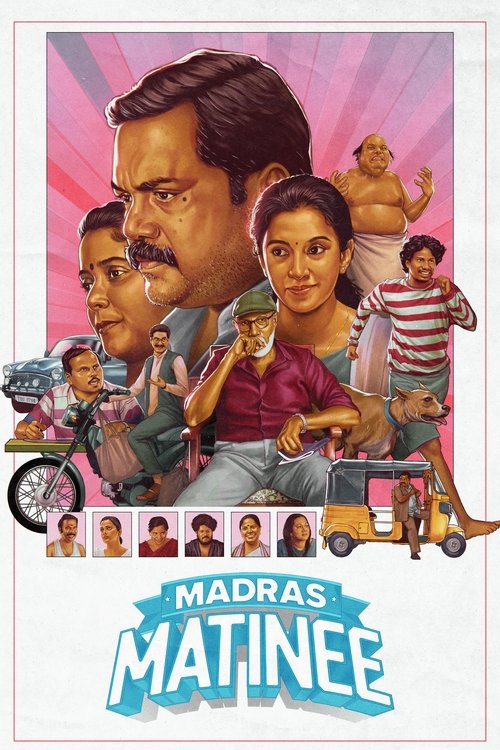

Career Analytics
Genre Breakdown
Language Distribution
Films by Decade
Legacy & Influence
Shelly Kishore is a notable figure in the Indian film industry, primarily recognized for her work as a playback singer in Malayalam cinema. Her career trajectory, while not extensively documented in mainstream biographical sources, is marked by significant contributions through her vocal performances. Kishore gained prominence with her debut song 'Mazha Kondu Mathram' from the film 'Chocolate' (2007), composed by Alex Paul, which showcased her melodic voice and emotional depth, quickly endearing her to audiences. Her most acclaimed and impactful work is arguably in the critically acclaimed film 'Thanga Meenkal' (2013), directed by Ram. She sang the poignant lullaby 'Aaro Nenjil', composed by M. G. Sreekumar, which became a cultural touchstone. The song's profound connection to the film's narrative about a father-daughter relationship elevated it beyond a mere soundtrack piece, making it an integral part of the movie's emotional core and contributing significantly to the film's National Film Award win for Best Feature Film. Her voice, characterized by its clarity and ability to convey tenderness, has filled a specific niche in Malayalam cinema, often being chosen for soulful, narrative-driven songs that require a nuanced delivery. While her public filmography appears selective, the quality and impact of her performances, particularly in 'Thanga Meenkal', have cemented her status as a respected playback singer. Her contribution lies in enhancing the cinematic experience through music that resonates deeply with thematic content, thereby supporting the storytelling tradition of Indian parallel and meaningful mainstream cinema.