
Nagesh Kukunoor
Nagesh Kukunoor is an Indian director, best known for Tamil cinema. Nagesh Kukunoor began their career in 1998 and has been a prominent figure in the industry for over 28 years. With 30 credits to their name and an average audience rating of 6.4, Nagesh Kukunoor remains one of the most prolific and celebrated talents in the industry. Spanning 20+ years, Nagesh Kukunoor's career remains one of the longest and most celebrated in Tamil cinema.
- Born
- Age
- 59
Biography
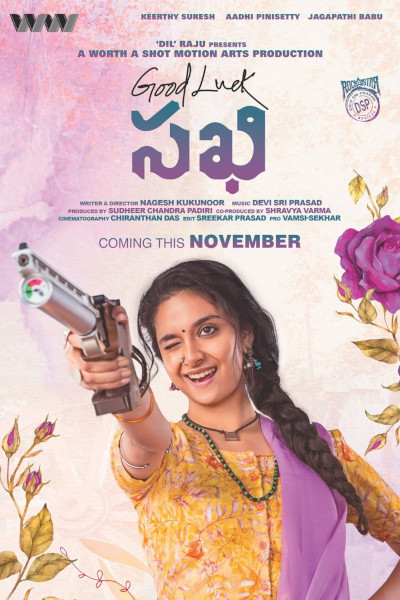
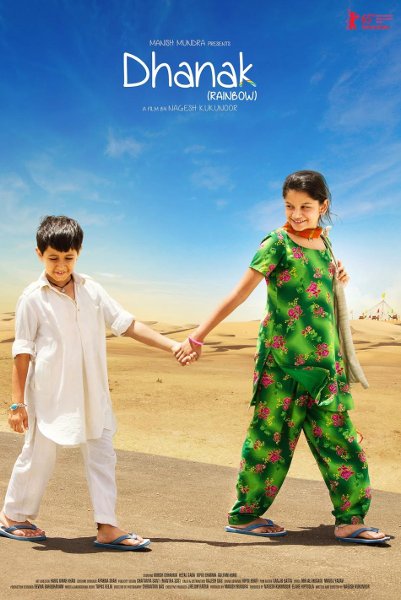
Nagesh Kukunoor is an Indian film director, screenwriter, producer, and actor working primarily in Hindi cinema, known for his intimate parallel cinema style rooted in human stories. His most acclaimed works include Iqbal (2005), which won the National Film Award for Best Film on Other Social Issues, and Dhanak (2016), which won the National Film Award for Best Children's Film and the Crystal Bear Grand Prix at the 65th Berlin International Film Festival. Kukunoor's films frequently center on underdogs and social outsiders — Iqbal follows a deaf-mute aspiring cricket player, Dor (2006) explores two women navigating patriarchal constraints, and Dhanak is a road movie about two orphaned siblings — reflecting his consistent thematic focus on resilience and marginalized voices. After over two decades in Hindi cinema, he returned to Telugu with Good Luck Sakhi (2022), starring Keerthy Suresh as an error-prone shooter aiming for the Olympics.
Career Milestones
Directorial debut with self-funded low-budget independent film Hyderabad Blues
National Film Award for Best Film on Other Social Issues
View film →Mercedes Benz Audience Award for Best Narrative at Palm Springs International Film Festival
View film →Crystal Bear Grand Prix for Best Children's Film at Berlin International Film Festival
View film →National Film Award for Best Children's Film
View film →Defining Moments
The kissing scene that went through 91 CBFC cuts — Kukunoor fought the censor board's objection that 'no Indian women kiss' and won, making it one of indie cinema's most talked-about censorship battles
Symbolised the arrival of unapologetic urban indie cinema in India; the film shot in 17 days on ₹1.7M budget pioneered a new wave of formula-free storytelling
The three death-row inmates' stories converging as the documentary filmmaker realises their confessions are reshaping her own fractured life — the film's moral twist reframes every prior scene
Demonstrated Kukunoor's range as a writer-director; praised for its non-linear structure and the rare dignity it extends to condemned criminals
View film →Iqbal's climactic trial match where the deaf-mute protagonist, coached by a washed-up drunkard, earns his place in the national squad through sheer will — no melodrama, just restrained emotion
Won Kukunoor his first National Award (Best Film on Other Social Issues); widely cited as one of Indian cinema's finest sports underdog narratives
View film →The two women — Zeenat and Meera — finally meeting and the slow dissolution of hostility into solidarity, as a widow bound by patriarchy finds agency through an unlikely friendship forged over a forgiveness letter
Became a landmark for feminist storytelling in mainstream Hindi cinema; frequently cited for its nuanced portrayal of female bonds across class and cultural divides
View film →Eight-year-old Chotu and his blind sister Pari's road journey to find Shah Rukh Khan so he can 'cure' her blindness — the children's unwavering faith rendered with zero sentimentality
Won the Crystal Bear Grand Prix at Berlin (65th BIFF) and the National Award for Best Children's Film; widely regarded as Kukunoor's most emotionally pure work
View film →Nagesh Kukunoor by the Numbers
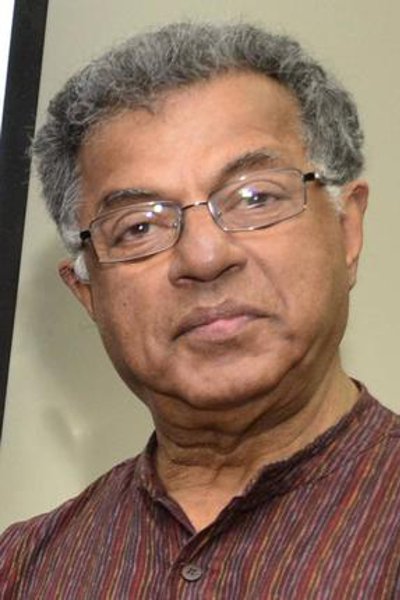
If you watched every Nagesh Kukunoor film back-to-back, you'd be at it for roughly 1 day and 8h. Most-paired with Girish Karnad — 4 films together.
Filmography
See all 30 credits →

Collaboration Network
The Constellation
Top 10 most-paired collaborators. Bubble size and line thickness reflect how many films they share with Nagesh Kukunoor.
Career Analytics
Genre Breakdown
Language Distribution
Films by Decade
Top Co-Actors
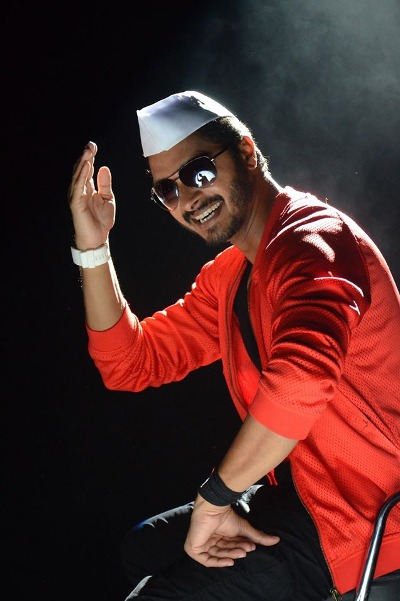
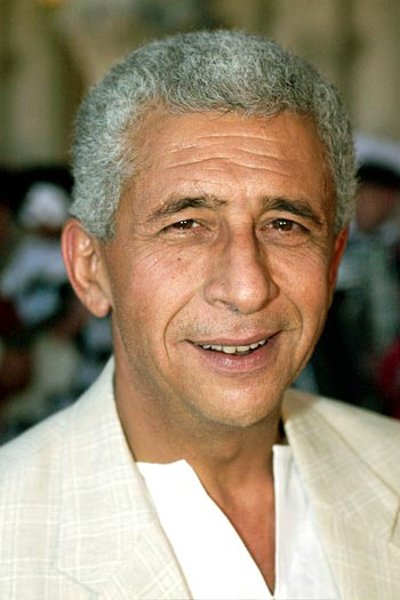
See all →Nagesh Kukunoor has worked most frequently with Girish Karnad (4 films), Shreyas Talpade (4 films), Naseeruddin Shah (3 films), Prateeksha Lonkar (3 films), and Aadhi (2 films).




Did You Know?
Nagesh Kukunoor is a chemical engineer by education, having earned a Master's degree from Georgia Institute of Technology in the USA before pursuing filmmaking.
His debut feature film, 'Hyderabad Blues' (1998), was made on an extremely low budget of approximately ₹20 lakhs and became a major independent success in India.
He wrote, directed, produced, and acted in his debut film 'Hyderabad Blues', playing the lead role of Varun.
His film 'Iqbal' (2005), about a deaf and mute aspiring cricketer, won the National Film Award for Best Film on Other Social Issues.
He founded his own production company, 'Kukunoor Movies', to produce his films.
Legacy & Influence
Nagesh Kukunoor emerged as a pivotal figure in Indian independent cinema with his self-financed, digitally-shot debut 'Hyderabad Blues' (1998). Made on a minuscule budget, the film became a sleeper hit, proving that compelling storytelling could thrive outside the mainstream Bollywood system and inspiring a wave of indie filmmaking. This established his career trajectory as a director who consistently explored socially relevant themes with a humanistic touch, often working with modest budgets. His contribution is marked by a focus on underdog narratives and marginalized voices. Films like 'Iqbal' (2005), a poignant story of a deaf and mute aspiring cricketer, and 'Lakshmi' (2014), a harrowing expose of child trafficking, showcase his commitment to using cinema as a tool for social commentary without resorting to overt melodrama. While his work is predominantly in Hindi cinema, his style is often associated with parallel cinema for its realistic texture and narrative simplicity. Kukunoor's filmography is eclectic, spanning genres from coming-of-age dramas ('Rockford') to road movies ('Dor') and children's films ('Dhanak'), yet consistently maintaining an emotional core accessible to a wide audience. His influence lies in demonstrating the viability of alternative production and narrative models within the Indian film landscape, paving the way for other directors to tell personal, issue-based stories. Despite commercial fluctuations, his body of work remains a testament to resilient, content-driven filmmaking.