Saurabh Varma
Saurabh Varma is an Indian director, best known for Tamil cinema. Saurabh Varma began their career in 2013. With 30 credits to their name, Saurabh Varma remains one of the most prolific and celebrated talents in the industry. An emerging voice in Tamil cinema, Saurabh Varma is already attracting significant attention for their distinctive work.
Biography
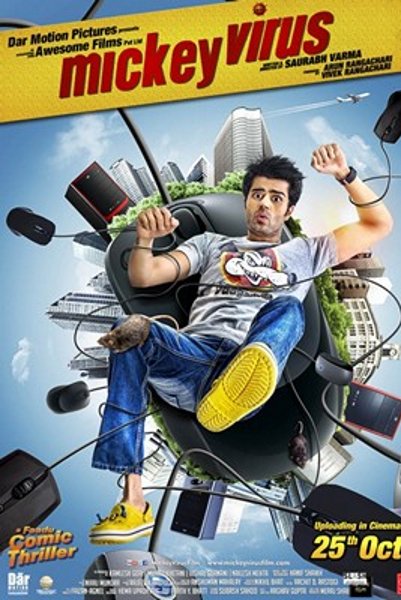
Saurabh Varma is an Indian Hindi cinema director and marketing professional with over 25 years of experience in the Indian film and entertainment industry. He made his directorial debut with Mickey Virus (2013), a comedy thriller about a Delhi hacker embroiled in a ₹100 crore online heist, and followed it with 7 Hours to Go (2016), an action thriller. Beyond directing, Varma served as CMO at major industry players including Jio Studios, PVR, INOX, and Reliance Entertainment, having spearheaded the marketing of over 1,000 films across multiple Indian languages. His filmmaking background is deeply rooted in marketing and event management, giving his directorial work a strong commercial sensibility.
Career Milestones
Wrote and directed debut feature film Mickey Virus, a comedy-thriller that received strong promotion and good box office performance
View film →Wrote and directed 7 Hours to Go, his second feature film as writer-director
View film →Served as Creative Producer on Girls Will Be Girls, a two-time Sundance award-winning film produced by Richa Chadha and Ali Fazal, streaming on Amazon Prime Video
Served as Creative Producer on Malegaon Ka Superman, produced by Anurag Kashyap
Saurabh Varma by the Numbers
If you watched every Saurabh Varma film back-to-back, you'd be at it for roughly 7 hours. Most-paired with Shiv Pandit — 2 films together.
Filmography
See all 30 credits →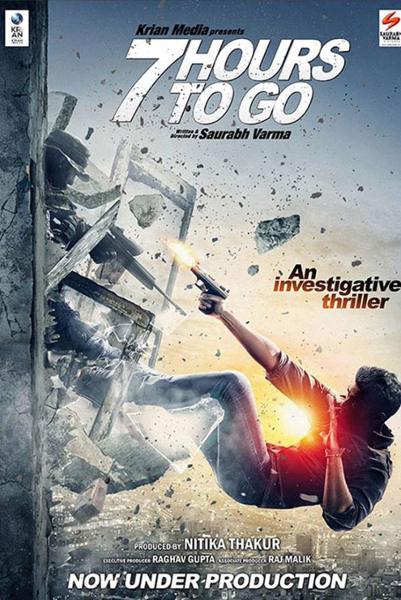
Collaboration Network
The Constellation
Top 3 most-paired collaborators. Bubble size and line thickness reflect how many films they share with Saurabh Varma.
Career Analytics
Language Distribution
Films by Decade
Top Co-Actors
See all →Saurabh Varma has worked most frequently with Shiv Pandit (2 films), Varun Badola (2 films), and Hanif Shaikh (2 films).


Legacy & Influence
Saurabh Varma is a notable figure in contemporary Indian cinema, primarily recognized for his work as a film director and screenwriter. His career trajectory is defined by a focus on crafting commercial Hindi films that blend romance, drama, and music, aiming for broad audience appeal. Varma's most significant contribution came with his directorial debut, 'Mickey Virus' (2013), a film that stood out for its early exploration of the world of computer hacking and cybercrime within the mainstream Bollywood framework. While not a major box office success, the film garnered attention for attempting a relatively fresh subject matter and developing a niche following, particularly among younger urban viewers interested in technology-themed narratives. His subsequent work includes directing 'Love per Square Foot' (2018), a Netflix original film about a couple entering a fake marriage to win a housing lottery. This project marked his involvement in the digital streaming space, contributing to the early wave of original Hindi content created for platforms, which expanded storytelling avenues and reached global audiences. Varma's filmmaking is often characterized by its focus on urban relationships, middle-class aspirations, and the integration of catchy musical scores. While his filmography is not extensive, his shift from theatrical releases to digital platforms reflects the changing dynamics of the Indian film industry in the 2010s. His work represents a strand of Hindi cinema that targets a specific, metropolitan demographic with relatable, concept-driven plots. The overall impact of his career lies in this niche positioning and his participation in the industry's digital transition, rather than in widespread critical acclaim or transformative influence. His films serve as examples of commercially oriented, urban-centric storytelling that found its audience both in cinemas and on emerging streaming services.