Ashok Samarth
Ashok Samarth is an Indian actor, best known for Tamil cinema. Ashok Samarth began their career in 2007 and has been a prominent figure in the industry for over 19 years. With 30 credits to their name, Ashok Samarth remains one of the most prolific and celebrated talents in the industry. Spanning 10+ years, Ashok Samarth's career remains one of the longest and most celebrated in Tamil cinema.
- Born
- Age
- 49
Biography
Ashok Samarth is an Indian actor working primarily in Hindi cinema, known for playing supporting and character roles across Bollywood films. He debuted with Insaan (2005) and is recognized for his role as Inspector Malvankar in the 2007 thriller Ek Chalis Ki Last Local, directed by Sanjay Khanduri and starring Abhay Deol and Neha Dhupia. His filmography includes notable productions such as Singham (2011), Kismet Love Paisa Dilli (2012), R... Rajkumar (2013), and Simmba (2018), spanning genres from action to comedy. He is married to Marathi actress Sheetal Pathak and has also appeared in television shows including Lakshya and The Final Masterstroke.
Career Milestones
Film debut
Notable supporting role as Inspector Malvankar
View film →Role in blockbuster action film as Shiva
Supporting role in major Bollywood production
View film →Iconic Roles
Ek Chalis Ki Last Local
A raid-conducting inspector whose arrival adds comedic tension in this Abhay Deol-Neha Dhupia adventure thriller.
Singham
A supporting police character in this blockbuster action film; the role Ashok Samarth is most popularly associated with according to multiple sources.
R... Rajkumar
A police inspector role in this Shahid Kapoor action entertainer, one of several law-enforcement characters in his filmography.
Defining Moments
Playing Inspector Malvankar — a bumbling yet menacing cop who raids a brothel and becomes entangled in the night's chaotic chain of events, providing comic relief while keeping the protagonists under pressure
His most cited role; the film became a cult Bollywood thriller and Malvankar is remembered as a recurring comedic threat throughout the night-long chase narrative
View film →Appearing as 'Shiva', a supporting character in Rohit Shetty's blockbuster cop drama
One of the highest-grossing Bollywood films of 2011; association with this franchise boosted his profile as a reliable character actor in cop dramas
Portraying a police inspector in the high-octane Bollywood action blockbuster, blending into the ensemble of law-enforcement characters surrounding Shahid Kapoor's protagonist
Part of a massive commercial hit, giving Samarth visibility in mainstream Bollywood alongside big stars
View film →Ashok Samarth by the Numbers
If you watched every Ashok Samarth film back-to-back, you'd be at it for roughly 14 hours. Most-paired with Sanjay Khanduri — 2 films together.
Filmography
See all 30 credits →



Collaboration Network
The Constellation
Top 4 most-paired collaborators. Bubble size and line thickness reflect how many films they share with Ashok Samarth.
Career Analytics
Genre Breakdown
Language Distribution
Films by Decade
Top Co-Actors
See all →Ashok Samarth has worked most frequently with Sanjay Khanduri (2 films), Neha Dhupia (2 films), Akhilendra Mishra (2 films), and Ganesh Yadav (2 films).


Legacy & Influence
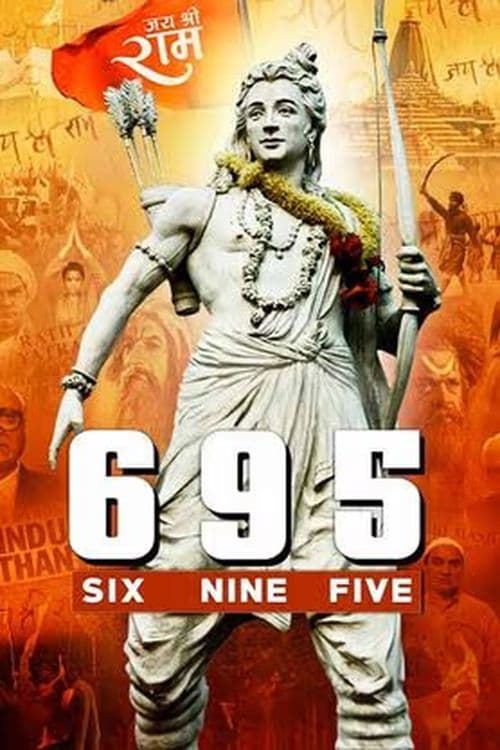
Ashok Samarth is a character actor whose career in Indian cinema, particularly in Hindi and Marathi films, is defined by his consistent portrayals of supporting and antagonistic roles. His filmography, while not extensive in leading parts, demonstrates a commitment to a specific niche within the industry. He often appears in gritty, realistic, or genre-specific films where his screen presence adds depth to the narrative. His notable work includes roles in films like 'Kismet Love Paisa Dilli' (2012) and the more recent 'Six Nine Five' (2024). Samarth's contribution lies in his ability to embody characters that often represent societal pressures, corruption, or moral ambiguity, serving as effective foils to protagonists. His career trajectory reflects that of many reliable character actors who form the backbone of regional and national cinema, ensuring narrative tension and authenticity without seeking the spotlight. While not a widely recognized mainstream star, his steady presence across decades contributes to the rich tapestry of character-driven storytelling in Indian films. He operates in a space where consistent work and recognizable performances build a legacy of reliability for directors seeking specific character types. His impact is subtle, measured by the cumulative effect of his roles rather than by singular, iconic performances. In the ecosystem of Indian cinema, actors like Ashok Samarth are essential for maintaining the diversity and realism of on-screen worlds, portraying the everyday antagonists and complex figures that drive conflict and drama.