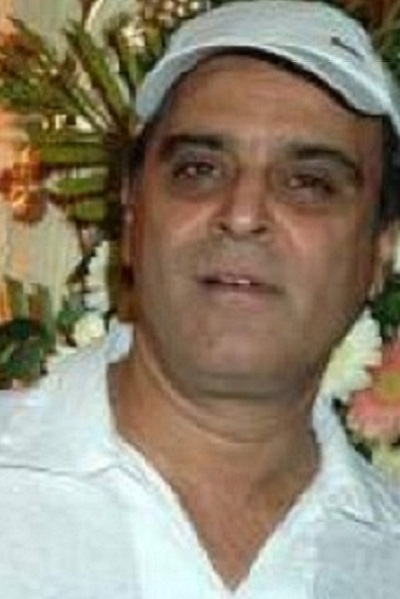
Karan Razdan
Karan Razdan is an Indian actor, best known for Tamil cinema. Karan Razdan began their career in 1982 and has been a prominent figure in the industry for over 44 years. With 30 credits to their name, Karan Razdan remains one of the most prolific and celebrated talents in the industry. Spanning 40+ years, Karan Razdan's career remains one of the longest and most celebrated in Tamil cinema.
- Born
- Age
- 65
Biography
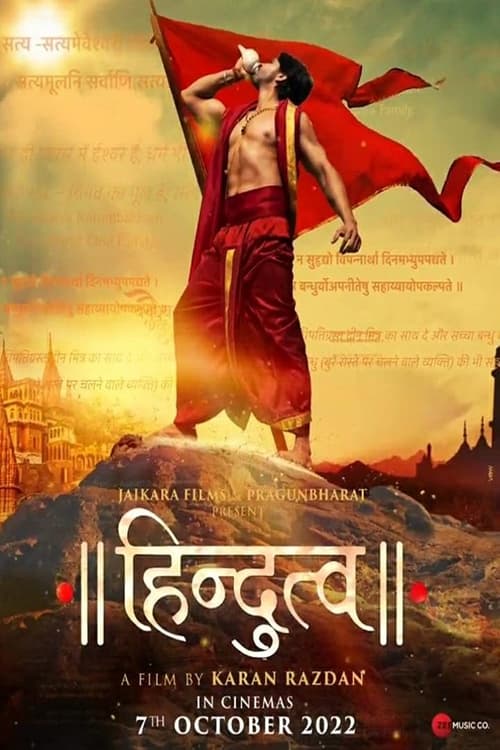
Karan Razdan is a Hindi cinema director, screenwriter, and actor known for directing bold and controversial films in Bollywood. He wrote screenplays for commercial hits like Dilwale and Diljale before turning director, and helmed the controversial erotic thriller Hawas (2004), an adaptation of the Hollywood film Unfaithful, starring Meghna Naidu. His directorial style leans toward adult themes and social taboos, as seen across films like Eight: The Power of Shani (2006) and Mittal v/s Mittal (2010), though most of his films achieved notoriety over box office success. He was formerly married to actress Priya Tendulkar, daughter of celebrated playwright Vijay Tendulkar, and later directed Hindutva (2022), a film exploring identity and nationalism.
Career Milestones
Screenplay debut with hit TV show 'Rajni', establishing his writing career
Directed debut TV show 'Tehkikaat', a popular investigative drama
Wrote screenplay for hit Bollywood film Dilwale
Wrote and directed controversial erotic thriller Girlfriend, gaining notoriety
Wrote and directed horror film Eight: The Power of Shani
View film →Defining Moments
Writing the screenplay for blockbuster Dilwale, establishing his career as a hit Bollywood writer
Before directing, Razdan was a celebrated screenwriter; Dilwale's commercial success cemented his reputation and gave him the clout to later direct controversial projects.
Direction of Girlfriend's explicit lesbian relationship narrative — a first for mainstream Bollywood
Razdan's most talked-about directorial work; sparked national controversy and protests from both Hindu nationalists and LGBTQ+ groups, making it one of the first Bollywood films to explicitly depict a same-sex relationship. Widely cited in Indian cinema discourse on representation.
Directing an erotic thriller adaptation of Hollywood's 'Unfaithful' for Indian audiences
Notable as one of the boldest adult-thriller adaptations attempted in Bollywood at the time, starring Meghna Naidu; demonstrated Razdan's niche in edgy, provocative content.
View film →Karan Razdan by the Numbers
If you watched every Karan Razdan film back-to-back, you'd be at it for roughly 1 day and 8h. Most-paired with Anupam Kher — 2 films together.
Filmography
See all 30 credits →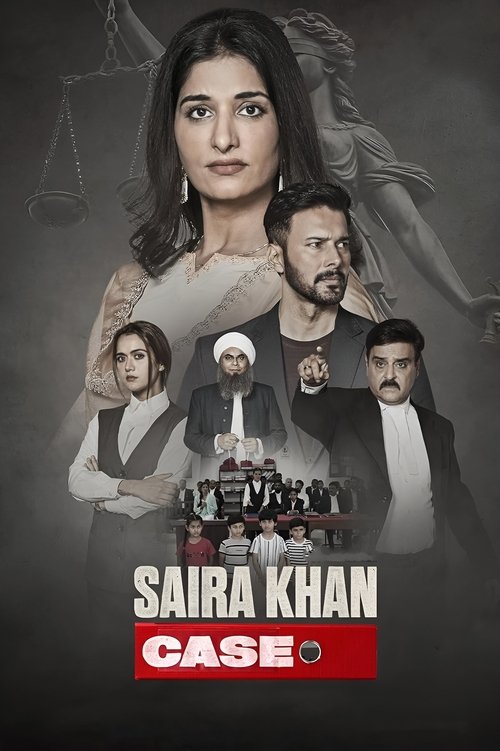
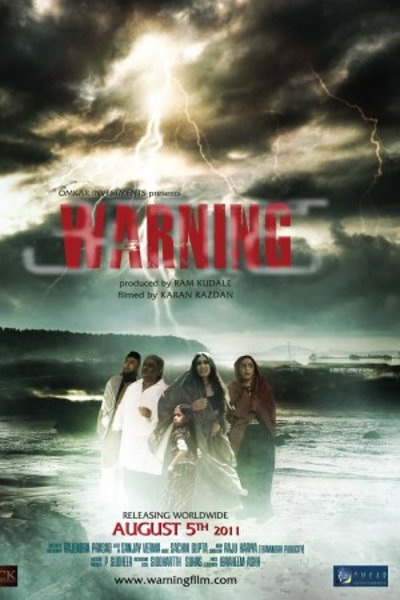
Collaboration Network
The Constellation
Top 4 most-paired collaborators. Bubble size and line thickness reflect how many films they share with Karan Razdan.
Career Analytics
Genre Breakdown
Language Distribution
Films by Decade
Top Co-Actors
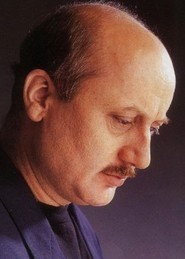
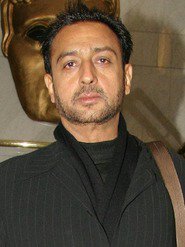
See all →Karan Razdan has worked most frequently with Anupam Kher (2 films), Meghna Naidu (2 films), Gulshan Grover (2 films), and Rituparna Sengupta (2 films).


Did You Know?
Karan Razdan is the son of veteran Bollywood director Ramesh Behl.
He made his directorial debut with the film 'Girlfriend' in 2004.
He directed the controversial film 'Girlfriend', which dealt with a lesbian relationship.
He has worked as a writer for several films, including 'Dil Hai Betaab' and 'Girlfriend'.
He is also a film producer, having produced movies like 'Dil Hai Betaab'.
Legacy & Influence
Karan Razdan's career in Indian cinema spans multiple decades and roles, primarily as a writer and director, with a distinct focus on socially conscious and often provocative themes. Emerging in the 1980s with acting roles in films like 'Jeevan Dhaara', he soon transitioned behind the camera, establishing his voice as a filmmaker. His directorial work is characterized by tackling subjects considered bold or taboo within mainstream Bollywood, often exploring themes related to sexuality, relationships, and social hypocrisy. Films like 'Girlfriend' (2004) and 'Hawas' (2004) generated significant controversy and public debate for their explicit content and portrayal of lesbian relationships and extramarital affairs, respectively. While criticized by some for sensationalism, these films also sparked conversations about censorship and the boundaries of cinematic expression in India. His filmography includes projects across genres, from thrillers like 'Khel' (2003) to dramas, demonstrating versatility. As a writer, he has contributed scripts that often push narrative conventions. His career trajectory reflects a filmmaker who consistently operated at the intersection of commercial cinema and contentious social commentary, challenging audience expectations and prevailing norms. While not always a critical darling, his work undeniably carved a niche, contributing to a strand of Bollywood that deliberately provoked and questioned conservative societal frameworks, thereby influencing the scope of topics deemed fit for mainstream cinematic exploration in the early 2000s.