Anu Malik & Tiku Talsania Movies Together List — 4 Films
Complete Movies List & Collaboration History
Last updated: 2026-07-21 · Data sources: Wikipedia, TMDB
Anu Malik and Tiku Talsania appeared together in 4 Hindi films between 1996 and 1997. Their highest-rated collaboration was Judwaa (1997 — 6.0/10). Films span Daraar (1996) through Judwaa (1997).
The Anu Malik & Tiku Talsania partnership
Between 1996 and 1997, they barely worked apart — 4 films in 1 years. 1996 was their peak — 3 films in twelve months. From Daraar (1996) to Judwaa (1997).
The unfolded closed with Judwaa in 1997. It started with Daraar (1996).
The shape of the work
Never on the same side of the camera — Anu Malik music composer, Tiku Talsania actor, across all 4 films. Strictly Hindi cinema — they never crossed industries together.
4 films across 1 decade
- Judwaa
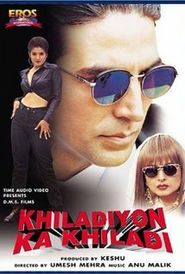
- Khiladiyon Ka Khiladi
The partnership in numbers
Partnership Pattern
4 films across 1 years represents focused partnership.
Language Distribution
Linguistic diversity: 1 language, with Hindi being their primary medium.
Where each was in their career
By the time of Daraar, both already had careers — Anu Malik with 15 films, Tiku Talsania with 19.
Before Daraar, Anu Malik had starred in 15 films, including Main Khiladi Tu Anari (1994) and Baazigar (1993).
After Judwaa, Anu Malik went on to appear in 30 more films, including Dum Laga Ke Haisha (2015) and Mardaani 2 (2019).
Before Daraar, Tiku Talsania had starred in 19 films, including Inspector Dhanush (1991) and Dil Hai Ke Manta Nahin (1991).
After Judwaa, Tiku Talsania went on to appear in 36 more films, including Life Mein Time Nahi Hai Kisi Ko (2019) and Hungama (2003).

Collaboration Journey
A chronological view of Anu Malik & Tiku Talsania's professional partnership
Actors and musicians who worked on most of their films
People who worked on Anu Malik & Tiku Talsania's films together