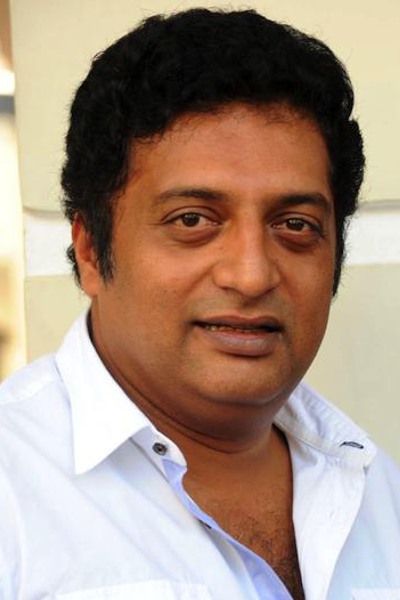
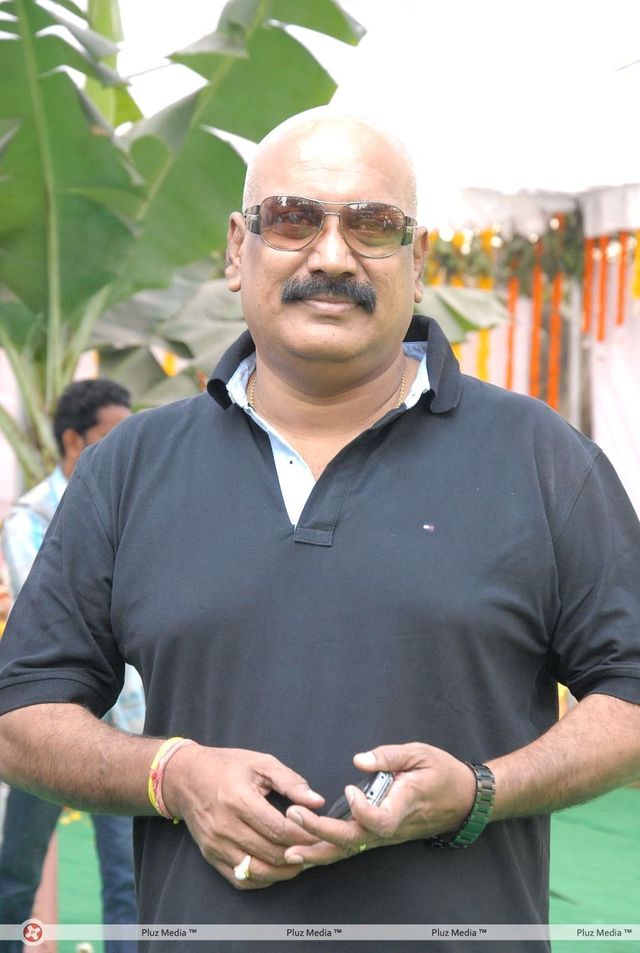
Prakash Raj & Ahuti Prasad Movies Together List — 3 Films
Complete Movies List & Collaboration History
Last updated: 2026-07-13 · Data sources: Wikipedia, TMDB
Prakash Raj and Ahuti Prasad appeared together in 3 Telugu films between 2003 and 2008. Their highest-rated collaboration was Tagore (2003 — 7.7/10). Films span Tagore (2003) through Kotha Bangaru Lokam (2008).
The Prakash Raj & Ahuti Prasad partnership
From Tagore (2003) to Kotha Bangaru Lokam (2008). Samba (2004, 7.6/10) is the underseen one in the catalogue. Tagore is the one most viewers reach for.
It started with Tagore (2003).
The shape of the work
Prakash Raj acted in every film; Ahuti Prasad acted in all of them. Strictly Telugu cinema — they never crossed industries together.
3 films across 1 decade
- Tagore
- Samba
The partnership in numbers
Partnership Pattern
3 films across 5 years represents consistent collaboration.
Language Distribution
Linguistic diversity: 1 language, with Telugu being their primary medium.
Where each was in their career
When they first worked together, Prakash Raj had 62 films behind them; Ahuti Prasad had 8. After Kotha Bangaru Lokam, Prakash Raj kept going for 160 more films; Ahuti Prasad stepped back.
Before Tagore, Prakash Raj had starred in 62 films, including Nila (1994) and Poomani (1996).
After Kotha Bangaru Lokam, Prakash Raj went on to appear in 160 more films, including Sita Ramam (2022) and Gabbar is Back (2015).
Before Tagore, Ahuti Prasad had starred in 8 films, including Aadi (2002) and Devi Putrudu (2001).
After Kotha Bangaru Lokam, Ahuti Prasad went on to appear in 29 more films, including Sasirekha Parinayam (2009) and Arundhati (2009).

Collaboration Journey
A chronological view of Prakash Raj & Ahuti Prasad's professional partnership
Actors and musicians who worked on most of their films
People who worked on Prakash Raj & Ahuti Prasad's films together









Other iconic Telugu director-actor duos
Discover other partnerships with comparable filmographies and ratings
 Neha Shetty
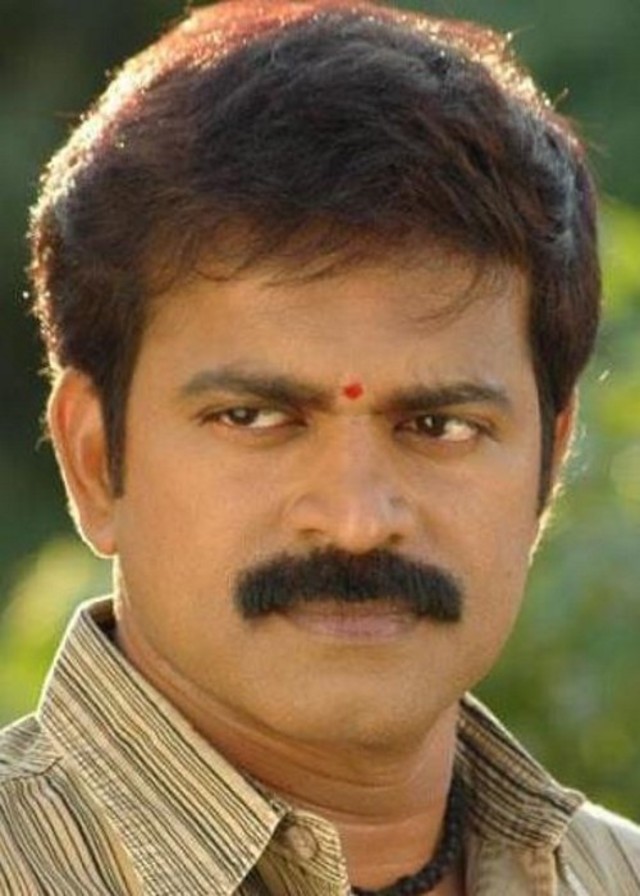 Brahmaji
 Krithi Shetty
 Venkatesh
 Meena
Meena Kajal Aggarwal
 Nithya Menen
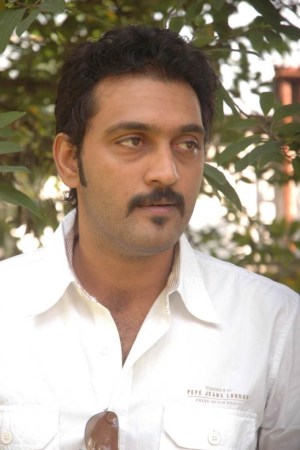 Ajay
Ajay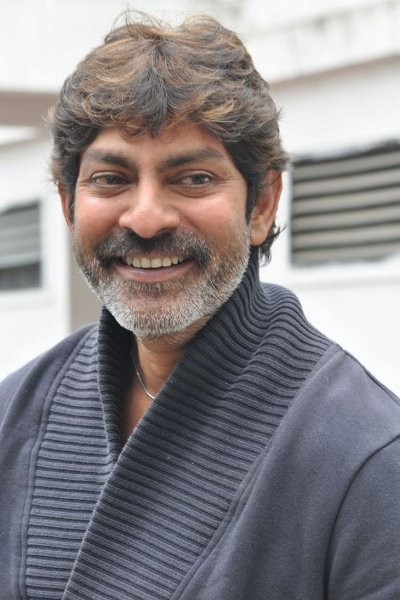 Jagapathi Babu
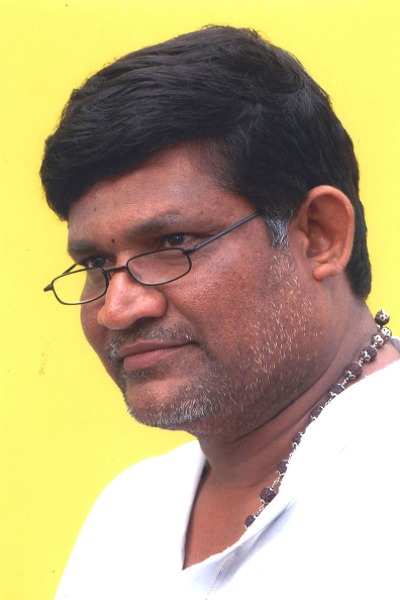 Tanikella Bharani
 Swati Reddy