
Ravi Teja & Banerjee Movies Together List — 2 Films
Complete Movies List & Collaboration History
Last updated: 2026-07-12 · Data sources: Wikipedia, TMDB
Ravi Teja and Banerjee appeared together in 2 Telugu films between 2002 and 2003. Their highest-rated collaboration was Ee Abbai Chala Manchodu (2003 — 6.5/10). Films span Avunu Valliddaru Ista Paddaru (2002) through Ee Abbai Chala Manchodu (2003).
The Ravi Teja & Banerjee partnership
From Avunu Valliddaru Ista Paddaru (2002) to Ee Abbai Chala Manchodu (2003). The ran closed with Ee Abbai Chala Manchodu in 2003. It started with Avunu Valliddaru Ista Paddaru (2002).
2 films across 1 decade
- Ee Abbai Chala Manchodu
- Avunu Valliddaru Ista Paddaru
The partnership in numbers
Partnership Pattern
2 films across 1 years represents consistent collaboration.
Language Distribution
Linguistic diversity: 1 language, with Telugu being their primary medium.
Where each was in their career
After Ee Abbai Chala Manchodu, Ravi Teja kept going for 47 more films; Banerjee stepped back.
Before Avunu Valliddaru Ista Paddaru, Ravi Teja had starred in 10 films, including Chanti (1992) and Tirumala Tirupathi Venkatesha (2000).
After Ee Abbai Chala Manchodu, Ravi Teja went on to appear in 47 more films, including Changure Bangaruraja (2023) and Eagle (2024).
Before Avunu Valliddaru Ista Paddaru, Banerjee had starred in 6 films, including Chitram (2000) and Azad (2000).
After Ee Abbai Chala Manchodu, Banerjee went on to appear in 14 more films, including Nenu (2004) and Mr & Mrs Sailaja Krishnamurthy (2004).
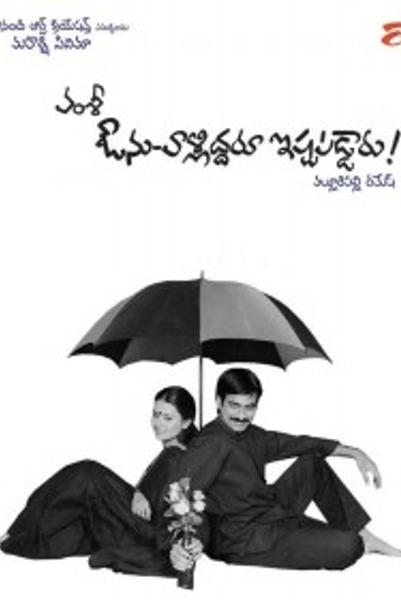
Collaboration Journey
A chronological view of Ravi Teja & Banerjee's professional partnership
Actors and musicians who worked on most of their films
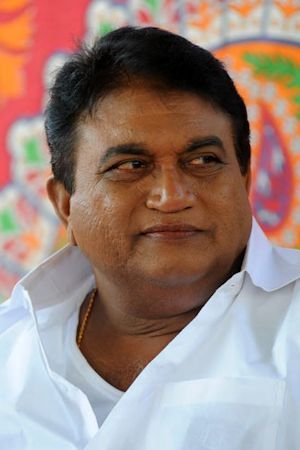
Jaya Prakash Reddy is the through-line — cast on 1 of their 2 films.




Other iconic Telugu director-actor duos
Discover other partnerships with comparable filmographies and ratings
 Aishwarya Rajesh
 Jayasudha
 Nassar
 Srikanth Iyengar
 Kajal Aggarwal
 Kelly Dorjee
 Kota Srinivasa Rao