Banerjee
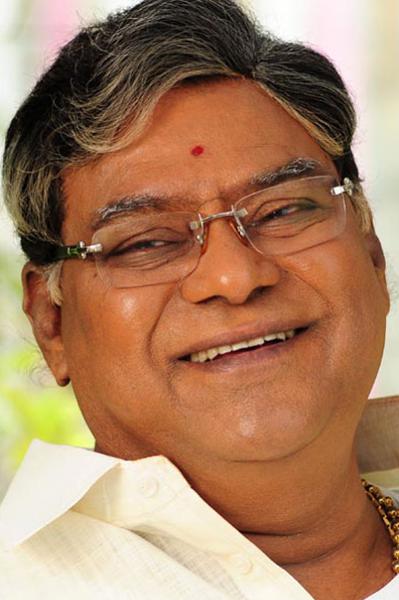
Banerjee is an Indian actor, best known for Tamil cinema. Banerjee began their career in 1993. With 30 credits to their name, Banerjee remains one of the most prolific and celebrated talents in the industry. Spanning 30+ years, Banerjee's career remains one of the longest and most celebrated in Tamil cinema.
Career Milestones
Film debut in Telugu cinema
Appeared in Chitram, a landmark Telugu romantic drama
View film →Won Andhra Pradesh State Award for Best Supporting Actor
Surpassed 300 film appearances in Telugu cinema
Defining Moments
Debut as a menacing antagonist in Terror, establishing his screen presence as a fearsome villain early in his career
Launched his reputation as a credible villain in Telugu cinema, setting the template for his antagonistic roles across 300+ films over four decades
Comedic cameo as 'Benerjee' in the lively ensemble song sequence, showcasing an unexpected comedic range
Marked a pivotal shift in his career from pure villain to comic character roles, demonstrating versatility and earning him broader audience recognition
Role as Janaki's protective uncle, providing key emotional and narrative grounding in this hit campus romance
One of his most visible supporting turns in a blockbuster film, associated with the massive success of Chitram which became a landmark Telugu youth film
View film →Banerjee by the Numbers
If you watched every Banerjee film back-to-back, you'd be at it for roughly 2 days and 12h. Most-paired with Tanikella Bharani — 10 films together.
Filmography
See all 30 credits →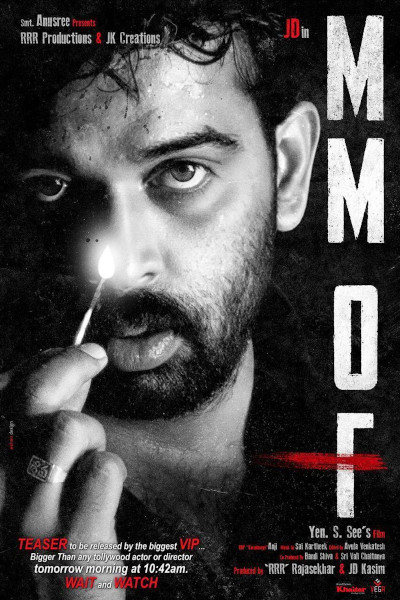








Collaboration Network
The Constellation
Top 10 most-paired collaborators. Bubble size and line thickness reflect how many films they share with Banerjee.
Career Analytics
Genre Breakdown
Language Distribution
Films by Decade
Top Co-Actors
See all →Banerjee has worked most frequently with Teja (3 films), Dasaradh (2 films), Tanikella Bharani (10 films), M. S. Narayana (9 films), and Brahmanandam (5 films).







Legacy & Influence
Banerjee is a character actor whose career in Telugu cinema, primarily during the late 1990s and early 2000s, is defined by reliable supporting performances that contributed to the narrative fabric of several notable films. While biographical details remain scarce, his filmography indicates a consistent presence in a variety of roles, from family dramas to romantic narratives. His work in films like 'Nuvvu Nenu' (2001), a significant romantic drama starring Tarun and Aarti Agarwal, and 'Bombay Priyudu' (1996) showcases his ability to integrate into ensemble casts, often providing grounding or contextual support to the main plotlines. The period of his activity coincided with a shift in Telugu cinema towards more urban-centric stories and modern production values, and actors like Banerjee played a part in this transition by embodying credible everyday characters. His performances, though not in the limelight, added depth and authenticity to the worlds these films created. The absence of major awards or widespread critical acclaim in the public record suggests a career built on professional consistency rather than standout stardom. His contribution lies in the unheralded but essential work of character actors who complete a film's social and familial landscape, ensuring narrative cohesion. His filmography, including roles in 'Subbu' (2001) and 'Sambaram' (2003), represents a steady, if low-profile, engagement with the industry during a specific era, leaving a mark through collective participation in the cinematic output of the time.