Lal Salaam(2002)
Lal Salaam is a 2002 Hindi musical action drama film directed by Gagan Vihari Borate. It stars Nandita Das, Sharad Kapoor, and Sayaji Shinde in lead roles. The story is set in a tribal village in Nagpur, India, where police brutality forces the poor to become armed rebels. Rupi, a young tribal woman, joins the rebellion while her lover Kanna, a medical student, believes in non-violence. The film is based on true stories of families and communities caught in a cycle of violence and government neglect. It was released on 3 May 2002 and has a runtime of 131 minutes. The film is notable for its raw portrayal of social injustice and its musical score with lyrics by Gulzar.
Lal Salaam (2002) OTT release date is not officially announced yet — GudVibe tracks its streaming availability daily.
Where to watch:Quick Facts
- Theatrical Release
- 1 January 2002
- Director
- Gaganvihari Borate
- Language
- Hindi
- Runtime
- 2h 11m
- Rating
- 5.6/10
Storyline
Rupi lives in a tribal village terrorized by a corrupt police inspector. She wants to fight back with weapons. Her lover Kanna is a medical student who believes in peace. Their love is torn apart as the violence escalates. Rupi joins the rebels. Kanna must choose between his beliefs and the woman he loves.
“When the system fails, the poor rise.”
Film Details
Parental Guide
Vibe & Tags
Cast & Crew



Reunion Meter
Frequent partnerships reunited for Lal Salaam
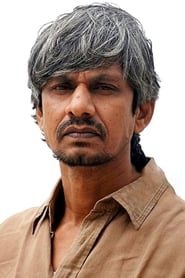
Cast reunions in this film: Vijay Raaz & Rajpal Yadav (12 films together), Sayaji Shinde & Vijay Raaz (2 films together), Sayaji Shinde & Rajpal Yadav (2 films together), Vijay Raaz & Akhilendra Mishra (2 films together), and Akhilendra Mishra & Rajpal Yadav (2 films together).

Trivia
- The film's title 'Lal Salaam' is a traditional communist greeting, hinting at its political themes.
- It was originally made in Marathi as 'Lal Salaam' before being dubbed into Hindi for wider release.
- The story is inspired by real-life conflicts involving tribal communities and land disputes in Maharashtra.
- Director Gaganvihari Borate was known for focusing on social issues in India's rural areas.
- The film blends action with musical numbers, a common style in early 2000s regional Indian cinema.
- It did not achieve major commercial success but gained attention for its subject matter.
- Some scenes were shot in Nagpur and surrounding regions to capture authentic local settings.