Hari-Bhari: Fertility(2000)
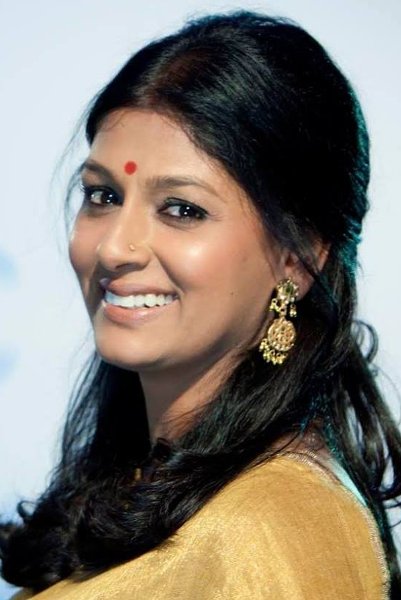
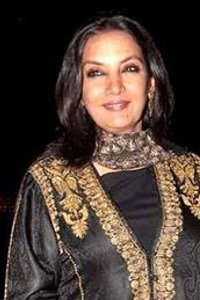
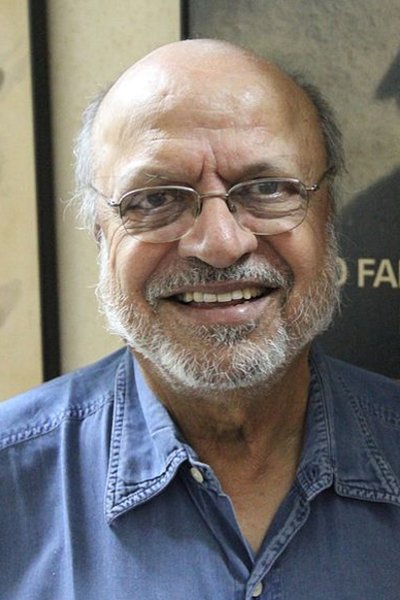
Hari-Bhari (Fertility) is a 2000 Hindi social drama film directed by Shyam Benegal. The cast includes Shabana Azmi, Rajit Kapur, Rajeshwari Sachdev, Surekha Sikri, and Nandita Das. The story follows Gazala, a middle-aged Muslim woman sent back to her parents' home by her husband for failing to bear a son. The narrative explores the lives of five women from different generations living under one roof, each grappling with societal pressure to produce male children. The film critiques patriarchal norms and advocates for women's reproductive rights. It won the National Film Award for Best Film on Family Welfare at the 47th National Film Awards. The film was released in 2000.
Hari-Bhari: Fertility (2000) OTT release date is not officially announced yet — GudVibe tracks its streaming availability daily.
Where to watch:Quick Facts
- Theatrical Release
- 1 January 2000
- Director
- Shyam Benegal
- Language
- Hindi
- Runtime
- 2h 14m
- Rating
- 4.7/10
Storyline
Gazala is thrown out by her husband because she cannot give him a son. She moves back to her mother's crowded home. There, she meets other women trapped by the same cruel rule. Together, they must find the strength to fight for their own bodies and their own lives.
“Her body, her choice.”
Film Details
Parental Guide
Vibe & Tags
Cast & Crew

Reunion Meter
Frequent partnerships reunited for Hari-Bhari: Fertility
Cast reunions in this film: Rajeshwari Sachdev & Shyam Benegal (4 films together), Shyam Benegal & Shabana Azmi (4 films together), Shyam Benegal & Surekha Sikri (3 films together), Shyam Benegal & Rajit Kapoor (3 films together), and Surekha Sikri & Rajit Kapoor (3 films together).
Trivia
- The film was part of a series of five movies funded by the National Film Development Corporation to promote family welfare.
- Shyam Benegal cast Shabana Azmi and Rajit Kapur, who had worked together in his earlier film 'Mandi'.
- It was shot on location in Hyderabad to capture the authentic atmosphere of the old city.
- The title 'Hari-Bhari' translates to 'fertile' or 'pregnant', directly linking to the film's central theme.
- The film's script was developed from real-life research and interviews about family planning in rural India.
- It had a limited theatrical release, focusing more on television broadcasts and film festival screenings.
- The music was composed by Vanraj Bhatia, a frequent collaborator with Shyam Benegal on many films.