Janata Ki Adalat(1994)
Janata Ki Adalat is a 1994 Indian Hindi-language action film directed by T L V Prasad and produced by K. C. Bokadia. The film stars Mithun Chakraborty, Gautami, Madhoo, and Sadashiv Amrapurkar. It follows Shankar, a common man whose lover commits suicide after a corrupt minister attempts to rape her. Shankar is framed for murder and sent to prison, from which he escapes to seek justice. The film is a remake of the Tamil film Mutrugai and was the first collaboration between director Prasad and actor Mithun Chakraborty. It was a box office success and led to a record-breaking 30-film partnership between the duo. The soundtrack was composed by Bappi Lahiri. The film was released on 29 July 1994.
Janata Ki Adalat (1994) OTT release date is not officially announced yet — GudVibe tracks its streaming availability daily.
Where to watch:Quick Facts
- Theatrical Release
- 1 January 1994
- Director
- T.L.V. Prasad
- Language
- Hindi
- Runtime
- 2h 5m
- Rating
- 4.1/10
Storyline
Shankar's world shatters when his lover Malathi kills herself after a powerful minister tries to rape her. When the minister frames Shankar for murder and throws him in jail, Shankar escapes. Now a fugitive, he must fight the corrupt system and bring the minister to justice.
“When the system fails, the people judge.”
Film Details
Parental Guide
Vibe & Tags
Cast & Crew
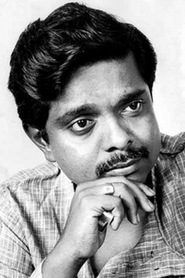
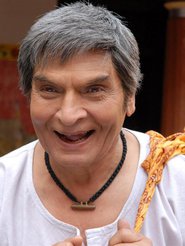
Reunion Meter
Frequent partnerships reunited for Janata Ki Adalat
Cast reunions in this film: Sadashiv Amrapurkar & Asrani (6 films together), Asrani & Laxmikant Berde (5 films together), and Asrani & T.L.V. Prasad (2 films together).
Trivia
- The film was originally titled 'Policewala Gunda' but was changed to 'Janta Ki Adalat' before release.
- It was one of the few 1990s action films shot extensively in rural Uttar Pradesh to show village settings.
- Director T.L.V. Prasad was primarily known for Telugu cinema, and this was a rare Hindi directorial venture.
- The movie featured veteran actor Kader Khan in a supporting role, adding comic relief to the serious plot.
- Despite its action theme, the soundtrack included romantic songs composed by Bappi Lahari.
- The film's climax court scene was inspired by public interest dramas popular in 1970s Indian cinema.
- It had a limited theatrical run and is now mostly remembered as a typical mid-90s vigilante drama.