T.L.V. Prasad
T.L.V. Prasad is an Indian director, best known for Tamil cinema. T.L.V. Prasad began their career in 1992. With 30 credits to their name, T.L.V. Prasad remains one of the most prolific and celebrated talents in the industry. T.L.V. Prasad is one of the most closely watched talents of their generation, with a rapidly growing body of acclaimed work.
Career Milestones
Film debut
View film →Highest rated: Janata Ki Adalat (6.5)
View film →T.L.V. Prasad by the Numbers
If you watched every T.L.V. Prasad film back-to-back, you'd be at it for roughly 23 hours. Most-paired with Mithun Chakraborty — 9 films together.
Filmography
See all 30 credits →Collaboration Network
The Constellation
Top 9 most-paired collaborators. Bubble size and line thickness reflect how many films they share with T.L.V. Prasad.
Career Analytics
Language Distribution
Films by Decade
Top Co-Actors
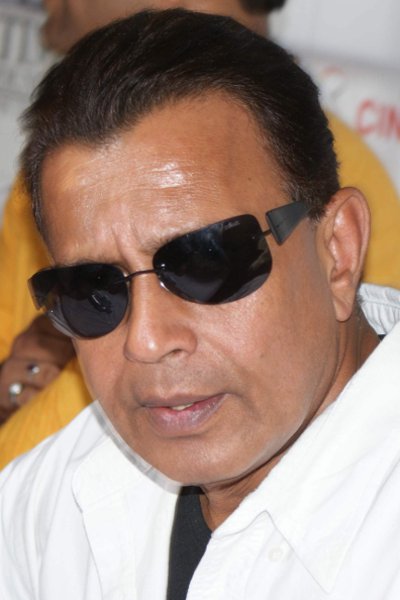
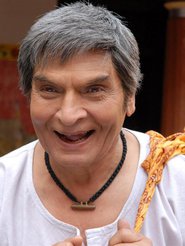
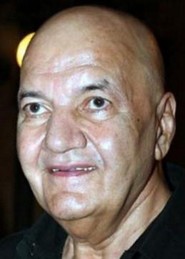
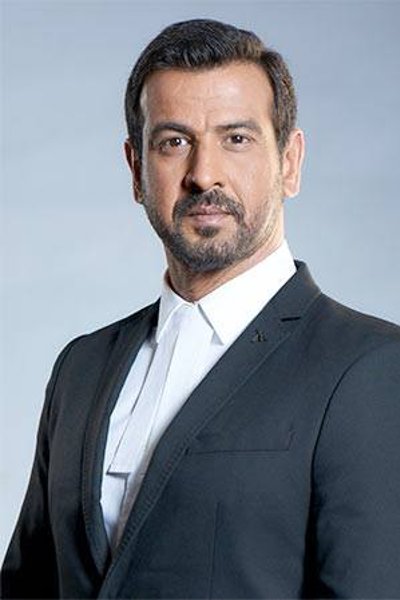
See all →T.L.V. Prasad has worked most frequently with Mithun Chakraborty (9 films), Asrani (3 films), Rambha (2 films), Kiran Kumar (2 films), and Puneet Issar (2 films).



Legacy & Influence
T.L.V. Prasad is a respected film producer and distributor in the Telugu film industry, primarily known for his long-standing association with the production house Vyjayanthi Movies, founded by his father, the legendary producer C. Ashwini Dutt. His career trajectory is defined by a behind-the-scenes role in steering major commercial and critical successes. Prasad's significant contribution lies in his strategic involvement in the production and distribution of landmark films that shaped Telugu cinema in the late 1990s and 2000s. He is notably credited as a producer on the blockbuster film "Indra" (2002), starring Chiranjeevi, which was a major industry hit and solidified the star's action-hero persona. His work with Vyjayanthi Movies also includes pivotal films like "Tagore" (2003), starring Chiranjeevi, which carried a strong social message. Prasad's influence extends to his role in facilitating large-scale, star-driven commercial cinema that balanced mass appeal with technical quality. He has been instrumental in maintaining the production house's reputation for high-budget, high-value entertainers. While not a public-facing figure, his legacy is intertwined with the business acumen and production prowess of Vyjayanthi Movies, contributing to the economic and narrative expansion of Telugu cinema during a key period of its growth.