Neela Malargal(1979)
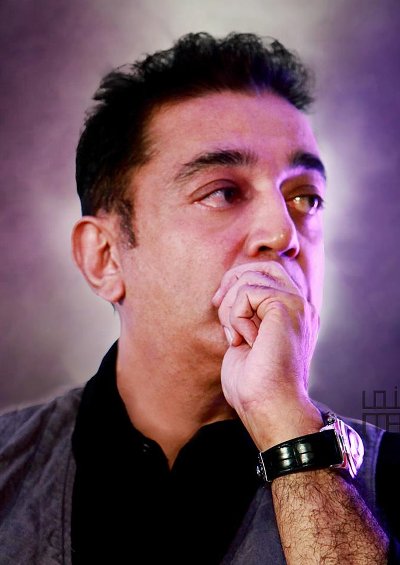
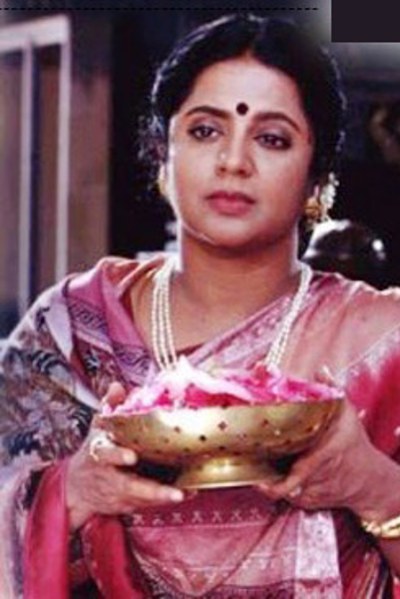
Neela Malargal is a 1979 Indian Tamil-language drama film directed by Krishnan–Panju. The film stars Kamal Haasan, Sridevi, and Major Sundarrajan in lead roles. It is a remake of the 1972 Hindi film Anuraag. The story follows a blind girl named Meena and a poor orphan boy named Kannan who sacrifices his eyes for her. The film explores themes of love, sacrifice, and poverty. The music was composed by M. S. Viswanathan with lyrics by Kannadasan. The song 'Pesum Manimottu Rojakkal' is based on the Mary Poppins tune 'Chim Chim Cher-ee'. The film released on 19 October 1979 and became a commercial success. It was praised for its emotional storytelling and strong performances.
Quick Facts
- Streaming on
- YouTube, Amazon Prime Video, Plex
- Theatrical Release
- 31 December 1979
- Director
- Krishnan-Panju
- Language
- Tamil
- Runtime
- 2h 6m
- Rating
- 7.5/10
Storyline
A blind girl named Meena dreams of seeing blue flowers. A poor orphan boy named Kannan becomes her best friend. He works hard to save money for her eye surgery. But Kannan falls terminally ill. He decides to pledge his eyes to Meena after his death. Will Meena ever see the blue flowers?
“A sacrifice that gives sight to love”
Film Details
Parental Guide
Where to Watch
Vibe & Tags
Cast & Crew




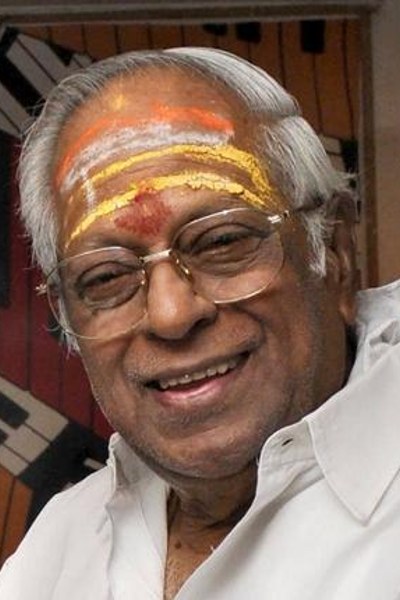
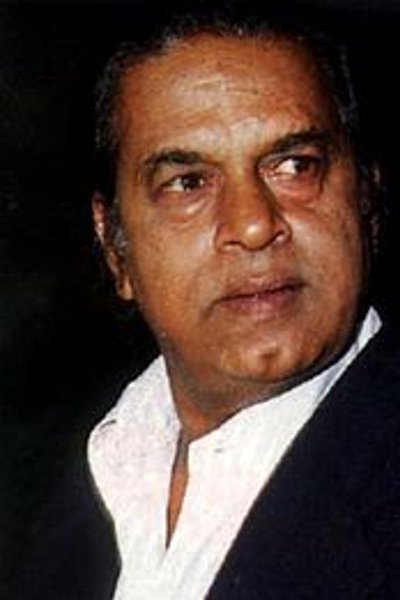
Reunion Meter
Frequent partnerships reunited for Neela Malargal
Cast reunions in this film: Nagesh & M. S. Viswanathan (108 films together), K. R. Vijaya & M. S. Viswanathan (69 films together), M. S. Viswanathan & Thengai Srinivasan (57 films together), M. S. Viswanathan & Major Sundarrajan (54 films together), Nagesh & Major Sundarrajan (43 films together), and K. R. Vijaya & Nagesh (38 films together).
Trivia
- The film was based on a real-life eye donation pledge by a young boy in Tamil Nadu.
- It was one of the few Tamil films of the era to have a child protagonist drive the entire emotional plot.
- The movie's title 'Neela Malargal' translates to 'Blue Flowers', symbolising tenderness and rarity.
- The young actor playing Kannan, Master Sridhar, was praised for his natural performance despite limited film experience.
- The film's release coincided with increased public awareness about eye donation in the state.
- Director R. Krishnan was primarily known for comedies, making this serious drama a notable shift in his work.
- The soundtrack by M.S. Viswanathan featured a lullaby that became popular on radio programs at the time.