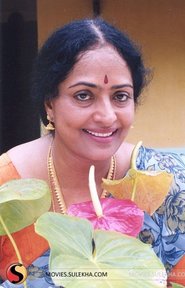
K. R. Vijaya
K. R. Vijaya is an Indian actor, best known for Tamil cinema. K. R. Vijaya began their career in 1970. With over 180 credits to their name, K. R. Vijaya remains one of the most prolific and celebrated talents in the industry. K. R. Vijaya's influence on Tamil cinema is generational — their work continues to define the standard for the industry.
Biography
K. R. Vijaya is a popular Indian actress who has performed in Telugu, Tamil and Malayalam language films. She started her career in 1960s. She has acted for more than four decades in South Indian cinema. K. R. Vijaya has worked with almost all the stalwarts of South Indian cinema, and played a variety of roles.K. R. Vijaya is a popular Indian actress who has performed in Telugu, Tamil and Malayalam language films. She started her career in 1960s. She has acted for more than four decades in South Indian cinema. K. R. Vijaya has worked with almost all the stalwarts of South Indian cinema, and played a variety of roles.Early life
Career Milestones
Film debut in Tamil cinema with Karpagam, directed by K. S. Gopalakrishnan
Awarded the title 'Punnagai Arasi' (Queen of Smile) in Tiruchirapalli for her iconic on-screen smile
Celebrated 100th film milestone, directed again by debut director K. S. Gopalakrishnan
Became the first South Indian actress to own a private jet, reflecting her commercial success
Accumulated a filmography of nearly 500 films across Tamil, Telugu, Malayalam and Kannada industries over six decades
View film →Defining Moments
Debut performance as the lead in Karpagam, which launched her into stardom after director K. S. Gopalakrishnan cast her — kickstarting a career spanning 500+ films
Her breakthrough debut that established her as a leading actress in Tamil cinema and began her four-decade career
Performance in Saraswathi Sabadham, widely cited as one of her finest films and a landmark in her filmography
Considered among her best work and frequently referenced as a high point of 1960s Tamil mythological cinema
100th film milestone celebrated with MGR, Sivaji Ganesan, and Rajkumar in attendance — a rare honor reflecting her stature across all South Indian film industries
Symbolized her crossover appeal and industry-wide respect; few actresses of her era achieved this milestone with such celebrated recognition
Portrayal of Goddess Shakti, earning her the enduring title 'Deiva Mugam' (Divine Face of Cinema) and making her the go-to actress for mythological divine roles throughout the 1970s–80s
Cemented her iconic status as the definitive face of Hindu goddesses in Tamil cinema; no other actress of her era was as associated with divine roles
View film →Playing Arunthathi in this mythological film, continuing her legacy as the foremost actress for devotional and goddess roles in Tamil cinema
One of her most celebrated mythological portrayals, reinforcing her 'Deiva Mugam' identity in the late career phase
View film →K. R. Vijaya by the Numbers
If you watched every K. R. Vijaya film back-to-back, you'd be at it for roughly 16 days and 22h. Most-paired with Ilayaraja — 15 films together.
Filmography
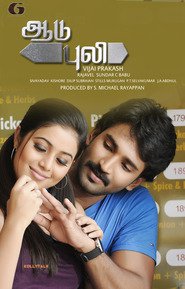
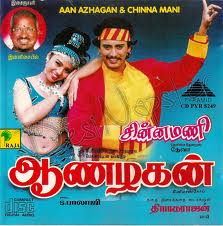
See all 180 credits →
Collaboration Network
The Constellation
Top 10 most-paired collaborators. Bubble size and line thickness reflect how many films they share with K. R. Vijaya.
Career Analytics
Genre Breakdown
Language Distribution
Films by Decade
Top Co-Actors
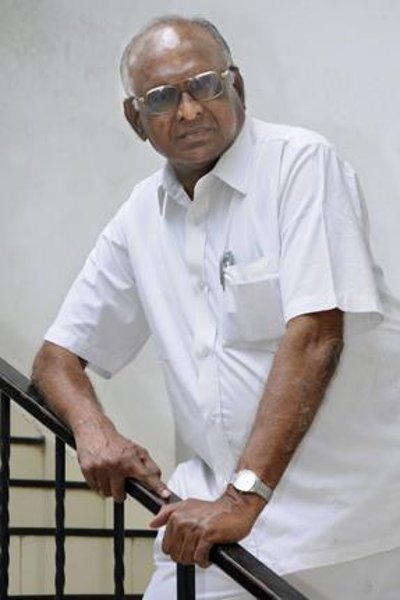
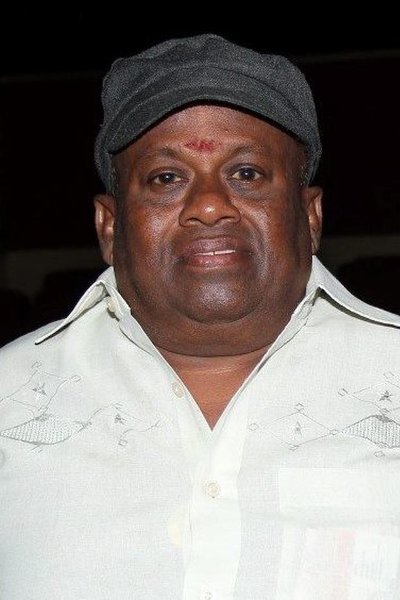
See all →K. R. Vijaya has worked most frequently with K. Shankar (7 films), S. Jagadeesan (5 films), S. A. Chandrasekhar (2 films), S. P. Muthuraman (2 films), and K. S. Gopalakrishnan (2 films).

Did You Know?
K. R. Vijaya is a recipient of the Kalaimamani award from the Government of Tamil Nadu.
She made her acting debut in the 1960 Tamil film 'Kalathur Kannamma' as a child artist.
She is known for her frequent collaborations with actors like Sivaji Ganesan and M. G. Ramachandran.
She has acted in over 200 films across Tamil, Telugu, and Malayalam languages.
She was a popular leading lady in Tamil and Telugu cinema during the 1960s and 1970s.
Legacy & Influence
K. R. Vijaya is a celebrated and enduring figure in South Indian cinema, renowned for her remarkable versatility and longevity across Telugu, Tamil, and Malayalam film industries. Beginning her career in the early 1960s, she quickly established herself as a leading actress, known for her expressive performances, grace, and ability to portray a wide spectrum of roles, from romantic leads to strong character parts. Her career trajectory spans over four decades, a testament to her adaptability and sustained popularity. She worked with virtually every major star and director of her era, becoming a constant and beloved presence on screen. Vijaya's contribution lies in her consistent delivery of memorable performances that resonated with audiences across linguistic and cultural boundaries. She excelled in both dramatic and light-hearted roles, often bringing depth and dignity to her characters. Films like 'Server Sundaram' (1964) showcased her early talent, while her work in later years demonstrated her seamless transition into mature and motherly roles, maintaining her relevance across generations. Her ability to connect with the audience through nuanced acting made her a trusted and respected artist. While specific awards are omitted here, her legacy is firmly cemented by her vast filmography and the affection she commands from fans. She is regarded as a pioneering actress who, through her dedication and craft, helped shape the landscape of South Indian cinema during its golden era and beyond, inspiring subsequent generations of performers.