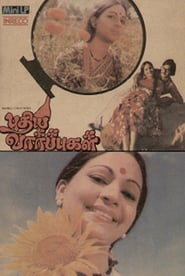
Puthiya Vaarpugal(1979)
Puthiya Vaarpugal is a 1979 Indian Tamil-language romantic drama film directed by Bharathiraja. The film stars K. Bhagyaraj as Shanmugamani and Rati Agnihotri as Jothi, with G. Srinivasan, Goundamani, K. K. Soundar, and Usharani in supporting roles. The story follows a village school teacher who falls in love with a local woman, but their relationship is threatened by a lecherous village chief who uses his power to destroy them. The film marked the acting debut of Rati Agnihotri and the first lead role for Bhagyaraj. It was also Bharathiraja's debut as a producer. The film was a commercial success and won two Tamil Nadu State Film Awards, including Second Best Film. It was released on 14 April 1979 during the Puthandu festival.
Quick Facts
- Streaming on
- YouTube, Amazon Prime Video
- Theatrical Release
- 31 December 1979
- Director
- Bharathiraja
- Language
- Tamil
- Runtime
- 2h 23m
- Rating
- 7.5/10
Storyline
A kind school teacher named Shanmugamani arrives in a village and falls in love with Jothi, a beautiful local girl. But the evil village chief wants Jothi for himself. He uses lies, murder, and force to break their love and destroy their lives.
“Love that defies a tyrant.”
Film Details
Parental Guide
Where to Watch
Vibe & Tags
Cast & Crew







Reunion Meter
Frequent partnerships reunited for Puthiya Vaarpugal
Cast reunions in this film: Goundamani & Ilayaraja (75 films together), Ilayaraja & Manorama (60 films together), Ilayaraja & Janagaraj (59 films together), Goundamani & Manorama (40 films together), Bharathiraja & Ilayaraja (21 films together), and Janagaraj & Manorama (18 films together).

Trivia
- The film was shot in the village of Kumbakonam, using real locations and local people as extras.
- It was one of the earliest films to feature the popular actor-director K. Bhagyaraj in a supporting role.
- The movie's title translates to 'New Breezes', symbolising the fresh social changes it depicted.
- A subplot involving a character named 'Kannamma' was praised for its sensitive portrayal of widow remarriage.
- The film's success helped establish the 'village realism' genre popularised by director Bharathiraja.
- Composer Ilaiyaraaja's soundtrack for the film included folk-inspired songs that became very popular.
- The story was partly inspired by contemporary social issues in rural Tamil Nadu during the late 1970s.