Dikkatra Parvathi(1974)
'Dikkatra Parvathi' (1974) is a Tamil drama film directed by Singeetam Srinivasa Rao. It stars Lakshmi as Parvathi and Srikanth as Karuppan. The story follows a young wife whose husband becomes an alcoholic after taking a loan. The film was shot without makeup in Thorapalli, Rajaji's birthplace. Court scenes used real lawyers and a real judge. It won the National Film Award for Best Feature Film in Tamil. Lakshmi's performance earned her the Filmfare Award for Best Actress. The film was funded 80% by the Film Finance Corporation. When producers could not repay the loan, Chief Minister M. G. Ramachandran bought the film for the state.
Dikkatra Parvathi (1974) OTT release date is not officially announced yet — GudVibe tracks its streaming availability daily.
Where to watch:Quick Facts
- Theatrical Release
- 31 December 1974
- Director
- Singeetham Srinivasa Rao
- Language
- Tamil
- Rating
- 6.5/10
Storyline
A happy young bride named Parvathi marries a loving man named Karuppan. He borrows money to buy a cart but starts drinking alcohol. His addiction destroys their family. Parvathi must fight to survive as her husband loses everything.
“One drink. One debt. One broken family.”
Film Details
Parental Guide
Vibe & Tags
Cast & Crew
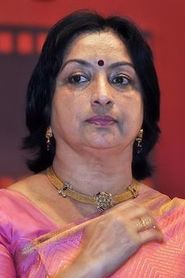
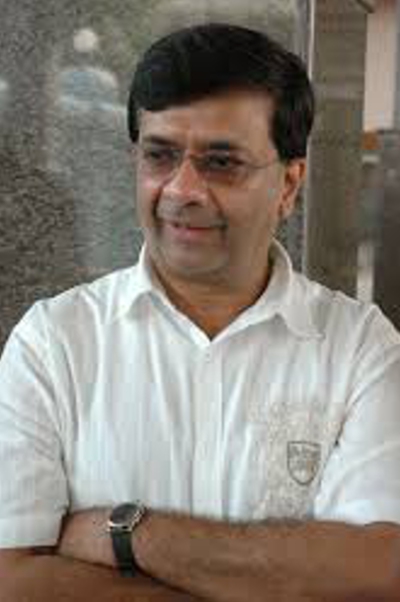
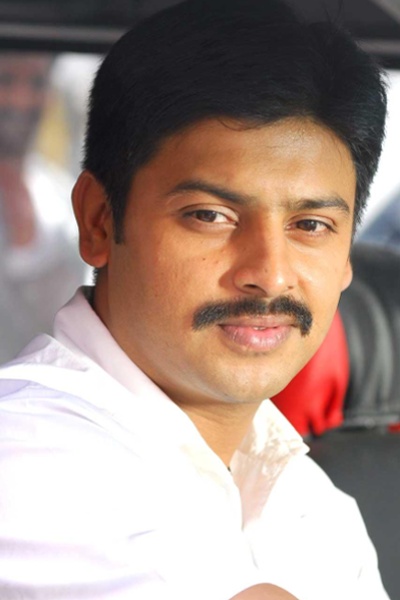
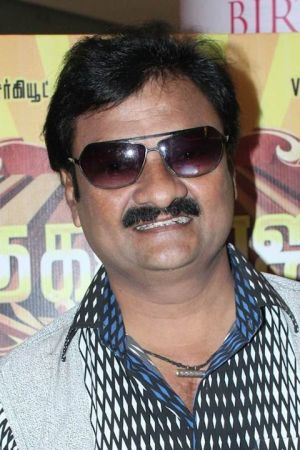
Reunion Meter
Frequent partnerships reunited for Dikkatra Parvathi
Cast reunions in this film: Lakshmi & Poornam Viswanathan (6 films together), Srikanth & Lakshmi (5 films together), Srikanth & Sreekanth (5 films together), and Lakshmi & Sreekanth (5 films together).
Trivia
- The film was originally titled 'Dikkatra Parvathi' but was later re-released in some areas as 'Parvathi'.
- This was one of the few Tamil films where actress Lakshmi played the titular role of a village woman fighting against alcoholism.
- Director Singeetam Srinivasa Rao was known for comedies, making this serious social drama a notable shift in his filmography.
- The movie's climax, involving the cart and the toddy shop, became a widely discussed and remembered scene in Tamil cinema of the 1970s.
- The film's music was composed by M.S. Viswanathan, but it did not have as many songs as was typical for Tamil films at that time.
- It is considered an early example of a Tamil film using a realistic, village setting to drive a strong social message against alcohol.
- Actor Sreekanth, who played the husband, was primarily known for villain roles, making his casting as a sympathetic lead unusual.