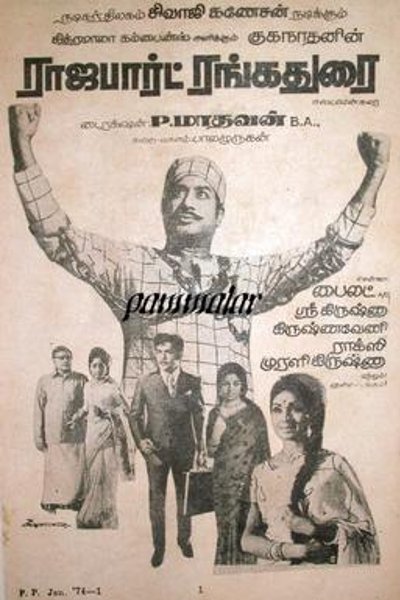
Rajapart Rangadurai(1973)
Rajapart Rangadurai is a 1973 Indian Tamil-language drama film directed by P. Madhavan. The film stars Sivaji Ganesan as the titular character, alongside Ushanandini, M. N. Nambiar, and V. K. Ramasamy. The story follows a poor theatre actor who struggles to support his family and preserve his art form as cinema gains popularity. The film explores themes of class conflict, family sacrifice, and the decline of traditional theatre. It was praised by critics for its performances, music, and social commentary. A digitally restored version was re-released in 2017 and ran for over 100 days in theatres.
Quick Facts
- Streaming on
- Amazon Prime Video
- Theatrical Release
- 21 December 1973
- Director
- P. Madhavan
- Language
- Tamil
- Runtime
- 2h 30m 0
Storyline
Rangadurai is a brilliant but poor theatre actor. He dreams of using his brother’s wedding dowry to marry off his sister. But his brother betrays him by faking his wealth to marry a rich girl. Rangadurai is forced into a marriage he did not plan, and his world collapses when cinema kills the theatre business.
“The king on stage, the pauper in life.”
Film Details
Parental Guide
Where to Watch
Vibe & Tags
Cast & Crew
Reunion Meter
Frequent partnerships reunited for Rajapart Rangadurai
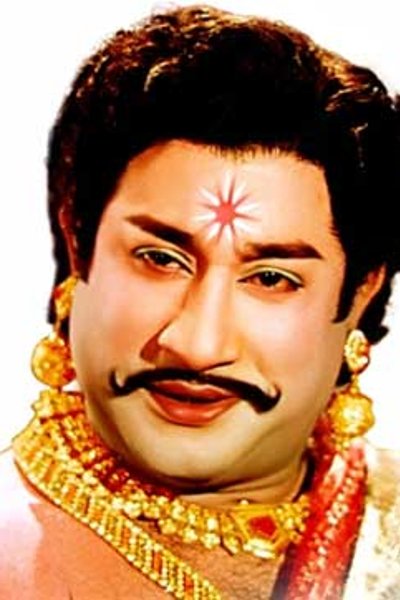
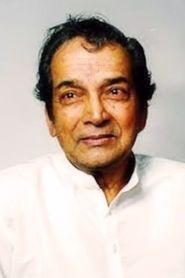
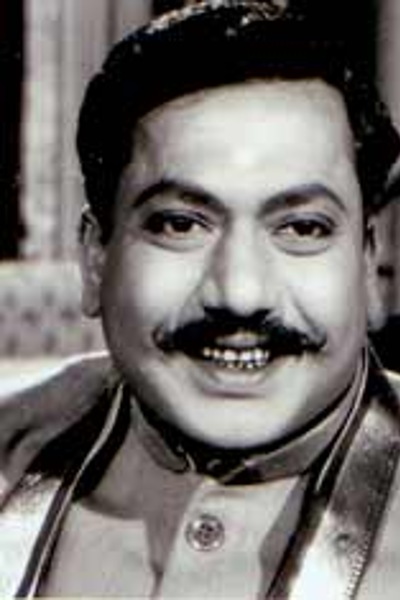
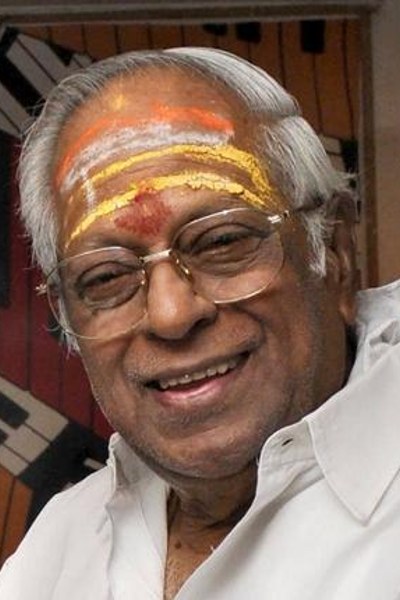
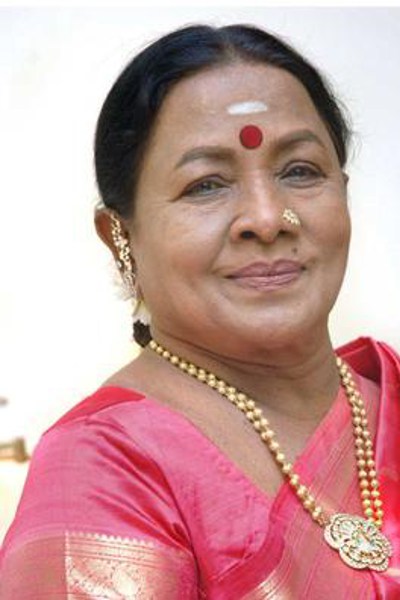
Cast reunions in this film: M. S. Viswanathan & Sivaji Ganesan (110 films together), M. S. Viswanathan & Manorama (63 films together), M. N. Nambiar & M. S. Viswanathan (46 films together), M. S. Viswanathan & V. K. Ramasamy (40 films together), Sivaji Ganesan & Manorama (32 films together), and Sivaji Ganesan & V. K. Ramasamy (31 films together).

Trivia
- The film's title character was inspired by a real-life drama troupe owner from Madurai.
- This was one of the few films where actor Muthuraman played a character with significant grey shades.
- Director P. Madhavan often used the film to critique the commercial pressures faced by traditional theatre.
- The movie's climax scene involving the theatre group was shot at a famous auditorium in Chennai.
- A subplot involving a play within the movie mirrored contemporary political themes of the early 1970s.
- The music was composed by M.S. Viswanathan, but the songs did not achieve the same popularity as his other works that year.
- The film is noted for its authentic depiction of backstage life in Tamil theatre during that period.