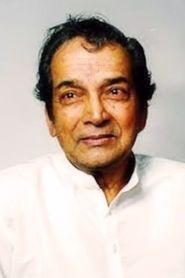
M. N. Nambiar
M. N. Nambiar is an Indian actor, best known for Tamil cinema. M. N. Nambiar began their career in 1969 and has been a prominent figure in the industry for over 57 years. With over 150 credits to their name, M. N. Nambiar remains one of the most prolific and celebrated talents in the industry. M. N. Nambiar's influence on Tamil cinema is generational — their work continues to define the standard for the industry.
- Born
- Age
- 107
Biography
M. N. Nambiar (born Manamboor Nambiar Nambiar, 7 March 1919 – 19 November 2008) was a prolific Tamil cinema actor widely regarded as one of the greatest villains in the history of Kollywood, appearing in over 1,000 films across Tamil, Telugu, Malayalam, and Hindi. He is best known for iconic antagonist roles opposite MGR in Aayirathil Oruvan and alongside Sivaji Ganesan in Ambikapathi, and also appeared in later films such as Thooral Ninnu Pochchu (1982), Thirisoolam (1979), and Baba (2002). Though he began his career as a hero, Nambiar became so closely associated with villainy that his name became synonymous with the role in Tamil cinema, earning him the sobriquet 'Villain Chakravarthy'. He received the Tamil Nadu State Award for his contributions to Tamil cinema and remained active on screen for over six decades until his death in Chennai in 2008.
Career Milestones
Film debut in Bhaktha Ramadoss, initially cast as a comedian before transitioning to villain roles
Breakthrough as Tamil cinema's defining villain across landmark films cementing his iconic status
Played 11 distinct roles in a single film, showcasing extraordinary versatility
Surpassed 1000 film appearances across Tamil, Telugu, Malayalam, and Hindi cinema over five decades
Final screen appearance, closing a career spanning over 70 years
View film →Defining Moments
Playing 11 distinct characters in a single film — an unmatched feat in Tamil cinema history that showcased his extraordinary range as a character actor early in his career.
No other Tamil actor has matched this record of playing 11 roles in one film. It cemented Nambiar's reputation as a technically versatile performer beyond just being a villain archetype.
His role as the conspiring Rajaguru — with dialogues written by M. Karunanidhi — made this film a massive hit and officially announced Nambiar as a dominant screen presence in Tamil cinema.
Widely cited as his breakthrough villain role; it launched a 50-year career as Tamil cinema's premier antagonist.
Playing MGR's adversary who transitions into his ally — a lengthy character arc that required him to sustain both menace and eventual warmth across the full runtime.
Frequently cited as one of his most memorable collaborations with MGR, demonstrating his ability to carry multi-dimensional roles in blockbuster masala films.
Portraying a lustful Zamindar who obsesses over dancer Padmini but ultimately repents and unites her with her lover — a rare villain arc showing moral redemption.
Celebrated as one of his most nuanced performances, showing his ability to portray complex antagonists with emotional depth rather than one-dimensional evil.
His villain role opposite Sivaji Ganesan — featuring his signature grimaces, scowls, and terrifying hoarse whispers — widely referenced as a masterclass in screen villainy.
The scene is specifically referenced in cinema communities as exemplifying his unique physical acting style; a YouTube clip titled 'Nambiar best Villain Acting Scene - Thirisoolam' continues to circulate among fans.
View film →M. N. Nambiar by the Numbers
If you watched every M. N. Nambiar film back-to-back, you'd be at it for roughly 12 days and 10h. Most-paired with Ilayaraja — 21 films together.
Filmography
See all 150 credits →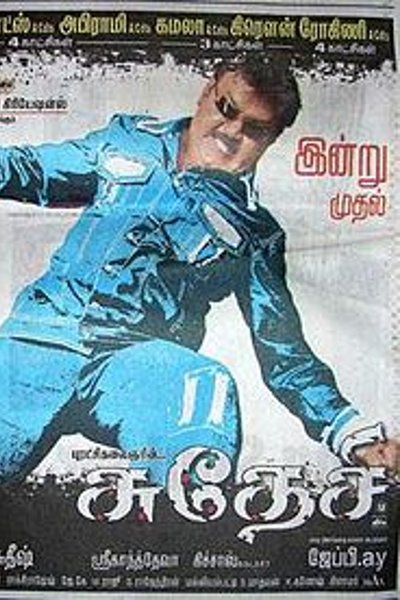


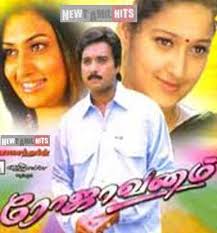
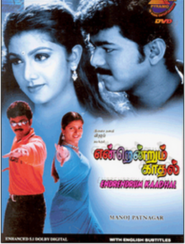

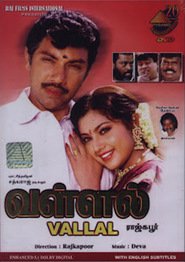
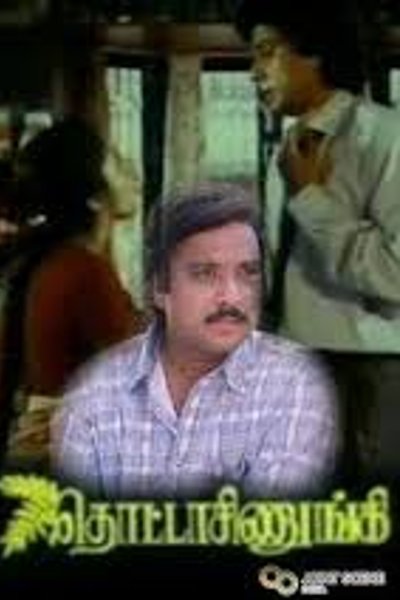
Collaboration Network
The Constellation
Top 10 most-paired collaborators. Bubble size and line thickness reflect how many films they share with M. N. Nambiar.
Career Analytics
Genre Breakdown
Language Distribution
Films by Decade
Top Co-Actors
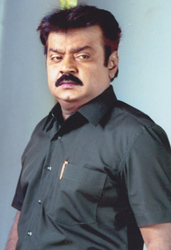
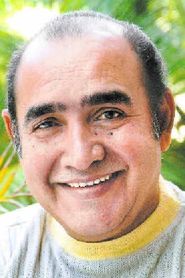
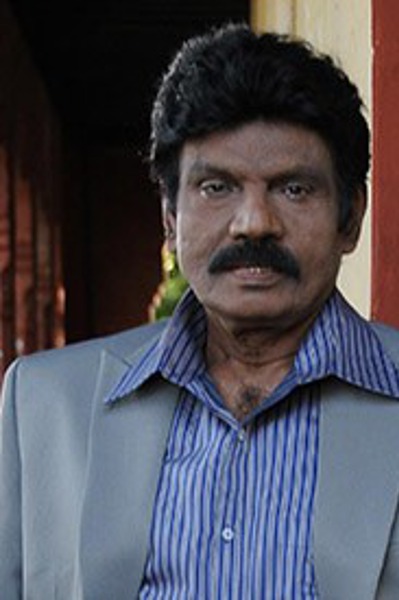
See all →M. N. Nambiar has worked most frequently with K. Shankar (5 films), R. K. Selvamani (4 films), R. Sundarrajan (2 films), P. Vasu (2 films), and Arvindraj (2 films).




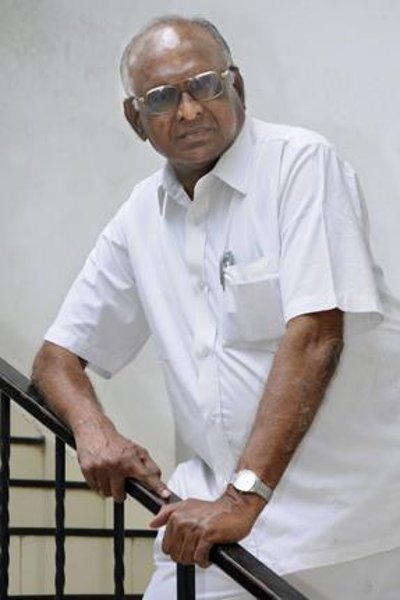

Did You Know?
M. N. Nambiar was born Manjeri Narayanan Nambiar on March 7, 1919, in Kannur, Kerala.
He was a prominent villain in Tamil cinema for nearly five decades, appearing in over 1,000 films.
He was also a spiritual leader and was known as 'Nambiar Swami' or 'Maha Guruswami' by his followers.
He pioneered a movement to take pilgrims to the Sabarimala temple.
He received the Kalaimamani award from the Government of Tamil Nadu in 1972.
Legacy & Influence
M. N. Nambiar stands as a colossus in the history of Tamil cinema, defining the archetype of the screen villain for nearly five decades. His career, beginning in the late 1930s, spanned the evolution of the industry from its early theatrical influences to the technicolor era of the late 20th century. Nambiar did not merely play antagonists; he crafted them with a unique blend of regal menace, sharp dialogue delivery, and a commanding screen presence that made him a perfect foil for every major hero of his time, from M. G. Ramachandran and Sivaji Ganesan to Rajinikanth. His villains were often sophisticated, powerful figures—zamindars, ruthless businessmen, or cunning pirates—whose conflict with the hero was as much a battle of wits and principles as it was physical. This elevated the narrative stakes and helped define the classic Tamil film dichotomy of good versus evil. Beyond his villainy, he occasionally showcased his versatility in character roles, notably as the compassionate father in films like 'Deiva Magan'. His contribution is foundational; he established a grammar for villainy that combined dialogue, demeanor, and a distinct sartorial style, influencing generations of actors who followed. His voice, diction, and ability to hold the screen with sheer authority became a benchmark. Furthermore, his parallel life as a spiritual guide and organizer of pilgrimages added a unique layer to his public persona, endearing him to fans beyond the cinema hall. Nambiar's legacy is that of a pillar who supported the edifice of countless classic films, providing the necessary darkness against which the hero's light shone brighter, thereby becoming an indispensable part of Tamil cinema's golden age storytelling.