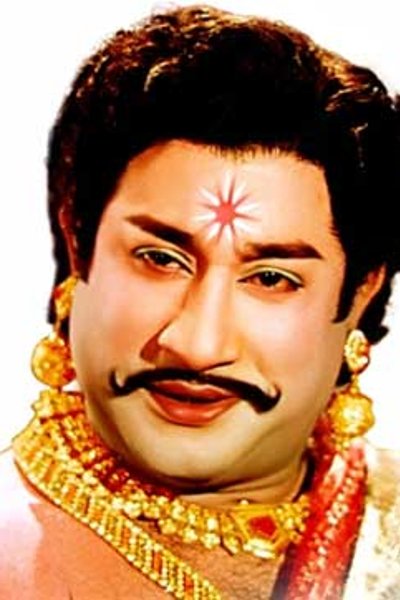
Sivaji Ganesan
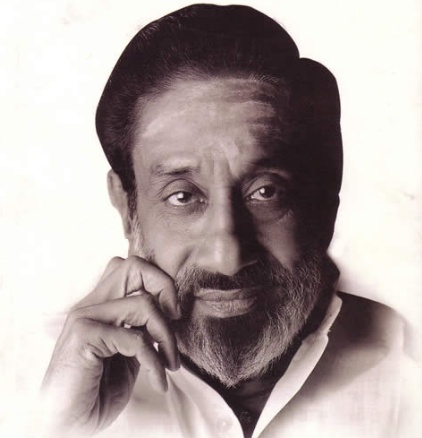
Sivaji Ganesan is an Indian actor, best known for Tamil cinema. Sivaji Ganesan began their career in 1960 and has been a prominent figure in the industry for over 66 years. With over 240 credits to their name and an average audience rating of 7.6, Sivaji Ganesan remains one of the most prolific and celebrated talents in the industry. Sivaji Ganesan's influence on Tamil cinema is generational — their work continues to define the standard for the industry.
- Born
- Age
- 97
Biography
Sivaji Ganesan (born Villupuram Chinnaiya Manrayar Ganesamoorthy) was a legendary Tamil cinema actor widely regarded as one of the greatest performers in Indian film history, earning the title Nadigar Thilagam (Pride of Actors) for his unmatched range across 288 films in Tamil, Telugu, Kannada, Malayalam, and Hindi over five decades. He appeared in landmark films including Thevar Magan (1992), where he played the patriarch Periya Thevar opposite Kamal Haasan, earning a Special Jury Award at the 40th National Film Awards (1993), and received the Dadasaheb Phalke Award in 1997, India's highest cinematic honor. In 1960, he became the first Indian actor to win Best Actor at an international film festival — the Afro-Asian Film Festival in Cairo — and was later made a Chevalier of France's Ordre des Arts et des Lettres. He was honoured with the Padma Shri (1976) and Padma Bhushan (1984), cementing a legacy that influenced generations of Tamil actors.
Iconic Roles
Veerapandiya Kattabomman
Sivaji Ganesan's portrayal of the legendary Polygar chieftain who defied British colonial rule became one of Tamil cinema's most celebrated performances, his fiery dialogue delivery in the confrontation with Collector Jackson defining the role for generations.
Parasakthi
His debut role as a war veteran who returns home to a family in ruins; the electrifying court scene monologue written by Karunanidhi established Sivaji as a phenomenon and launched a new era of dialogue-driven Tamil cinema.
Navarathri
In his 100th film, Sivaji played nine different characters each embodying one of the nine classical Indian emotional states (navarasas), showcasing his unmatched versatility and earning him the title Nadigar Thilagam (Pride of Actors).
Thiruvilayadal
His dual portrayal of Lord Shiva and the Saivite saint in this devotional-mythological film is considered among the finest acting performances in Tamil cinema, blending divinity with humor and gravity.
Thevar Magan
His towering performance as the aging Mukkulathor clan patriarch opposite Kamal Haasan earned him widespread critical acclaim and introduced his legacy to a new generation of Tamil cinema audiences.
Defining Moments
Iconic courtroom monologue and fiery dialogue delivery in a breakthrough performance that ran for 175+ days and established him as a major force in Tamil cinema
Sivaji's explosive debut in a Karunanidhi-penned script made him a household name overnight. His powerful delivery of political and emotional dialogue set the template for Tamil cinematic acting for decades.
Portrayal of the rebel chieftain defying British rule, delivering passionate speeches against colonial oppression
Won Best Actor at the Afro-Asian Film Festival in Cairo (1960), making Sivaji the first Indian actor to receive international recognition of this kind. Considered one of the greatest historical performances in Indian cinema.
Portrayal of V. O. Chidambaram Pillai, the nationalist shipping magnate who challenged British maritime monopoly, delivering stirring patriotic speeches
Showcased Sivaji's mastery of historical and tragic roles and his ability to make Tamil language itself feel heroic. Widely referenced as evidence of his unique gift for elevating real historical figures into cinematic legends.
Playing nine distinct characters each embodying one of the navarasas (nine emotions of classical Indian arts) within a single film
Demonstrated unmatched versatility and earned him the nickname 'Nadigar Thilagam' (Pride of Actors). The performance drew comparisons to Marlon Brando and cemented his status as Indian cinema's foremost method actor.
Commanding portrayal of Periya Thevar, a feudal clan patriarch whose brief but towering screen presence anchors the entire narrative
Won Special Jury Award at the 40th National Film Awards. Proved that even in a supporting role alongside Kamal Haasan, Sivaji's presence was magnetic and indispensable — a late-career triumph widely cited as one of his finest hours.
View film →Sivaji Ganesan by the Numbers
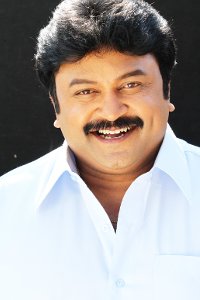
If you watched every Sivaji Ganesan film back-to-back, you'd be at it for roughly 22 days and 15h. Most-paired with Prabhu — 17 films together.
Filmography
See all 240 credits →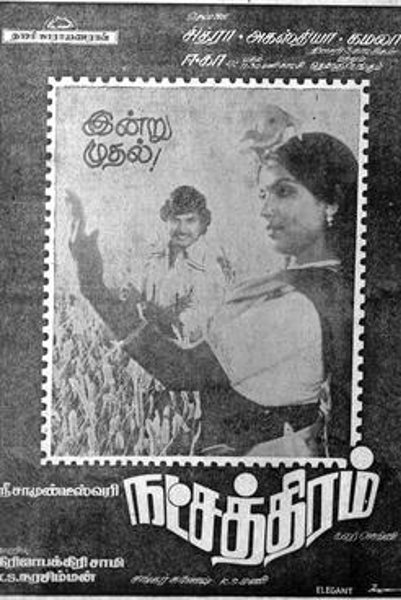
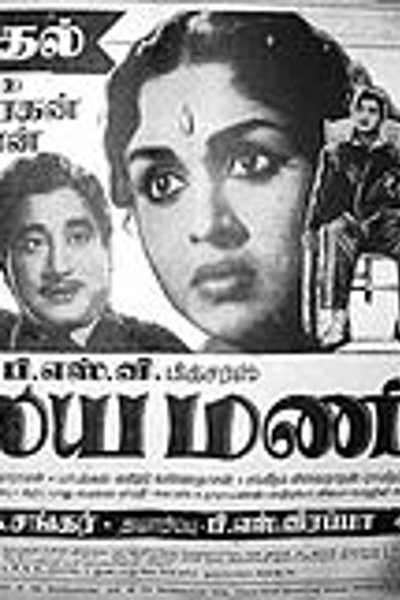
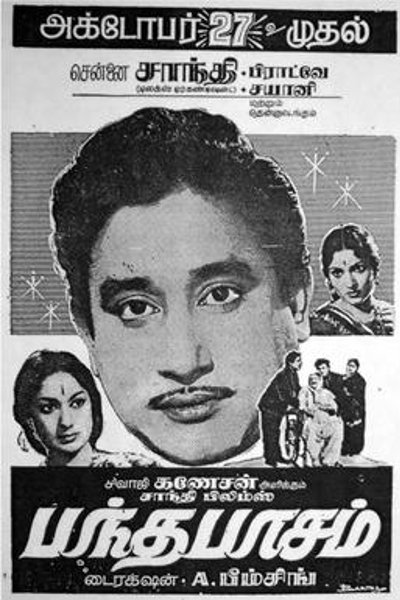
Collaboration Network
The Constellation
Top 10 most-paired collaborators. Bubble size and line thickness reflect how many films they share with Sivaji Ganesan.
Career Analytics
Genre Breakdown
Language Distribution
Films by Decade
Top Co-Actors
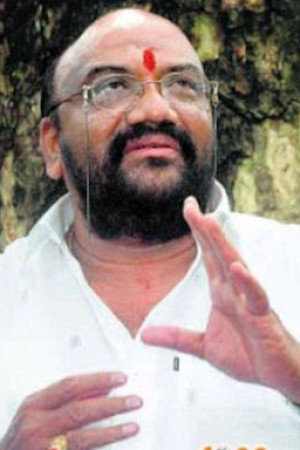
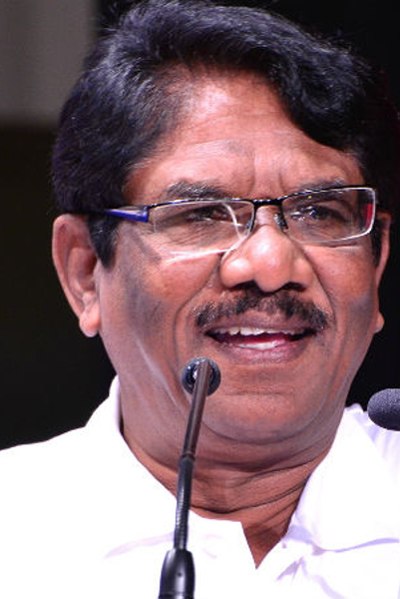
See all →Sivaji Ganesan has worked most frequently with R. Krishnamoorthy (6 films), K. Vijayan (5 films), Santhana Bharathi (3 films), K. Shankar (3 films), and R. Krishnamurthy (3 films).

Did You Know?
Sivaji Ganesan was the first Indian actor to receive the Chevalier award from the French government in 1995.
He was the first Indian actor to win the Best Actor award at an international film festival (Afro-Asian Film Festival in Cairo) for his performance in 'Veerapandiya Kattabomman' (1959).
He was known for his mastery of 'Navarasas' (the nine emotions in classical Indian performance arts).
He made his film debut in the 1952 Tamil film 'Parasakthi', which was a major commercial success and launched his career.
He was awarded the Padma Shri by the Government of India in 1966 and the Dadasaheb Phalke Award in 1996.
Photos
See all →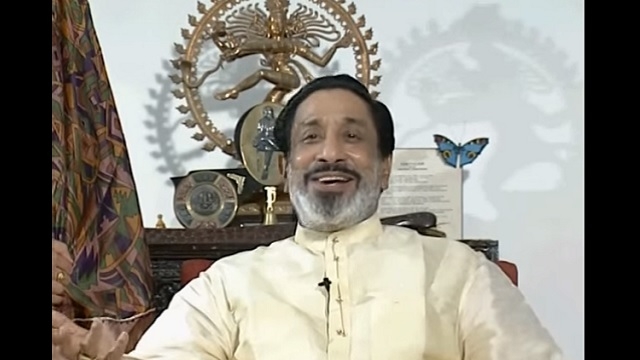
Family
Child
Prabhu
News & Stories
Tamil film fraternity wants Sivaji statue in Marina
12/8/2017
65 years of legacy: 16th memorial anniversary of Chevalier Sivaji Ganesan
21/7/2017
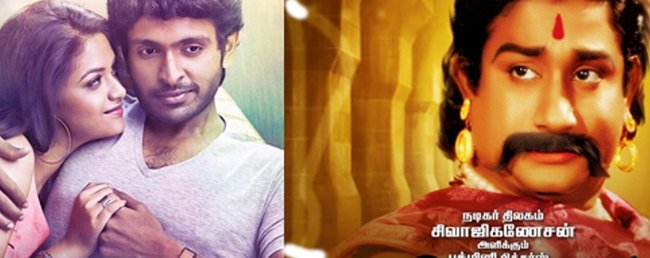
Sivaji Ganesan Vs Vikram Prabhu on July 31
23/7/2015
Legacy & Influence
Sivaji Ganesan was a monumental figure in Indian cinema, particularly in Tamil film, whose career spanned over four decades and more than 300 films. He is widely regarded as one of the greatest and most influential actors in the history of Indian cinema. His primary contribution was elevating the art of screen acting through his unparalleled versatility and profound dedication to his craft. Ganesan was a master of method acting long before the term became popular in India, immersing himself completely in every role, whether it was a mythological deity, a historical king, a tragic hero, or a common man. His background in classical Tamil theatre (TKS Brothers' troupe) provided him with a formidable foundation in dialogue delivery, expressive gestures, and emotional depth, which he seamlessly translated to the cinematic medium. He pioneered a style of performance that combined theatrical grandeur with nuanced realism, setting a new benchmark for acting that influenced generations of actors across India. Ganesan's career trajectory saw him dominate Tamil cinema from the 1950s through the 1970s, with landmark films in diverse genres. He was instrumental in proving that a film could succeed on the strength of an actor's performance alone. His portrayals in films like 'Parasakthi' (which launched his film career with a powerful social drama), 'Veerapandiya Kattabomman', 'Karnan', and 'Thiruvilaiyadal' are etched in public memory for their intensity and authenticity. He brought immense dignity and recognition to the film profession, earning the respect of critics, peers, and the public alike. Internationally, he was among the first Indian actors to gain recognition, serving as a jury member at the Cannes Film Festival in 1962. His legacy is that of an artist who treated cinema as a serious art form, expanding its emotional and narrative possibilities and leaving an indelible mark on its artistic standards.