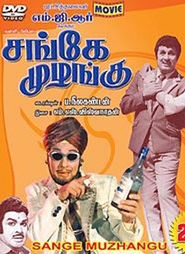
Sange Muzhangu(1972)
Sange Muzhangu is a 1972 Indian Tamil-language action thriller film directed by P. Neelakantan. The film stars M. G. Ramachandran, Lakshmi, S. A. Ashokan, and Cho Ramaswamy. The story follows Murugan, an innocent man framed for murder, who assumes the identity of a deceased IPS officer to clear his name. The film is a remake of the Bengali film Jiban Mrityu. A young Kamal Haasan worked as a dance assistant on this project. The music was composed by M. S. Viswanathan with lyrics by Kannadasan. The film was released on February 4, 1972.
Sange Muzhangu (1972) OTT release date is not officially announced yet — GudVibe tracks its streaming availability daily.
Where to watch:Quick Facts
- Theatrical Release
- 3 February 1972
- Director
- P. Neelakantan
- Language
- Tamil
- Runtime
- 2h 36m 0
Storyline
An innocent man named Murugan is framed for murder and becomes a fugitive. To survive, he takes the identity of a dead man and becomes an IPS officer. Now he must investigate his own case without revealing who he really is.
“Truth will always win.”
Film Details
Parental Guide
Vibe & Tags
Cast & Crew
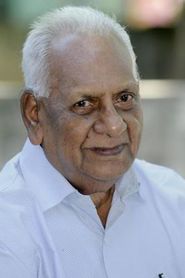
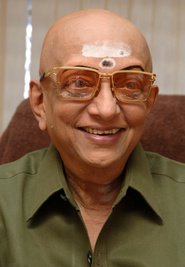
Reunion Meter
Frequent partnerships reunited for Sange Muzhangu
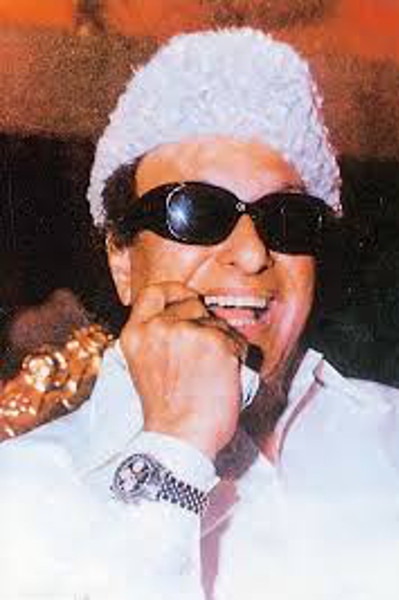
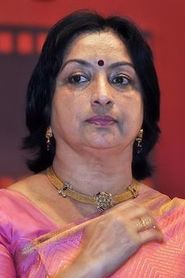
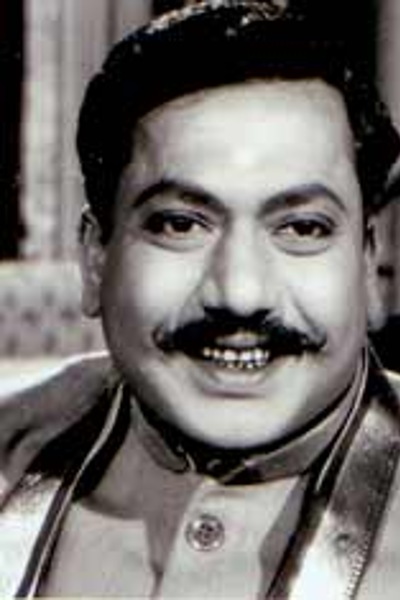
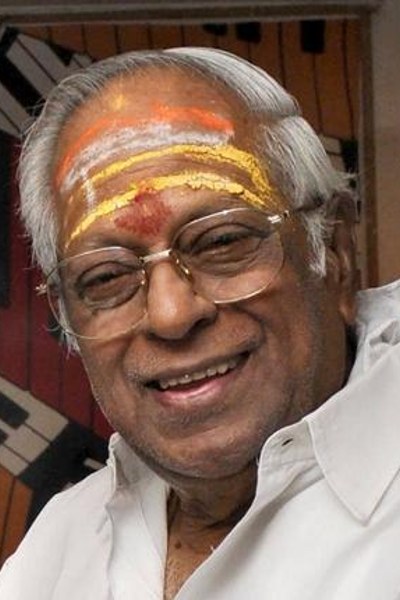
Cast reunions in this film: M. S. Viswanathan & V. K. Ramasamy (40 films together), M. S. Viswanathan & M. G. Ramachandran (37 films together), Lakshmi & M. S. Viswanathan (36 films together), V. S. Raghavan & M. S. Viswanathan (16 films together), M. G. Ramachandran & P. Neelakantan (16 films together), and M. S. Viswanathan & Cho (15 films together).

Trivia
- The film's title 'Sange Muzhangu' refers to the conch bangles worn by the female lead, a traditional symbol of a married woman in Tamil culture.
- This was one of the few films where actor Muthuraman played a character wrongly accused of murder, a departure from his usual romantic or comedy roles.
- The movie features a notable cameo by the popular comedian Nagesh, who provided comic relief in an otherwise serious dramatic plot.
- Director P. Neelakantan was known for social dramas, and this film continued his focus on themes of family betrayal and justice.
- The soundtrack by composer M. S. Viswanathan included a hit song 'Avalukenna' sung by T. M. Soundararajan and P. Susheela.
- Actress Jayalalithaa was initially considered for the female lead, but the role eventually went to Lakshmi.
- The film's climax, set in a courtroom, was a common narrative device in Tamil cinema of the early 1970s to resolve the central conflict.